 1-800-656-4211




Blog
Why Blueberries Are the Small Fruit with Big Health Perks

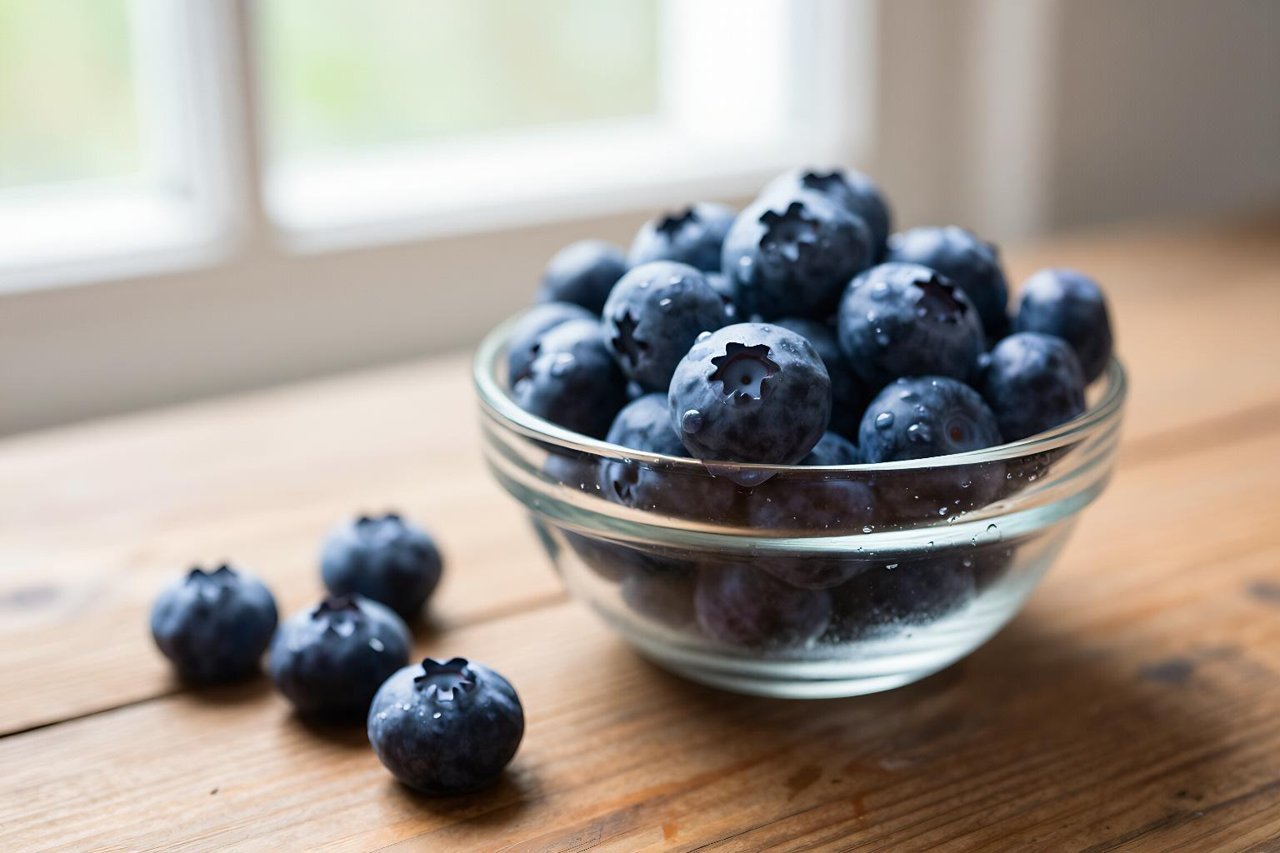
There’s a reason blueberries get called a superfood, but here’s the thing: they actually live up to the hype. A single cup of fresh blueberries gives you about 84 calories, 3.6 grams of fibre, and a serious hit of vitamin C and vitamin K. More importantly, those tiny blue spheres contain a class of antioxidants called anthocyanins – the pigments that give them their deep blue colour – and they’ve been linked to some genuinely impressive health outcomes. This isn’t a marketing gimmick. The benefits of blueberries for health go far beyond the phrase ‘good for you’. Let’s look at what the research actually says and how you can easily make them part of your day.
Why Anthocyanins Make Blueberries Special
Anthocyanins don’t just make blueberries pretty. They’re powerful flavonoids that fight oxidative stress and inflammation in the body. Testing shows blueberries have one of the highest antioxidant capacities of all common fruits, far outpacing bananas, apples and even strawberries. This antioxidant load is why researchers keep connecting blueberries to healthier ageing and a lower risk of chronic disease.
Your Heart Will Thank You
Heart disease is still the world’s leading killer, yet something as simple as a daily handful of berries can move the needle. Several long-term observational studies have found that people who regularly eat blueberries have a significantly lower risk of heart attacks and a slower rate of arterial stiffness. One randomised trial published in the American Journal of Clinical Nutrition gave participants a daily 150g portion of blueberries and saw their vascular function improve within six months. Even cardiologists are starting to swap vague dietary advice for a simple prescription: eat more blueberries. If you want the granular detail, our science-backed rundown on why you should eat them every day covers the full heart protection story.
Brain Power, Memories and Mental Clarity
One of the most exciting areas of berry research is cognition. In a landmark study from the University of Cincinnati, older adults with early memory decline drank a blueberry concentrate every day for 12 weeks. By the end, they scored significantly better on word recall and had fewer symptoms of mental fatigue. Follow-up studies have linked berry consumption to slower cognitive ageing, and some researchers think anthocyanins help protect neurons from toxic protein build-up. We dug deeper into that connection in our article on blueberry benefits for heart health and brain power, but the takeaway is simple: a cup of blueberries today might keep your future self sharper.
Blueberries and Blood Sugar: A Rare Sweet Treat
If you’ve ever been warned to avoid fruit because of sugar, listen closely. Blueberries are relatively low on the glycaemic index, which means they don’t cause the same blood sugar rollercoaster as bananas or grapes. A full cup contains roughly 15 grams of sugar plus almost 4 grams of fibre, so the body absorbs it slowly. Some studies even suggest regular blueberry consumption can improve insulin sensitivity in as little as six weeks. That said, what you add to your berries matters. If you’re blending them into a smoothie, extra bananas and juice can undo the benefit – there’s research suggesting the type and ripeness of bananas in a smoothie can mess with how your body handles the natural sugars. You can read the surprising banana-smoothie connection if you want to avoid that trap.
Gut Health and Better Digestion
The average adult doesn’t get enough dietary fibre, and blueberries are a satisfying way to close that gap. Their fibre feeds the beneficial bacteria that live in your colon, which produce short-chain fatty acids and lower inflammation. One study found that eating blueberries daily boosted the population of Bifidobacterium in the gut and reduced intestinal permeability, the so-called leaky gut marker. Because a healthy gut influences your immune system, mood and even joint pain, this benefit alone makes blueberries worth eating.
Easy Ways to Eat More Blueberries
All this science means nothing if you don’t actually get the fruit onto your plate. The good news? Blueberries are effortless. A bowl of frozen blueberries in the freezer is like having a healthy convenience food on hand. You don’t need a complex recipe.
- Scatter fresh blueberries over porridge, whole-grain pancakes or vanilla yoghurt for a no-cook breakfast upgrade.
- Blend frozen blueberries into a smoothie with a handful of spinach, a quarter of an avocado and unsweetened almond milk. Skip the bananas if you’re watching the sugar load.
- Toss them into salads – they go especially well with walnuts, goat cheese and a light balsamic dressing.
- Warm a cup of frozen berries in the microwave for 30 seconds, then spoon over Greek yoghurt with a sprinkle of cinnamon for dessert that tastes like berry pie without the crust.
- Snack on them straight from a bowl, like nature’s candy.
If you’re trying to cut down on processed treats, swapping a bag of chips or a chocolate bar for a handful of blueberries and almonds is a good first step. Combatting cravings takes more than swapping one snack for another, but berries fit perfectly into a food plan built around whole ingredients. For more snack ideas that keep hunger in check, have a look at our list of healthy snacks for weight loss and food cravings.
Most of the positive research uses between one and two cups per day, but even half a cup regularly makes a difference. Fresh, frozen and wild blueberries all pack the same protective anthocyanins, so you can stock up no matter the season. When they’re on sale, buy extra bags and keep them in the freezer – you’ll always have a health boost just a few minutes away.
