 1-800-656-4211




Blog
Vitamin C Supplements: What Actually Works (and What’s Just Hype)

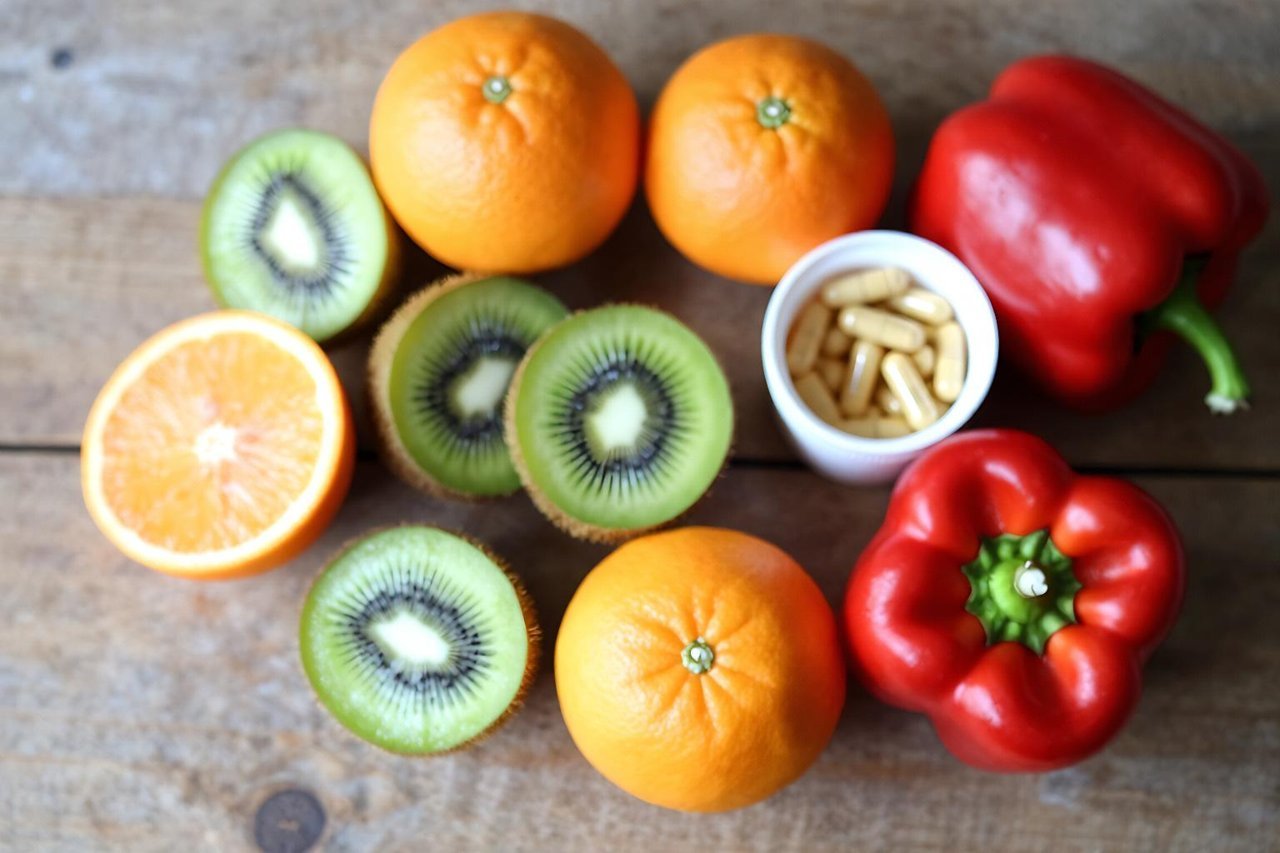
Vitamin C is one of the most talked-about nutrients, and for good reason. It keeps your skin sturdy, helps with wound healing, and plays a role in over 1,500 biological reactions. Walk into any pharmacy and you’ll see shelves stacked with powders, capsules, and fizzy tabs promising to boost immunity and banish colds. But how many of those claims hold up? And are you actually one of the people who needs a supplement, or are you just flushing money down the drain?
What Vitamin C Actually Does in Your Body
Vitamin C is an essential nutrient, meaning your body can’t make it on its own. It works as an antioxidant, neutralising free radicals that can damage cells. It’s also a cofactor for collagen synthesis, so without it, your skin, tendons, and blood vessels become fragile. In fact, severe deficiency causes scurvy, a condition that made sailors’ gums bleed until someone figured out citrus fruits helped.
The recommended daily allowance (RDA) is fairly modest: 75 mg for women and 90 mg for men. That’s less than a single orange. Yet millions of people pop 1,000 mg capsules like candy. Is that necessary? Maybe not, but there are nuances.
Do You Really Need a Vitamin C Supplement?
Your diet matters more than you think. If you eat any vegetables or fruit, you’re probably getting enough to avoid deficiency. Half a cup of red bell pepper delivers 95 mg, and a kiwifruit has about 65 mg. Even frozen peas contain a decent amount. So why do so many people still fall short?
High-risk groups include smokers, who need an extra 35 mg per day because of increased oxidative stress, and people with restricted diets. But if you’re the average person eating a varied diet, a supplement is usually unnecessary for basic health. The bigger question is whether it offers benefits beyond preventing scurvy, which is where things get interesting.
Antioxidant potential vs. the real-world evidence
Test-tube studies show that vitamin C can quench free radicals and reduce oxidative damage. But when researchers ran large-scale trials on healthy adults, supplements didn’t significantly reduce cardiovascular disease or cancer risk. That doesn’t mean it’s useless, just that the stories you see on social media often exaggerate the evidence. Keep that in mind when you read about “megadosing” to cure everything from COVID to chronic fatigue.
The Different Forms of Vitamin C Supplements
Not all vitamin C is created equal. The most common form is ascorbic acid, which is cheap and well absorbed, but can cause stomach upset in high doses. Sodium ascorbate and calcium ascorbate are buffered versions that are gentler on the gut. Then there’s liposomal vitamin C, where the nutrient is encased in fat molecules to theoretically improve absorption.
Marketing loves to push liposomal formulas as “superior,” but the research is mixed. One small study showed liposomal C raised blood levels more than plain ascorbic acid, but other trials found no difference. Unless you have a sensitive stomach or malabsorption issues, plain ascorbic acid is perfectly fine. Just like with vitamin D3, the form you choose matters less than whether you actually take it consistently.
How Much Vitamin C Should You Take?
The tolerable upper intake level (UL) for adults is 2,000 mg per day. But that doesn’t mean you should aim for it. Your body can only absorb a limited amount at a time. A study from the National Institutes of Health found that absorption rates drop sharply above 500 mg, and the rest gets excreted in urine. So mega-sizing your morning smoothie isn’t a smart investment.
For general health, sticking to the RDA is enough. If you’re fighting off a cold or feeling run down, some research suggests 200 mg daily might reduce the duration of illness by about 8% in adults. That’s not a miracle, but it’s something. If you choose to supplement, a daily dose between 100 and 400 mg is a reasonable sweet spot. As we saw with vitamin D, more isn’t automatically better, and there can be real downsides to overdoing it.
Who Might Benefit Most from Supplementing?
Even if the average person doesn’t need a daily dose, certain groups can get real value from a supplement.
- Smokers and passive smokers: They face higher oxidative burdens and depleted vitamin C stores.
- Athletes in heavy training: Intense exercise triggers temporary inflammation, and some studies show vitamin C may support recovery, though the effects are modest.
- Older adults: Ageing can reduce absorption, and many older people skimp on fruits and vegetables.
- People with digestive conditions: Conditions like Crohn’s disease or ulcerative colitis can impair nutrient absorption.
- Anyone eating a chronically low-sugar, low-fruit diet: If your lunch is mostly bread and cheese, a supplement can fill the gap.
If you’re also thinking about adding supplements for energy, it’s worth learning the real story about vitamin B12, because it’s often misunderstood and rarely necessary for healthy people with a balanced diet.
Natural Sources vs. Pills: What’s Better?
Whole foods still have an edge over isolated vitamin C. An orange doesn’t just give you ascorbic acid; it provides flavonoids, pectin, and potassium that work synergistically. For example, a 2016 study compared orange juice to a vitamin C supplement and found the juice was more effective at raising the body’s antioxidant status, even when the supplement dose was higher.
That’s not a reason to ban pills. But it does mean that a supplement should never replace your veggie intake. Think of it as a safety net, not a substitute. And while you’re thinking about diet, don’t forget that fiber is another crucial nutrient that most people miss, and supplements can help there, but again, whole foods are the gold standard.
Potential Side Effects and Interactions
Vitamin C is water-soluble, so your body generally flushes out excess. That doesn’t make it completely risk-free. High doses (over 3,000 mg a day) can cause diarrhoea, nausea, and stomach cramps. More concerning is the link to kidney stones. When you take huge amounts of vitamin C, it is metabolised into oxalate, which can bind with calcium to form stones. People with a history of kidney stones should avoid high-dose supplements.
There’s also an interaction with iron absorption. Vitamin C enhances iron uptake from plant foods, which sounds great, but in people with hemochromatosis (iron overload), this can be dangerous. Check with your doctor if you have any condition that affects iron levels.
Does it keep you from getting sick?
The huge myth is that vitamin C prevents colds. A 2013 Cochrane review of 29 trials with over 11,000 participants found that regular supplementation had no effect on the number of colds people caught. It might shorten the duration by a few hours, but it’s not a shield. The trick is that vitamin C needs to be taken daily for a while before you even see that effect, not just when you feel a tickle in your throat.
How to Choose a Quality Vitamin C Supplement
If you’ve decided that a supplement is right for you, don’t just grab the cheapest bottle. Look for these markers:
- Third-party testing: Look for seals from NSF, USP, or ConsumerLab. That ensures what’s on the label is actually in the pills.
- Plain ascorbic acid or a buffered form: Either works. Avoid proprietary blends with 20 different compounds if you just want vitamin C.
- No more than 500 mg per capsule: Higher doses are mostly excreted, so you’re paying for expensive urine.
- No sugar fillers: Some gummies and chewables pack 5–8 grams of sugar per serving. That’s worse than soda.
Price often correlates with marketing, not quality. A $15 bottle of plain ascorbic acid is fine. The $60 “liposomal complex” isn’t necessarily better unless you have a sensitive GI tract.
A Simple Approach to Supplementing with Vitamin C
The evidence doesn’t support dramatic health claims, but vitamin C is still essential. Your safest bet is to get it from food first. Eat a red pepper, a papaya, or a handful of strawberries. If you’re in one of the higher-risk groups, or you just want to cover your bases, a modest 250 mg dose is cheap and harmless. Pair it with a balanced diet rather than relying on it to undo the effects of a processed menu.
Finally, remember that supplements work as a team. Vitamin C helps your skin repair, but it also regenerates vitamin E. It supports your immune cells, but so does zinc. If you’re taking a broad multivitamin, check whether it already contains vitamin C, in which case you probably don’t need an extra one. As with any supplement, it’s wise to review the research and talk to a healthcare professional. The goal is to feel better, not to turn your morning routine into a chemistry experiment.
