 1-800-656-4211




Blog
Unflavored Protein Powder Side Effects: What’s Real and What’s Overblown

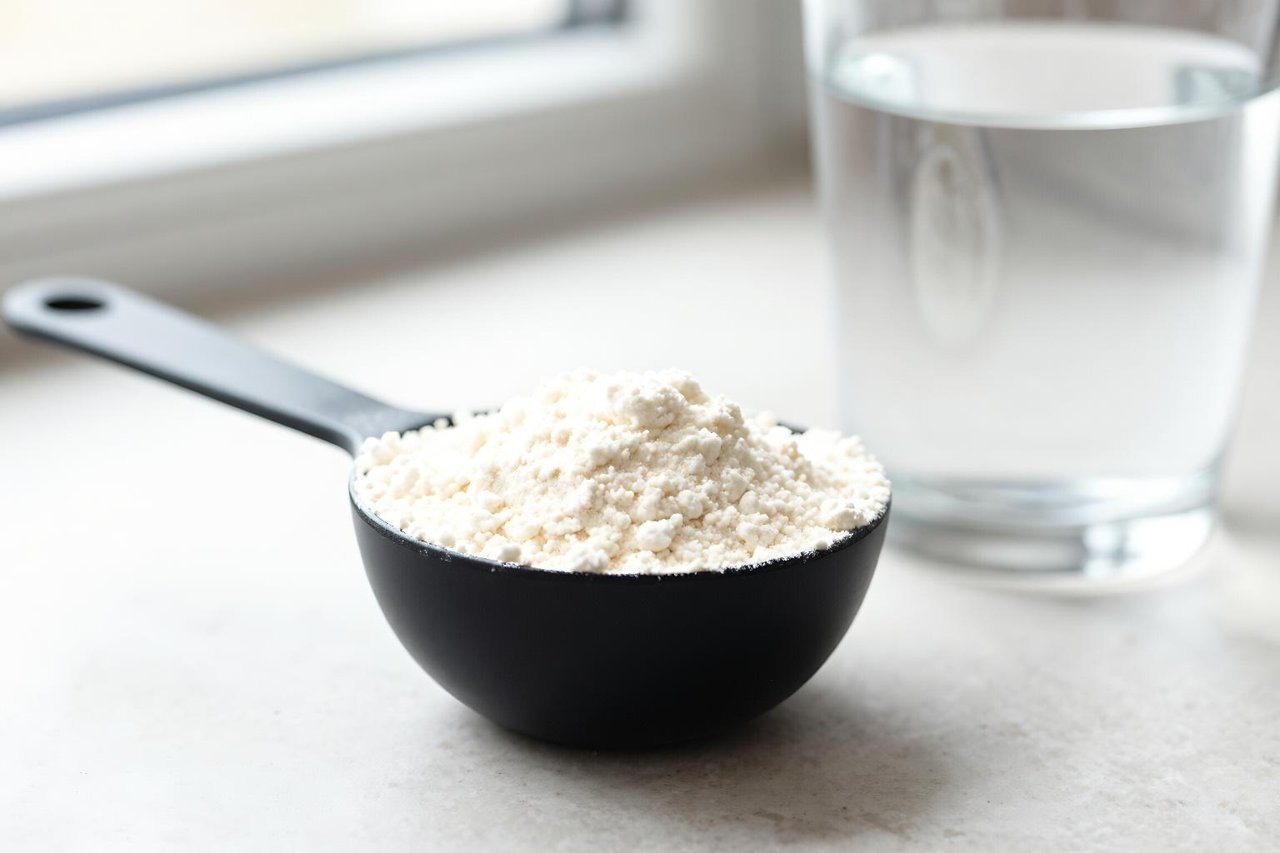
A scoop of plain whey stirred into a glass of water looks about as harmless as a supplement gets. No dyes, no sucralose, no birthday-cake flavor system. That bare-bones label is exactly why so many people switch to unflavored protein powder, usually after a flavored tub left them bloated or sprinting for the bathroom.
Plain doesn’t mean problem-free, though. The protein itself is still a concentrate of milk, peas, rice, or soy, and it can trigger the same gut, immune, and dosing issues as any other tub. Here’s what actually happens, which reactions are worth worrying about, and how to tell whether the powder or the dose is to blame.
What “Unflavored” Really Means on a Label
There’s no legal definition. In practice, an unflavored powder usually holds one or two ingredients: the protein isolate or concentrate, plus maybe sunflower or soy lecithin to help it disperse in liquid. No sweetener, no flavoring, no color.
That is a real advantage for anyone who reacts to sugar alcohols, monk fruit, or the thickeners like xanthan and guar gum that show up in flavored blends. Read the ingredient list anyway. Some unflavored products hide maltodextrin, added glycine, or taurine. Those last two are amino acids used to inflate the protein number on the label, because protein content is estimated from nitrogen and both compounds add nitrogen without adding complete protein. You pay steak prices for filler and get a powder that digests differently than the label implies.
Digestive Trouble Is the Number One Complaint
Lactose, if you’re using whey concentrate
Whey concentrate runs about 70 to 80 percent protein. The remainder is lactose, fat, and minerals, which means a 30 gram scoop can carry roughly 1 to 2 grams of lactose. For someone with genuine lactose intolerance, that’s enough to produce gas, cramping, and loose stools within 30 to 90 minutes. Whey isolate is filtered harder and typically lands under 1 percent lactose, which most sensitive people handle fine. If concentrate bothers you, the fix is usually isolate rather than giving up dairy protein entirely.
Pea and soy carry their own baggage
Pea protein isolate can retain traces of raffinose-family oligosaccharides, the same carbohydrates that make beans famous. Soy protein isolate brings remnant fiber and, in some people, a bloating response that has nothing to do with dairy. Neither is dangerous. Both explain why a plant-based powder can feel worse than whey for reasons that never show up on an allergy test.
The dose is often the real culprit
Twenty-two grams in a shaker is a snack. Sixty grams in 200 ml of water is a challenge for your small intestine. Protein that isn’t digested in the upper gut gets fermented by colonic bacteria, and fermentation produces hydrogen, methane, and hydrogen sulfide. That’s your sulfurous “protein fart” problem in one sentence. Splitting the same total into two 25 gram servings, taken with food, solves most of these cases without changing brands.
Contaminants: The Side Effect You Can’t Feel
Heavy metals don’t announce themselves. Independent testing over the past several years has repeatedly turned up measurable lead and cadmium in some plant-based protein powders, with rice-derived protein posing an extra concern because rice plants take up inorganic arsenic from soil and water. Chocolate and cocoa-flavored products tend to test highest for cadmium, since cacao plants accumulate it. Unflavored rice or brown rice protein skips the cocoa but not the arsenic question.
What to check before you buy
- Third-party certification. NSF Certified for Sport, Informed Sport, and USP Verified all require heavy-metal screening and, in the first two cases, banned-substance testing.
- A lot-specific certificate of analysis. A COA tied to the batch number on your tub is worth far more than a generic PDF posted on a website.
- Protein source. Whey and egg proteins generally test cleaner for heavy metals than rice and cocoa-heavy blends.
- Prop 65 warnings. A California warning on the label isn’t automatically damning, but it’s a signal to ask the manufacturer for numbers.
Kidneys, Liver, and the 2 g/kg Ceiling
Healthy kidneys handle high protein without complaint. Reviews of athletes eating 1.5 to 2.2 grams per kilogram of bodyweight per day have not found kidney damage in people with normal function. If you have chronic kidney disease, a single kidney, or a transplant, that math changes and a nephrologist should set your target. Liver concerns follow the same pattern: protein is not harmful to a healthy liver, but anyone with cirrhosis or a history of hepatic encephalopathy needs medical supervision rather than a self-prescribed scoop.
One underrated side effect of a high-protein diet is mild dehydration. Excreting the nitrogen from 150 grams of protein a day takes water, and plenty of people chase their shakes with coffee instead. Aim for 30 to 35 ml of fluid per kilogram of bodyweight, and more in heat.
Allergies Are a Different Animal From Intolerance
A milk allergy is an immune reaction to whey or casein proteins, and it shows up as hives, lip swelling, or wheezing within minutes, not as bloating two hours later. No amount of isolate purification makes whey safe for someone with a true dairy allergy. Soy lecithin is a separate case: it’s mostly phospholipid with very little soy protein left, so most soy-allergic people tolerate it, but check with your allergist if your reactions have ever been severe.
Signs You’ve Gone Past Your Limit
- Bloating that starts within an hour and lasts most of the evening
- Loose stools or urgent bathroom trips after shakes
- Constipation from too little fiber and fluid alongside the powder
- Persistent thirst and dark urine
- Loss of appetite for real meals because liquid protein keeps you full
- Headaches on days you use two or more scoops
How to Use Plain Powder Without the Bloat
Start at 10 to 15 grams a day for the first week, mixed into 300 ml of water or milk and drunk slowly rather than chugged. Take it with a meal that contains some fat and fiber, which slows gastric emptying and gives your gut time to work. If you’re mixing it into oatmeal, soup, or yogurt, add it off the heat; whey will clump in boiling liquid, though the protein itself survives temperatures that merely denature it.
Keeping a simple log for three days, noting the powder, the dose, and any symptoms, tells you more than any review section. Most people find their ceiling sits somewhere between 25 and 40 grams per sitting, and it rarely moves much higher.
When Plain Powder Is the Wrong Choice
Skip it if you have an untreated milk allergy and were planning on whey, if you’re managing kidney disease without a dietitian’s input, or if you’re pregnant and using a product without third-party testing. Teenagers loading up on protein powder to bulk can crowd out the calories and nutrients they need from food, and anyone with a history of disordered eating should talk to a professional before making protein numbers a daily metric.
The 72-Hour Test Before You Buy a Second Tub
Buy the smallest size available, use one serving a day at the same time for three days, and write down what your stomach does. If nothing changes, scale to your intended dose and repeat the check. If you get gas, cramps, or loose stools, switch one variable at a time: concentrate to isolate, whey to pea, or a single large scoop to two smaller ones. Nine times out of ten the answer is the dose or the protein source, not the fact that the powder was unflavored. What plain powder buys you is a shorter ingredient list and fewer places for a reaction to hide, which makes that experiment far easier to run.
