 1-800-656-4211




Blog
Turkesterone: What It Actually Does, What It Doesn’t, and How to Use It Smartly

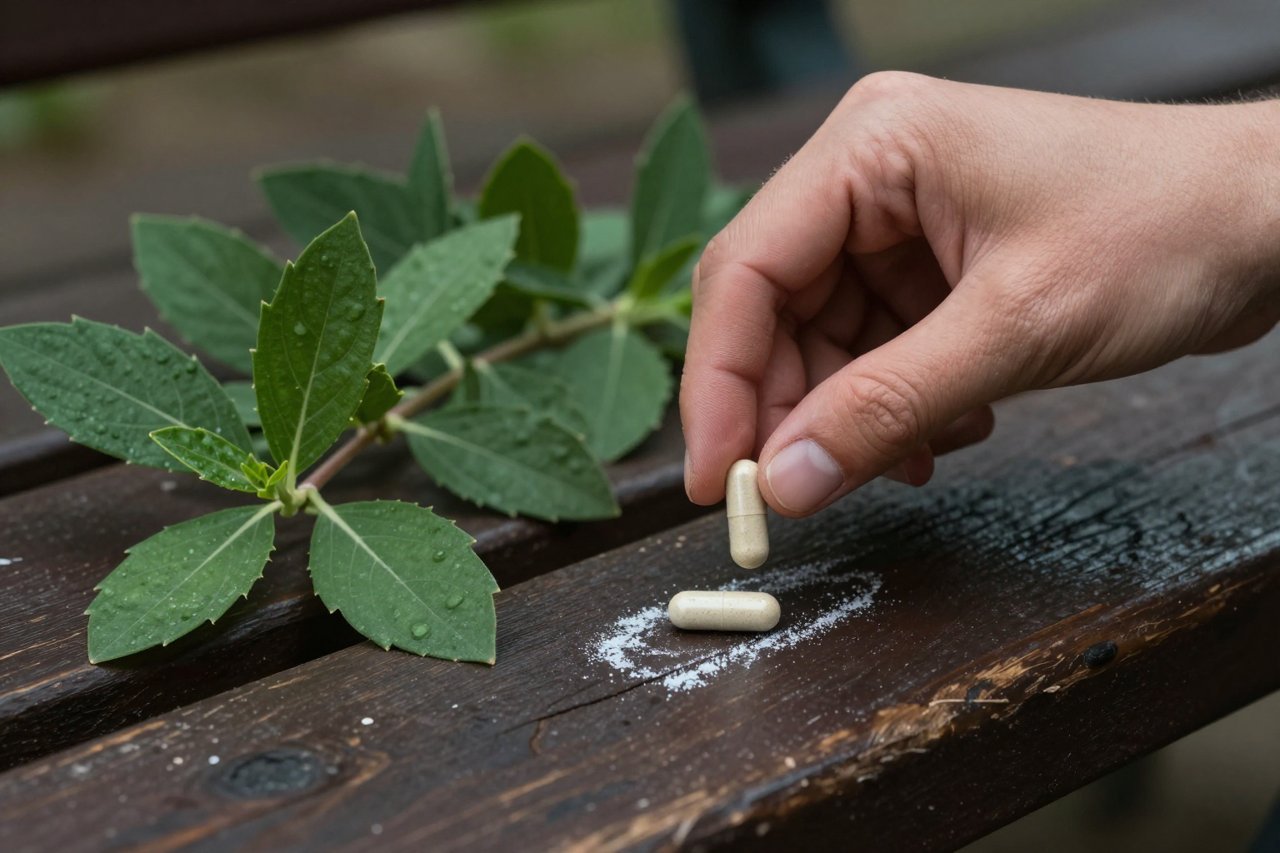
Turkesterone has become the supplement world’s favorite new obsession. It’s sold in capsules, powders, and tinctures, often with promises of steroid-like muscle growth without the legal or hormonal baggage. That pitch is appealing. It’s also mostly marketing. Turkesterone is a real compound with interesting biology behind it, but the gap between what the label implies and what human research supports is wide enough to drive a truck through.
If you’re considering it, you deserve a straight answer. Here’s what turkesterone is, what the evidence actually says, how people use it, and how to tell whether a product is worth your money.
What Is Turkesterone?
Turkesterone is a phytoecdysteroid, a class of plant compounds that mimic insect molting hormones. It’s extracted mainly from Ajuga turkestanica, a plant native to Central Asia, though related compounds show up in spinach, quinoa, and other foods. Chemically, it resembles ecdysone and 20-hydroxyecdysone (ecdysterone), just with a different side chain.
What it is not: an anabolic steroid. Turkesterone does not appear to bind to androgen receptors the way testosterone or synthetic steroids do. That matters because androgen receptor activation drives most of the muscle-building effects people associate with “anabolics.” Turkesterone’s proposed mechanisms are different, and much less understood in humans.
Most products standardize the extract to a percentage of turkesterone, often 10%. A 500 mg capsule of “10% turkesterone” delivers about 50 mg of the actual compound. That math trips up a lot of buyers.
What the Research Actually Shows
Animal data vs. human data
Search for turkesterone studies and you’ll find plenty of rodent data. Rats and mice given phytoecdysteroids have shown increased muscle protein synthesis, better recovery, and in some cases greater strength. Cell studies suggest it may influence signaling pathways related to protein turnover. That’s genuinely interesting. It’s also a long way from proving that a 180-pound lifter will add noticeable muscle.
Human trials are scarce. The closest thing to strong evidence comes from a small study on ecdysterone, a cousin of turkesterone. In that trial, young men doing resistance training who took ecdysterone gained slightly more muscle mass than the placebo group. The effect was modest, and the study was short. Turkesterone itself has no comparable published human trial with meaningful outcomes. If you want a deeper breakdown of the clinical evidence, this analysis of turkesterone supplements and the evidence is worth your time.
Why dosage is a guessing game
Dosage recommendations float around 500 to 1,000 mg per day, sometimes higher. Those numbers come from extrapolating animal doses and anecdotal reports, not from dose-response studies in trained humans. Bioavailability is another unknown. Phytoecdysteroids are poorly absorbed in some forms, and nobody has published reliable human pharmacokinetic data for turkesterone.
Why the Hype Outpaces the Evidence
Social media turned turkesterone into a phenomenon. Influencers post before-and-after photos, strength jumps, and “natty stack” claims. What those posts rarely show is the full picture: training consistency, calorie surplus, sleep, creatine, and sometimes other compounds. A 10-pound muscle gain over 12 weeks can happen with good programming and no turkesterone at all.
Labeling is another problem. Independent lab tests have found turkesterone products that contained little or none of the compound on the label. Some were underdosed. Others had contamination. The supplement industry is loosely regulated in many countries, so a fancy bottle means nothing without testing.
There’s also a psychological trap. When you pay $50 for a bottle and take it every day, you expect results. That expectation can make you train harder and eat better. Those changes produce the gains, not the capsule. Placebo is powerful, especially in fitness.
How to Take Turkesterone If You’re Curious
If you decide to experiment, treat it like a personal trial, not a magic bullet. These are the common practices, not official medical guidance:
- Dose: Most users take 500–1,000 mg of extract daily, split into two doses. Check the actual turkesterone content, not just the extract weight.
- Timing: Some take it with meals to reduce stomach upset. There’s no strong evidence that pre- or post-workout timing matters.
- Cycle length: People often run it for 8–12 weeks, then take a break. The rationale is mostly theoretical since long-term safety data don’t exist.
- Training: Keep a progressive overload plan. Turkesterone won’t compensate for random workouts.
- Protein: Aim for 1.6–2.2 grams per kilogram of body weight daily. That’s the muscle-building lever with real evidence behind it.
Track your lifts, body weight, sleep, and side effects in a notebook or app. If nothing changes after 8–12 weeks, stop buying it. Your wallet will thank you.
Side Effects and Safety
Animal studies generally show phytoecdysteroids are well tolerated. Human safety data for turkesterone are thin. Reported side effects from users are usually mild: stomach discomfort, headache, or fatigue. Some research on related compounds suggests possible effects on blood sugar, so people with diabetes or hypoglycemia should be cautious. If you take prescription medication, talk to a doctor before adding turkesterone.
Pregnant or nursing women should skip it. Athletes in drug-tested sports should check their federation’s rules. Turkesterone is not currently on the WADA prohibited list, but ecdysterone has been monitored by WADA, and rules can change.
Turkesterone vs Other Natural Supplements
Creatine monohydrate has decades of human research, costs pennies per serving, and reliably supports strength and lean mass. Protein powder makes hitting your daily target easier. Caffeine improves training output. Vitamin D and omega-3s help if you’re deficient. Turkesterone is a lottery ticket by comparison.
Ecdysterone is the better-studied cousin, though even that evidence is limited. Laxogenin and epicatechin have their own small followings with similarly weak human data. None of these are going to rival actual anabolic steroids, and they shouldn’t be marketed as if they will.
How to Spot a Quality Turkesterone Product
If you’re going to buy, look for:
- A specific extract standardized to turkesterone, not a vague “Ajuga turkestanica blend.”
- Third-party lab testing with a certificate of analysis you can actually view.
- Clear dosage per serving, including how much turkesterone the serving provides.
- A company with a real address, contact information, and a history of responding to customers.
- A price that isn’t suspiciously cheap. High-quality extraction costs money.
Store it away from heat and light. Check expiration dates. And be skeptical of reviews that read like ad copy.
How to Decide If Turkesterone Is Worth Your Money
Run the math for yourself. A month of turkesterone often costs $30 to $60. Creatine costs about $10. Protein powder depends on your diet, but it fills a clear gap. If your budget is tight, spend on the basics first and revisit turkesterone later.
Ask what you expect from it. If you’re looking for a legal edge that adds a few percent to your progress, and you can afford to lose the money with no return, a carefully sourced product is a low-risk experiment for most healthy adults. If you’re expecting steroid-like gains, you’ll be disappointed. Turkesterone might have a future as a studied supplement, but right now the honest summary is simple: interesting compound, weak human evidence, and a market full of hype. Treat it as optional, not essential.
