 1-800-656-4211




Blog
The Complete Prostate Milker Guide: Benefits, Safety, and How to Choose

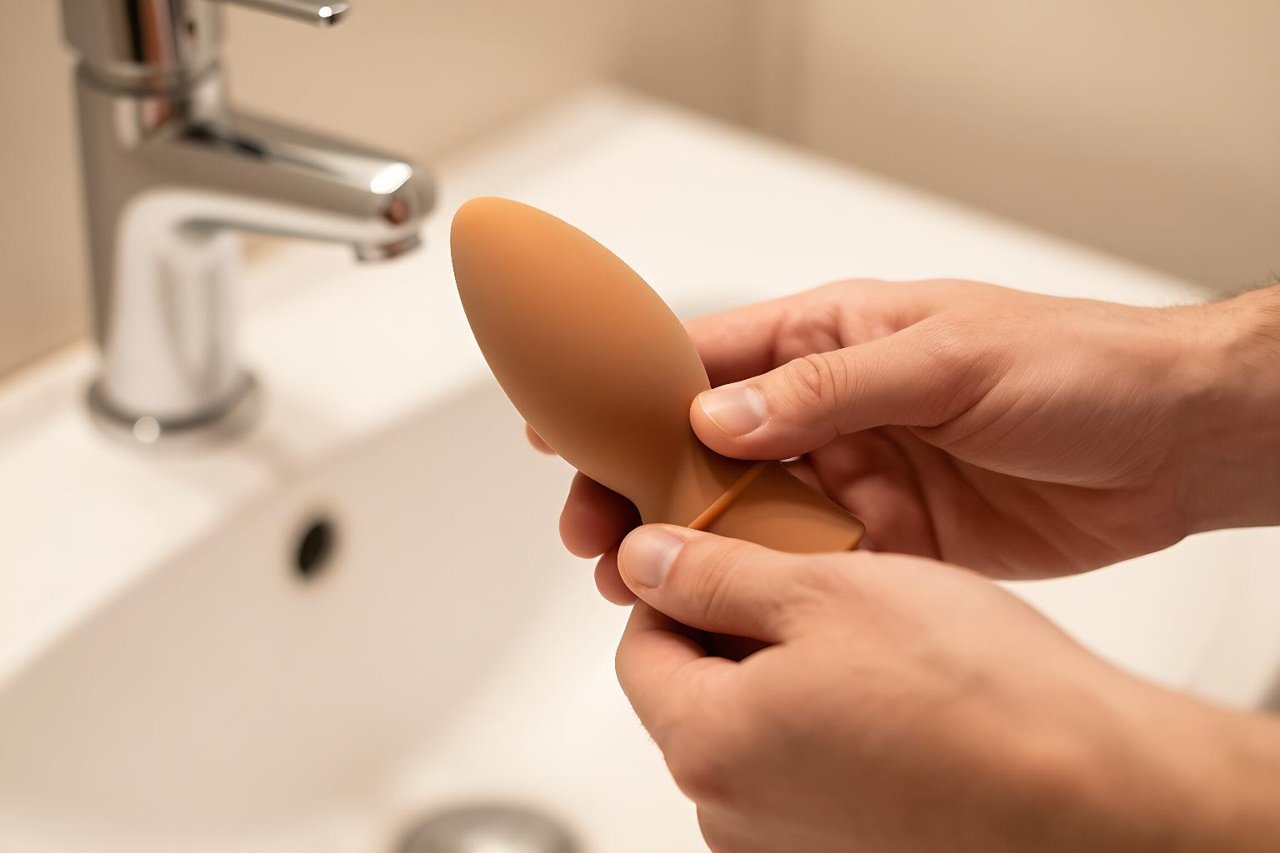
If you’ve stumbled across the term “prostate milker” while researching men’s health, you’re probably wondering what it actually does. Is it a medical device? A sex toy? Something linked to prostate exams? The answer is a little of all three. A prostate milker is a tool used to stimulate the prostate gland from inside the rectum, and it’s getting attention for the intense sensations it can produce as well as its potential role in prostate health. This guide will walk you through what it is, how it works, and how to approach it safely.
What Exactly Is a Prostate Milker?
At the most basic level, a prostate milker is a curved, penis-shaped device, or in some cases a manual tool, designed to press against the prostate gland. The prostate is a walnut-sized gland located just below the bladder and in front of the rectum. It surrounds the urethra and contributes a major part of the fluid that makes up semen.
The term “milking” comes from the rhythmic, repetitive pressure used to stimulate the gland. Unlike a typical prostate massager that might be used for general pleasure, a milker is often curved to reach the prostate directly and may have a motorised head or a manual handle. This repeated pressure can produce a deep, fluid-release sensation that many men describe as a prostate orgasm, which is different from a penile orgasm.
Interestingly, prostate massage is not a new concept. Traditional medicine practitioners have used it for centuries to address pelvic and urinary complaints. Modern prostate milkers are simply a more comfortable and consistent way to achieve the same kind of stimulation.
Why Do People Use a Prostate Milker?
There are many reasons, and most men find that it’s a combination of pleasure, curiosity, and health awareness. These are the most common:
- Intense pleasure: The prostate is rich in nerve endings. Direct, repetitive stimulation can lead to powerful, full-body orgasms that many describe as more intense than those from penile stimulation alone.
- Potential prostate health support: Regular ejaculation is believed to help flush fluids from the prostate. Some researchers and doctors believe prostate massage may help reduce fluid build-up, though the evidence is still limited. It should never be treated as a replacement for medical care.
- Stronger pelvic floor awareness: Using a prostate milker requires you to relax and engage the pelvic floor muscles. Over time, this can improve your awareness of those muscles and may help with urinary control and overall pelvic comfort.
- Curiosity: Many men simply want to know what it feels like, and that’s a perfectly good reason to explore.
How Does a Prostate Milker Work?
All prostate milkers share the same fundamental principle: applying gentle, repeated pressure to the prostate. Manual models are operated by hand; you insert the curved tip and then use your hand to tilt it in a slow “come here” motion. Motorised models use vibration or rotation to do the work for you. Hands-free designs are shaped like a small saddle or pedestal, allowing you to sit and ride the device at whatever pace feels right.
The most common design is a curved wand with a bulbous tip. The curve is crucial because it allows the tip to press against the anterior wall of the rectum, where the prostate sits. Some models have a perineum pad or a base that rests between your thighs for stability while lying down or sitting.
How to Use a Prostate Milker Safely
Start With Preparation
Begin with hygiene. Wash the device with warm soapy water or a dedicated toy cleaner. If you’re using a manual milker, clean your hands and trim your nails. Empty your bladder and bowels beforehand if possible, and a quick shower makes the whole experience more comfortable.
Lubrication is non-negotiable. The rectum does not self-lubricate, so apply a generous amount of lube to both the device and your anus. Water-based lube is best for silicone toys, as silicone-based lube can damage the surface. Reapply as needed.
Get Into Position
Lie on your back with your knees bent and pulled toward your chest, or lie on your side with your top knee raised. If you’re using a hands-free model, sitting upright on the device is the intended approach.
Go slowly. Press the tip gently against the anus and wait for the sphincter to relax. Forcing anything in will create tension and make the experience painful. Once the device is inserted about 2 to 3 inches, angle the tip toward your belly button. That’s where the prostate is located.
During the Session
Focus on gentle, rhythmic pressure rather than aggressive rubbing. If the device vibrates, start on a low setting and increase intensity only if it feels good. For a manual milker, use a slow “come here” motion. Some men experience a feeling of fluid passing without ejaculation; others need penile stimulation alongside. There is no wrong way, as long as it’s comfortable.
You may feel a tickle or a sensation like needing to urinate, especially at first. That’s normal and usually passes as you relax. Stop immediately if you feel sharp pain, nausea, or dizziness. Listen to your body above all else.
Aftercare and Cleaning
Remove the device slowly after you’re done. Wash it with warm soapy water and allow it to dry completely before storing. It’s also wise to use the toilet afterward, as the pelvic muscles can be temporarily sensitive. If you used a condom over the device, change it each time.
Who Should Avoid Prostate Milking?
Prostate milking isn’t suitable for everyone. If you have hemorrhoids, anal fissures, an active rectal infection, or a history of prostate cancer, talk to a doctor before trying it. The same applies if you’ve recently had prostate surgery, a biopsy, or any bowel surgery. And remember, prostate milking is not a cure or treatment for prostatitis, enlarged prostate, or any other medical condition. It may offer temporary relief for some, but it should never replace professional advice.
Choosing the Right Prostate Milker for You
There are many options on the market, from budget manual models to premium vibrating wands. Use this checklist to narrow it down:
- Body-safe materials: Choose 100% medical-grade silicone. If it’s not silicone, make sure it’s a non-porous hard plastic. Avoid jelly rubber or TPE, which are difficult to clean and can harbour bacteria.
- Size and girth: Beginners should start with a slim device around 1 to 1.25 inches in diameter. A larger toy can be intimidating and counterproductive because your muscles need to be relaxed.
- Curve and shape: Look for a pronounced, comfortable curve that will rest against the front wall of the rectum. A flat or straight toy won’t be as effective.
- Vibration settings: If you want vibration, pick a device with multiple speeds and patterns so you can find what works. Check reviews for motor noise as well.
- Ease of cleaning: Seamless devices with no crevices are much easier to keep hygienic. Make sure the base is wide enough that the toy can’t slip in entirely.
- Power source: Rechargeable models are more common and usually stronger, but they cost more. A manual milker is a good starting point if you’re still exploring.
Take your time to read reviews and check the exact measurements in the product description. A toy that works for one person might feel awkward for another, which is normal. Start with something simple, and give yourself time to learn what feels right. If you’ve never tried prostate stimulation before, consider using your finger first to locate the gland so you know what you’re looking for. Then, when you’re ready, a purpose-built prostate milker can take that experience to a whole new level.
