1-800-656-4211




Blog
Scientists discover hidden gut-brain circuit that triggers protein cravings


Eating is about far more than simply getting enough calories. The body must also obtain the right balance of nutrients, especially essential amino acids, which are the building blocks of protein that the body cannot produce on its own.
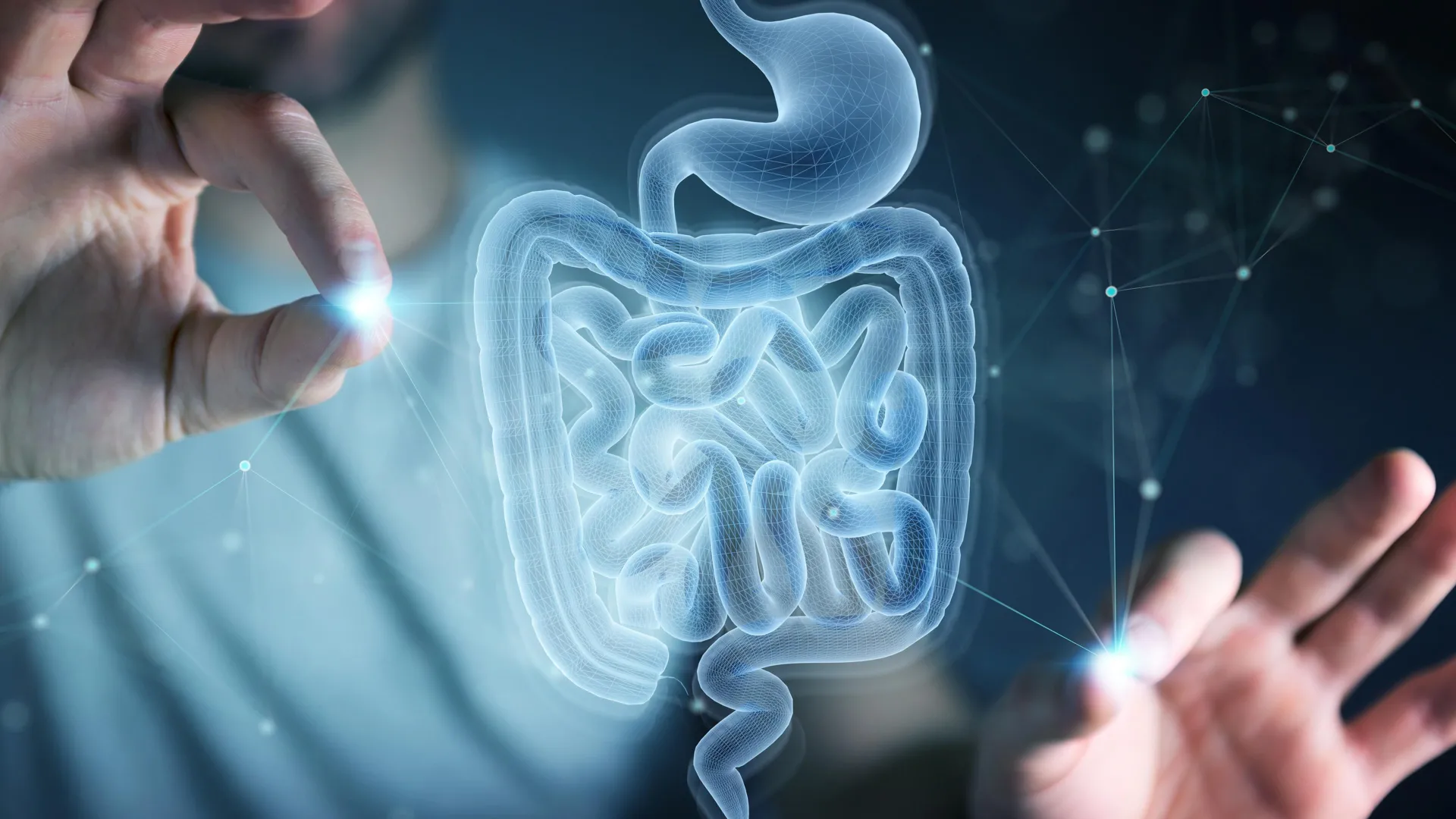
Now, researchers have uncovered a hidden communication system between the gut and brain that helps animals detect when protein is missing and pushes them to seek out the nutrients they need.
A team led by Director SUH Seong-Bae of the Center for Microbiome-Body-Brain Physiology at the Institute for Basic Science (IBS), working with scientists from Seoul National University and Ewha Womans University, identified a previously unknown gut-brain signaling network that rapidly changes feeding behavior when protein levels drop.
The findings were published in the journal Science on May 21.
How the Gut Detects Protein Deficiency
Proteins are essential because they contain amino acids that animals cannot make themselves. Scientists have long known that animals tend to crave protein-rich foods when deprived of protein, but exactly how the body senses this deficiency remained unclear.
The researchers discovered that the gut responds to protein shortages using two separate but coordinated communication pathways.
One pathway works quickly through the nervous system, rapidly alerting the brain that essential amino acids are lacking. The second pathway acts more slowly through hormones circulating in the body, helping sustain protein-seeking behavior over a longer period.
To uncover the mechanism, the team studied fruit flies, which are commonly used to investigate the neural circuits involved in feeding behavior. Using brain imaging, behavioral testing, and genetic experiments, the scientists mapped the specific circuitry involved.
When flies lacked protein in their diet, specialized cells in the intestine released a peptide hormone called CNMa. This hormone activated enteric neurons connected to the gut, which then quickly transmitted signals to the brain through a direct gut-brain neural pathway.
At the same time, CNMa also traveled through the bloodstream as a hormone, reaching the brain more gradually and reinforcing the drive to seek essential amino acids.
“Our study shows that the gut is not simply a digestive organ, but an active sensory system that continuously monitors nutritional state and directly guides behavioral decisions,” said Director SUH Seong-Bae.
Gut Signals Shift Cravings Away From Sugar
The newly identified system did not simply make animals eat more overall. Instead, it specifically changed what they wanted to eat.
The researchers found that protein deficiency increased attraction to protein-related nutrients while simultaneously reducing interest in sugar.
CNMa signaling suppressed activity in sugar-sensitive brain cells called DH44 neurons. As a result, feeding preferences shifted away from carbohydrates and toward protein-rich nutrients.
The study also showed that gut bacteria play an important role in the process. Fruit flies lacking normal gut microbes displayed much stronger activation of amino acid-seeking brain neurons, suggesting that the microbiome helps regulate nutrient availability and feeding behavior.
Similar Protein Seeking Behavior Found in Mice
The researchers found evidence that the same basic mechanism exists in mammals as well.
Experiments in mice showed that animals deprived of protein developed a strong preference for essential amino acids, similar to the behavior seen in fruit flies.
One surprising finding involved FGF21, a hormone previously believed to be central to protein appetite in mammals. Even mice lacking FGF21 still showed strong amino acid-seeking behavior.
The researchers say this suggests that animals possess additional nutrient-sensing systems that scientists have not yet identified.
Overall, the findings show that animals do not simply become hungrier when nutrients are missing. Instead, the brain appears to selectively prioritize foods containing the nutrients the body specifically lacks.
Potential Implications for Obesity and Eating Disorders
The scientists believe the discovery could help improve understanding of obesity, metabolic disease, and eating disorders.
“Most current obesity and appetite-control drugs rely on gut hormone signaling, yet we still know relatively little about how naturally produced gut signals influence the brain and behavior,” said Director SUH Seong-Bae. “This study reveals fundamental principles of nutrient selection by the gut-brain axis and provides a foundation for future therapeutic strategies targeting metabolic and feeding disorders.”