 1-800-656-4211




Blog
Creatine for Beginners: Side Effects, Myths, and How to Start Without the Bloat

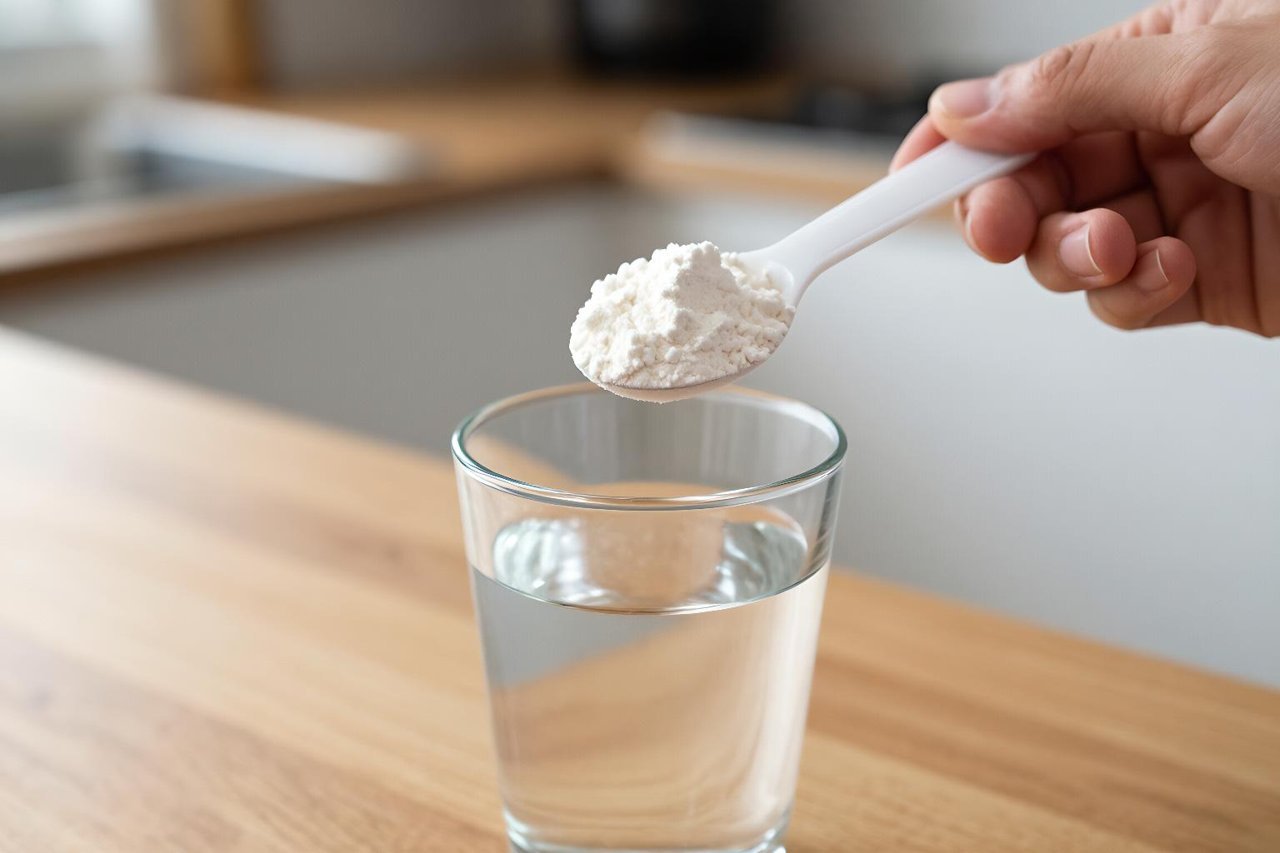
You’ve seen the tubs in the supplement aisle. Maybe a gym friend swears by creatine, or a podcast host calls it the most studied sports supplement on earth. Now you’re wondering if it’s worth trying, or if the side effects will make you regret the whole experiment. The short answer: for most beginners, creatine monohydrate is about as boring as supplements get. The longer answer involves a few real side effects, a lot of internet myths, and a simple dosing strategy that keeps the rough edges minimal.
What Creatine Actually Does (in Plain English)
Creatine isn’t a stimulant or a steroid. It’s a molecule your body already makes and stores in muscle. It helps regenerate ATP, the energy currency for short, hard efforts. Think 5 to 15 seconds of sprinting, heavy lifting, or jumping. Supplementing raises muscle creatine stores, which can translate to a few extra reps or a slightly faster sprint. That’s it. No buzz, no jitters, no magic fat burn.
The Side Effects Beginners Actually Notice
Water Retention (The 2-Pound Reality)
Creatine pulls water into muscle cells. You might gain 1 to 2 kg (2 to 4 lbs) in the first week or two. It’s intracellular water, not bloating under the skin. Your muscles may look a little fuller. The scale moves, but your waistband shouldn’t. If you feel puffy in the face or ankles, that’s not typical creatine water retention and worth a doctor visit.
Stomach Cramps and Loose Stools
The most common beginner mistake? Taking a big scoop on an empty stomach and chasing it with coffee. Creatine monohydrate is usually well tolerated, but 5g can upset some people’s gut, especially during a loading phase of 20g per day. Symptoms include cramping, diarrhea, and nausea. Fix it by taking 3 to 5g with a meal, splitting doses, and drinking water. If you want to load, do 5g four times a day with food instead of one giant shake.
Muscle Cramps and Dehydration
This is a stubborn myth. Studies haven’t found higher cramp rates in creatine users. Creatine actually increases water inside muscle, not depletes it. You still need to drink normally. If you’re sweating heavily, add electrolytes. Cramps are more likely from training volume or low sodium than from creatine.
Side Effects People Worry About (That Rarely Happen)
Kidney Damage
Creatine raises creatinine on blood tests. That’s a byproduct of creatine breakdown, not a sign of kidney injury. Doctors know this. If you have healthy kidneys, creatine hasn’t been shown to cause harm in long-term studies. If you have kidney disease, talk to your doctor first.
Hair Loss
A single 2009 rugby study found a small rise in DHT, a hormone linked to male pattern baldness. No follow-up study has replicated hair loss itself. If you’re genetically prone, watch for changes. For most people, the evidence is thin.
Weight Gain Beyond Water
Creatine doesn’t magically add fat. Any extra pounds beyond the initial water weight come from eating more or training harder. Some beginners use creatine as an excuse to bulk on junk food, then blame the supplement.
How to Start Creatine Without the Rough Edges
Skip the Loading Phase (or Do It Gently)
Loading means 20g per day for 5 to 7 days to saturate muscles faster. It works, but it’s the main cause of stomach upset. You can simply take 3 to 5g daily. It takes 3 to 4 weeks to reach full saturation, but you’ll avoid the GI drama. If you want faster results, split 20g into four 5g doses with meals.
Take It With Food and Water
A 5g dose with breakfast or dinner is easier on the gut. Pair it with 8 to 12 oz of water. If you’re a heavy sweater or train in heat, drink more. Creatine doesn’t replace fluids.
Choose Monohydrate, Not the Fancy Stuff
Creatine monohydrate is the most studied form. It’s cheap and effective. Creatine HCl, buffered creatine, and liquid creatine cost more without proven advantages. Look for ‘creatine monohydrate’ or ‘micronized creatine monohydrate’ on the label. Third-party testing seals from NSF or Informed Sport are a bonus.
A Simple Beginner Protocol
- Take 3 to 5g creatine monohydrate daily, any time of day.
- Pair it with a meal that has carbs and protein.
- Drink water throughout the day, especially around training.
- Skip the loading phase unless you tolerate it well.
- Give it 4 weeks before judging results.
- Track digestion and energy for the first week.
Who Should Check With a Doctor First
People with kidney or liver disease should get medical clearance. So should anyone taking medications that affect kidney function. Pregnant and breastfeeding women lack long-term safety data, so a conversation with a doctor makes sense. Teens under 18 should talk to a pediatrician, even though research in young athletes is growing. If you have a history of dehydration or heat illness, be extra careful with fluids.
What a Realistic First Month Looks Like
Days 1 to 3: nothing dramatic. Maybe a slight increase in thirst. Days 4 to 10: muscles feel a bit fuller, scale up 1 to 2 lbs. Week 2 to 3: you might add a rep or two on bench press or squats. Week 4: full saturation. If you feel nothing, your dose might be low or your training doesn’t rely on short bursts. About 20 to 30 percent of people are non-responders.
Red Flags to Stop and Reassess
Persistent stomach pain, bloody diarrhea, or severe cramps aren’t normal. Swelling in the face, hands, or ankles deserves attention. Reduced urine output is another warning sign. Allergic reactions like rash, itching, or swelling mean stop immediately. Unusual fatigue or muscle weakness also warrants a break and a doctor’s opinion.
What to Do If Side Effects Stick Around
If you’ve tried 3 to 5g with food for two weeks and still feel off, stop. Creatine isn’t mandatory. Try a different brand, since some products contain fillers or flavorings that upset sensitive stomachs. Revisit it later if you’re curious. For most beginners, the side effects are mild and temporary. The bigger risk is wasting money on underdosed or overhyped products. Start simple, stay hydrated, and let the boring monohydrate do its job.
