 1-800-656-4211




Blog
Best Probiotic for Men: Side Effects, Strains, and How to Start Without Regret

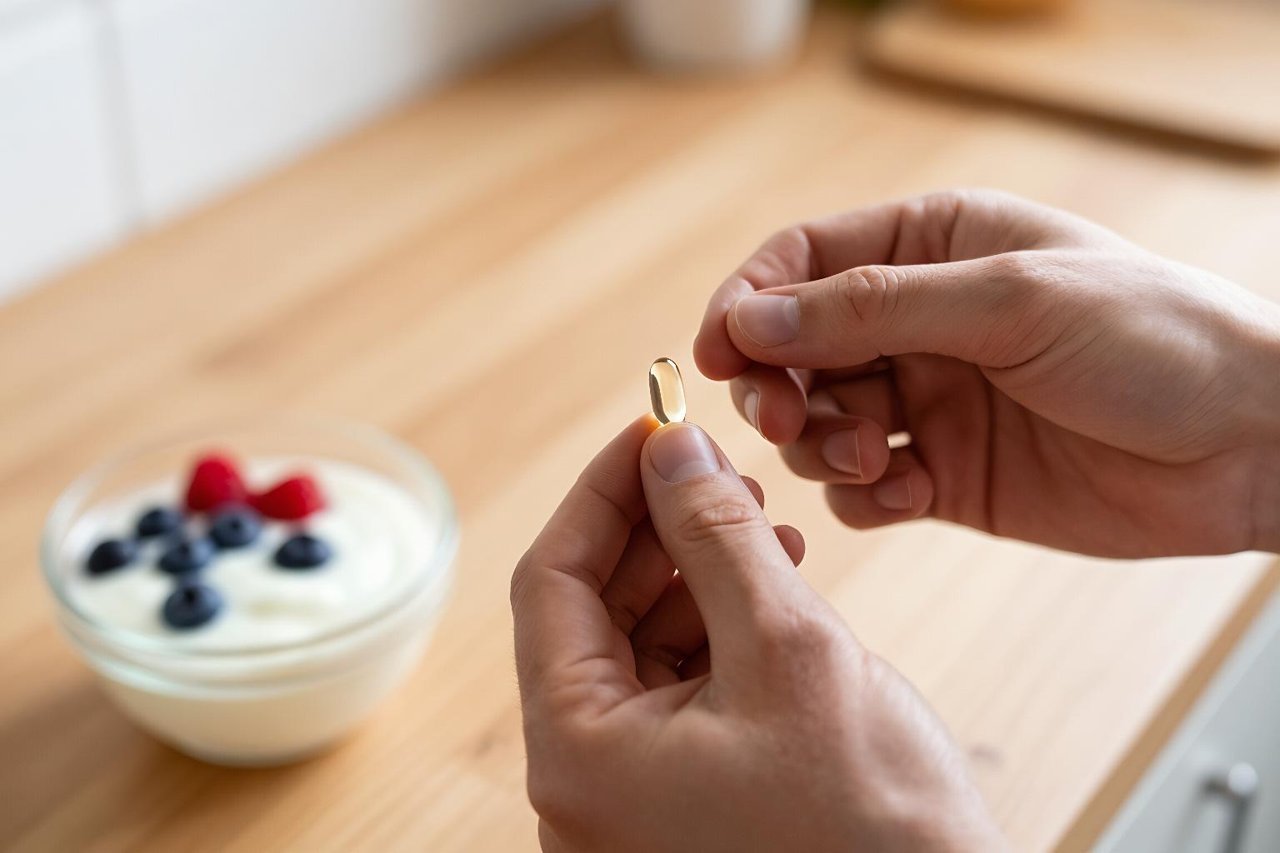
Why men’s probiotics deserve a closer look at the side effects
Walk into any supplement aisle and you’ll see probiotics marketed at men with promises about energy, digestion, and even prostate health. The side effects? Usually buried in a footnote. That’s a problem, because the best probiotic for men isn’t the one with the biggest CFU number or the boldest label. It’s the one you can take without spending three days doubled over with gas.
Most men tolerate probiotics well. The catch is that ‘most’ isn’t ‘all,’ and the same capsule that helps one guy’s bloating can give another guy diarrhea for a week. Here’s what to expect, which strains are worth trying, and how to start without turning your gut into a science experiment.
Why male guts sometimes react differently
Men and women share the same basic gut biology, but lifestyle and anatomy create different risk profiles. Men are more likely to drink heavily, eat less fiber, and ignore symptoms until something hurts. Those habits change the gut microbiome and can make a probiotic hit harder or softer than expected.
If you’ve read our guide to the best probiotic for women, you know strain selection matters. The same logic applies here, just with different risk factors. A formula designed around women’s hormonal and urinary health isn’t automatically wrong for a man, but it may not target the strains that help with antibiotic recovery, traveler’s diarrhea, or general gut comfort.
The side effects worth knowing about
Probiotic side effects usually fall into two buckets: mild and temporary, or rare and serious. The mild ones are far more common, especially in the first one to two weeks.
- Gas and bloating: the most common complaint, especially with high-CFU products or formulas that include prebiotic fibers.
- Loose stools or diarrhea: can happen when a new strain shifts the balance too quickly.
- Abdominal cramps: often linked to taking a probiotic on an empty stomach or starting at a full dose.
- Headaches: less common, but some men notice them in the first few days.
- Skin flushing or congestion: a sign of a histamine reaction in sensitive people.
Gas and bloating: the first-week tax
Bacteria ferment fiber and produce gas. That’s normal. When you introduce billions of new bacteria at once, the fermentation party gets loud. A 50 billion CFU capsule taken on day one is more likely to cause bloating than a 5 billion CFU capsule taken with breakfast. Start low, give it a week, and increase only if your gut stays calm.
Loose stools and cramping
Some men mistake diarrhea for a ‘detox’ and push through it. Don’t. If a probiotic gives you loose stools for more than three or four days, stop and try a different strain or a lower dose. Also check the label for lactose or dairy-based fillers. A capsule that contains lactose can cause problems for men who are sensitive, even if the bacteria themselves are fine.
Histamine reactions are real
Certain strains, including some Lactobacillus casei and Lactobacillus bulgaricus, can produce histamine. Others, like Bifidobacterium infantis, tend to degrade it. If you have allergies, chronic congestion, or a known histamine intolerance, a histamine-producing probiotic can leave you flushed, itchy, or headachey. It’s not dangerous for most people, but it’s miserable.
Rare but serious: infection and SIBO
People with compromised immune systems, central venous catheters, or short bowel syndrome face a small but real risk of probiotic bacteria entering the bloodstream. That’s why hospitals are careful about which patients get probiotics. There’s also the SIBO question. Small intestinal bacterial overgrowth can worsen with certain probiotics, especially those that colonize the small intestine. Our article on probiotic side effects nobody warns you about covers that connection in more detail. If you have SIBO, brain fog, or severe bloating after starting a probiotic, stop and talk to a doctor.
Which strains actually have evidence for men?
No single strain is ‘the men’s probiotic.’ The best choice depends on why you’re taking it. Here are a few strains with decent research behind them:
Lactobacillus rhamnosus GG has solid evidence for preventing antibiotic-associated diarrhea and supporting recovery after a course of antibiotics. Saccharomyces boulardii is a yeast-based probiotic that also helps with antibiotic-related diarrhea and traveler’s diarrhea. Lactobacillus plantarum LP299v has been studied for irritable bowel symptoms and gas. Bacillus coagulans is a spore-forming strain that survives stomach acid well, which makes it convenient for men who hate timing supplements around meals.
Some early research looks at Lactobacillus strains for prostate inflammation, but the evidence isn’t strong enough to pick a product solely for that. If prostate health is your main concern, talk to a urologist before spending money on a probiotic that promises the moon.
CFU counts: more isn’t better
A 100 billion CFU product sounds impressive. It also increases the odds of gas, bloating, and cramping. For general gut maintenance, 5 to 10 billion CFU is often enough. After antibiotics or during a bout of diarrhea, 20 to 50 billion CFU may be more appropriate. Start at the low end and work up.
Timing: with food or on an empty stomach?
It depends on the strain. Many Lactobacillus and Bifidobacterium products survive better when taken with food, because the food buffers stomach acid. Spore-based probiotics like Bacillus coagulans are tougher and can be taken anytime. Read the label. If it doesn’t specify, take it with breakfast and see how your gut responds.
How to start a probiotic without side effects derailing your week
Buying the right product is half the battle. Starting it sensibly is the other half.
- Choose a single-strain product first if you’re sensitive. Fewer variables make it easier to spot a problem.
- Start with half the label dose for three to four days.
- Take it with a meal that contains some fat, which can help with absorption and reduce stomach upset.
- Keep a simple symptom log for two weeks. Note gas, stool changes, and energy levels.
- Give it at least 14 days before deciding it doesn’t work. The first week is often the roughest.
If you’re layering a probiotic on top of a new high-fiber diet, don’t do both at once. You won’t know which one caused the bloating. Add one variable at a time.
When a probiotic is the wrong move
Probiotics are generally safe for healthy men. They are not a good idea if you are immunocompromised, hospitalized with a central line, or recovering from major abdominal surgery. If you have unexplained weight loss, blood in your stool, severe abdominal pain, or a fever, skip the supplement aisle and see a doctor. Probiotics can mask or worsen serious conditions when used without a diagnosis.
Men with SIBO or histamine intolerance should be especially cautious. A product that works wonders for your friend’s constipation can leave you with a headache and a bloated stomach for days. That doesn’t mean probiotics are bad. It means the ‘best’ probiotic for you is the one that matches your specific situation.
Reading a men’s probiotic label like a skeptic
Look for the full strain name, not just the genus. ‘Lactobacillus’ tells you almost nothing. ‘Lactobacillus rhamnosus GG’ tells you exactly what you’re getting. Check the CFU count at the time of expiry, not just at the time of manufacture. Look for third-party testing seals from NSF or USP. Avoid products that list ‘probiotic blend’ without strain codes or CFU amounts per strain.
If you want a deeper breakdown of how to compare formulas, the same principles in our strain selection and side effects guide apply to men’s labels. The marketing changes. The biology doesn’t.
One more label trap: prebiotics. Many men’s probiotics include inulin or FOS to feed the bacteria. That’s fine for some guys, but it can cause serious gas and bloating in others. If you’re prone to gas, start with a probiotic that doesn’t include added prebiotics.
A practical test for your next probiotic
Pick a product with a single well-studied strain and a CFU count between 5 and 10 billion. Take half a dose with breakfast for four days. If your gut stays calm, move to the full dose. If you notice mild gas, give it another week. If you notice diarrhea, cramping, or a headache that won’t quit, stop. Try a different strain after a two-week break. That process sounds slow, but it beats guessing why you feel awful. And if you’ve had side effects from a probiotic before, our breakdown of side effects that catch people off guard is worth a read before you buy another bottle.
