 1-800-656-4211




Blog
Creatine Loading Phase Side Effects: What’s Real and What’s Not

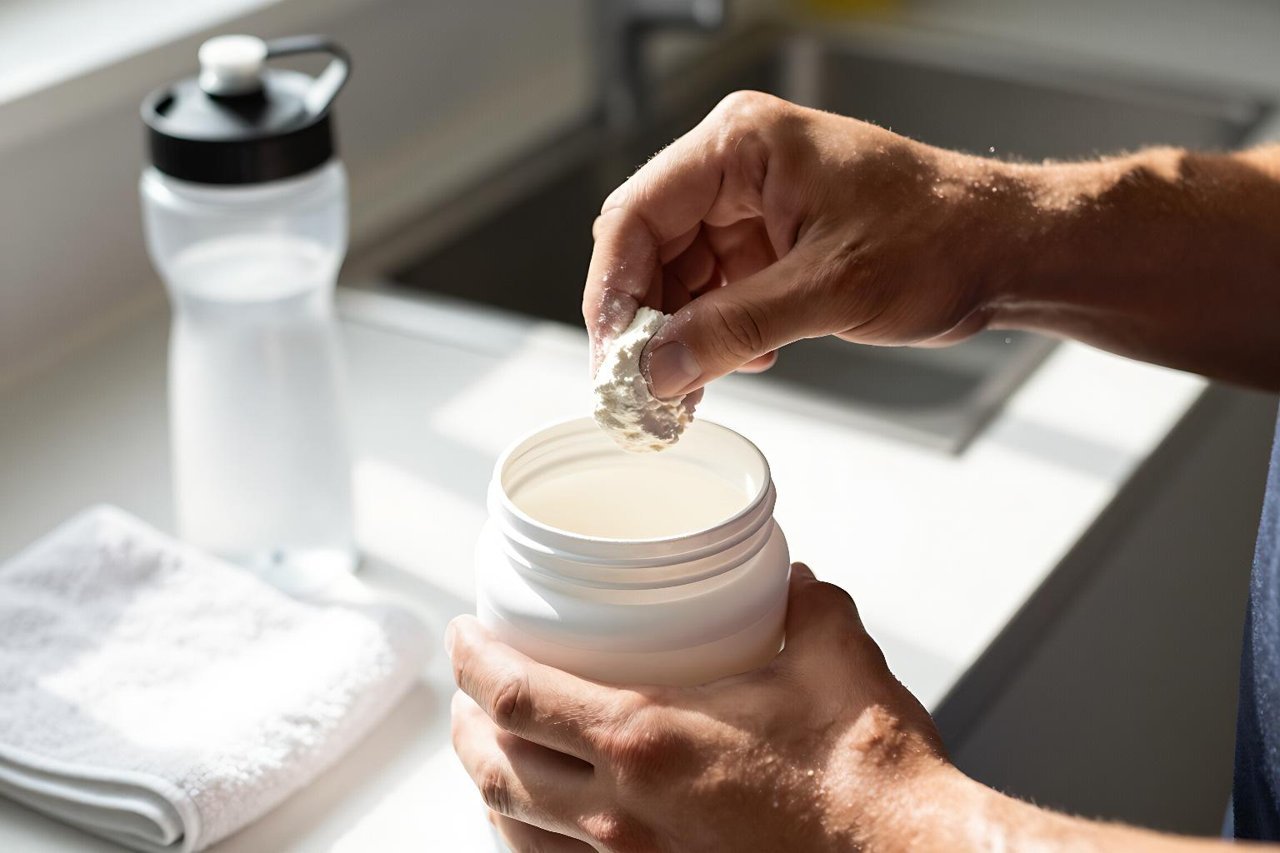
You’ve got a tub of creatine monohydrate on the counter and a loading protocol on your phone: 20 grams a day for five to seven days, split into four 5-gram doses. Then drop to 3 to 5 grams daily. Simple. Except your training partner mentions bloating, your coworker claims creatine wrecked his kidneys, and a forum thread insists it makes your hair fall out. Suddenly the scoop looks less appealing.
The creatine loading phase side effects are usually mild and temporary. Most people notice a little water weight, maybe some stomach gurgling if they take doses too close together. Serious problems are rare in healthy people. Here’s what the research and real-world experience say, including the side effects worth watching and the ones that are mostly myth.
What the loading phase actually does
Creatine works by saturating your muscles. A maintenance dose of 3 to 5 grams per day will get you there eventually. Loading just gets you there faster: roughly 20 grams daily for 5 to 7 days can raise muscle creatine stores by 20% to 40%, compared with a slower rise on maintenance alone. That’s why lifters load before a meet or a hard training block. They want the extra reps and the faster recovery now, not in a month.
The trade-off is that big doses hit your gut and your body’s fluid balance harder than a small daily scoop. That’s where most side effects come from.
Creatine loading phase side effects you’ll actually notice
Water weight and puffiness
Creatine pulls water into muscle cells. That’s part of why it works. Expect the scale to move up 1 to 3 kilograms (2 to 6 pounds) during a load, depending on your size and how much you’re eating. Your muscles may look fuller. Your waist might feel a little softer, and your face may look slightly puffy if you’re sensitive.
This isn’t the same as holding water under your skin like a balloon. It’s intracellular water, mostly inside muscle. Still, if you’re cutting for a weight-class sport or a photoshoot, a loading phase can blur your look for a few days. One practical fix: don’t schedule a load the week of a weigh-in.
Stomach upset from large doses
A 5-gram scoop on an empty stomach is fine for many people. Four of them in a day, especially back-to-back or mixed into a thick shake, can cause bloating, gas, loose stools, or nausea. The culprit is usually dose size and timing, not creatine itself. Smaller doses absorb better. Taking 5 grams with food, spread across breakfast, lunch, pre-workout, and dinner, tends to be gentler than chugging 20 grams at once.
If you’re prone to GI trouble, creatine hydrochloride or creatine nitrate aren’t automatically easier on your stomach. Monohydrate has the best evidence and is cheap. The fix is usually splitting the dose and drinking more water, not buying a fancier tub.
Headaches and thirst
Some people report headaches during the first few days of loading. The likely reasons are dehydration and changes in fluid balance. Creatine draws water into muscle, so you need more fluids than usual. A 70 kg athlete might need an extra 500 to 1,000 mL daily during a load, particularly in hot weather or during heavy training. Keep a water bottle nearby and sip through the day. If headaches persist, cut the dose or stop loading.
Side effects that get blamed on creatine but usually aren’t
Muscle cramps
The cramping story refuses to die. Creatine doesn’t cause cramps in most people. Studies in football players, rugby players, and other athletes have found no increase in cramping or injury during creatine use. If you cramp during a load, look at your sodium, potassium, and fluid intake. A hard training session in a hot gym is a better explanation than the powder.
Kidney damage
Creatine raises creatinine on a blood test. That’s a normal breakdown product of creatine, not a sign that your kidneys are failing. It can confuse a doctor who doesn’t know you’re supplementing. In healthy people, long-term creatine use at recommended doses hasn’t been shown to harm kidneys. If you already have kidney disease, talk to your doctor before starting. Don’t load blindly.
Hair loss
A single small 2009 study in rugby players reported higher DHT levels with creatine. DHT is linked to male pattern baldness. That study didn’t measure hair loss, and later research hasn’t confirmed the finding. The evidence is thin. If you’re worried, watch your own scalp, but don’t treat one small study as proof.
Who should think twice about loading
Loading isn’t mandatory. It’s a shortcut. Certain groups should be more cautious:
- People with kidney conditions or a family history of kidney disease. Get medical clearance first.
- Anyone with GI conditions like IBS or reflux. A 20-gram daily load can trigger flare-ups. A slower 3 to 5 gram daily dose may suit you better.
- Weight-class athletes and physique competitors. The extra water weight can affect a weigh-in or stage look.
- People on medications that affect fluid balance or kidney function. Ask a pharmacist or doctor about interactions.
- Anyone who hasn’t tolerated creatine before. Try 3 grams for a week before doing a full load.
How to load with fewer problems
You can get the benefits of saturation without feeling like a water balloon or living in the bathroom. Use these tactics:
- Split doses. Take 5 grams four times daily instead of 20 grams at once.
- Take creatine with meals. Food slows digestion and reduces stomach upset. A dose with breakfast and a dose with dinner is a good start.
- Drink more water. Add 500 to 1,000 mL daily during the load. Pale yellow urine is a reasonable target.
- Don’t dry out. Avoid aggressive dehydration or sauna cuts during a loading phase.
- Use monohydrate. It’s the most studied form, and it’s cheap. Micronized monohydrate mixes better and may be gentler for some people.
- Shorten the load if you feel awful. You can drop to 10 grams daily for 10 to 14 days. You’ll reach saturation more slowly, with fewer side effects.
Do you even need to load?
No. A maintenance dose of 3 to 5 grams per day will saturate your muscles in about 3 to 4 weeks. That’s fine for most recreational lifters. Loading makes sense if you want the performance boost before a competition, a testing week, or a short training block. It’s also useful if you’re impatient and want to see the effects within a week.
If you’re healthy and you tolerate the powder, a short load is low-risk. Start with 5 grams with breakfast, 5 with lunch, 5 around training, and 5 with dinner. Keep water handy. Watch for stomach upset and scale changes. If you feel fine after a few days, continue for the full five to seven days. If you don’t, drop back to maintenance. The best loading phase is the one you can actually stick to without dreading the next scoop.
