 1-800-656-4211




Blog
Low FODMAP Fiber Supplements: Side Effects, Hidden Triggers, and How to Start

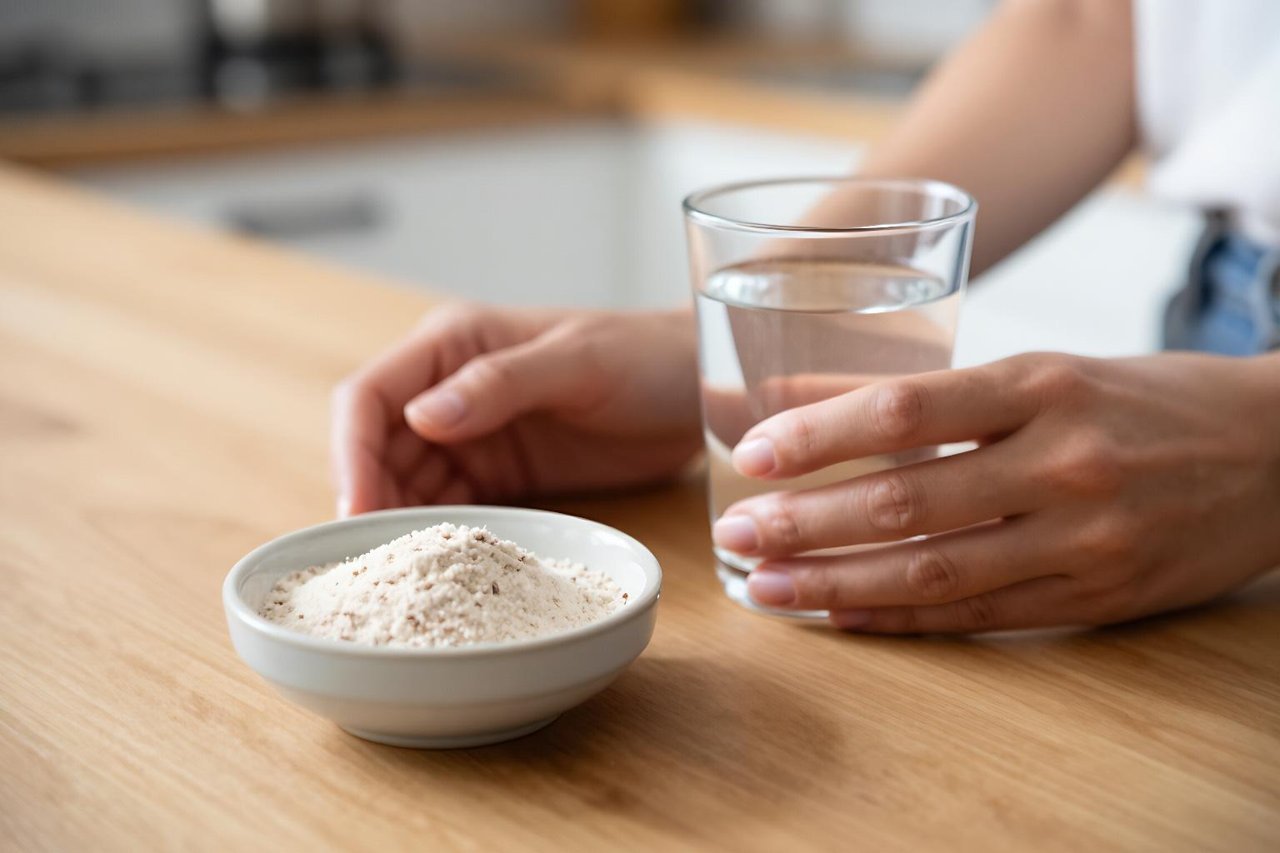
Fiber is supposed to help your gut. So it feels like a bad joke when a spoonful of powder leaves you more bloated than you were before you started. If you’re following a low FODMAP diet for IBS, the stakes are higher. The wrong supplement, or the right one taken too fast, can set off the exact symptoms you’re trying to calm.
The side effects of low FODMAP fiber supplements usually come down to three things: the type of fiber, the dose, and what else is in the tub. Get those right and a supplement can be a useful tool. Get them wrong and you’ll spend the afternoon on the sofa with your waistband undone.
Why low FODMAP doesn’t mean side-effect free
Low FODMAP fibers are less fermentable than inulin or chicory root, but they are not inert. Psyllium husk absorbs water and forms a gel. Partially hydrolyzed guar gum, usually called PHGG, still feeds some bacteria. Methylcellulose passes through more intact. Each can change stool consistency, transit time, and the amount of gas your gut produces.
Your gut also has to adapt. Start with a large scoop and you may get cramping, rumbling, and wind for a few days. People with IBS tend to feel normal amounts of gas more intensely, so a little bloating can be genuinely painful.
The common side effects, and what they usually mean
Most reactions are mild and settle within a week or two. The pattern matters. If symptoms are getting worse each day, don’t push through.
- Gas and bloating: The most common complaint. A little wind in the first few days is normal. Severe bloating, a distended belly, or symptoms that last beyond two weeks usually point to too high a dose, a fermentable additive, or a fiber that doesn’t suit you.
- Abdominal cramps: Often linked to a big dose taken with too little water, or to rapid fermentation. Cramps with vomiting or no bowel movement need medical advice.
- Loose stools or diarrhea: Soluble fiber can soften stool. Too much psyllium, or a powder sweetened with sorbitol, xylitol, or maltitol, can tip you into diarrhea.
- Constipation: Bulking fibers need fluid. Take psyllium or methylcellulose with a full glass of water and drink normally through the day. Without enough liquid, they can make stools harder.
- Nausea or early fullness: Powder taken on an empty stomach or mixed too thickly can sit heavily. Try it with food and more liquid.
Some of these are the same early effects people notice with any gut supplement. The difference is that fiber is easy to overdo because the label dose is often more than a sensitive gut needs at first. This pattern of gut health supplement side effects that show up before the benefits do is worth understanding if you’re stacking more than one product.
Check the label for high FODMAP extras
A fiber supplement is not just fiber. Many gut-friendly powders and gummies include ingredients that are high FODMAP or irritating in their own right. Inulin, chicory root, fructo-oligosaccharides, and galacto-oligosaccharides are fermentable prebiotics. They can be useful for some people, but they are exactly what a low FODMAP plan is trying to reduce during the elimination phase.
Also look for fruit powders, agave inulin, honey powder, and sugar alcohols. A product can say low FODMAP friendly on the front and still contain a prebiotic blend that sets you off. If the ingredient list reads like a prebiotic supplement, treat it like one. Prebiotic fiber supplements and their side effects are a separate topic, and the dose-response is real.
Plain is usually safer: psyllium husk, PHGG, or methylcellulose with few added ingredients. Flavors and sweeteners are where hidden triggers hide.
Low FODMAP-friendly fiber options and their quirks
Psyllium husk
Plain psyllium is a common first choice. It’s low FODMAP in typical servings, cheap, and effective for both constipation and loose stools. It also causes gas in some people, especially at higher doses. Drink it quickly before it thickens, follow with 8 to 12 ounces of water, and take it at least two hours away from medications because it can slow absorption.
If psyllium leaves you bloated, the issue may be dose or speed rather than the fiber itself. The side effects of soluble fiber supplements and how to avoid the bloat are worth reading before you give up.
Partially hydrolyzed guar gum
PHGG is a low FODMAP fiber that dissolves clear and is less viscous than psyllium. It has some evidence for improving bowel habits in IBS, but it is still fermented. Start with half a teaspoon or half a scoop, not the full serving. Gas and rumbling are the usual early complaints.
Methylcellulose
Methylcellulose is a synthetic soluble fiber that forms a gel and is less fermented than psyllium. That means less gas for some people, though it can still cause bloating and fullness. It needs plenty of water. It’s often used for constipation, not diarrhea.
No supplement is universally low FODMAP or universally gentle. A dietitian can help you match the fiber to your main symptom: constipation, diarrhea, or both.
How to start without triggering a flare
The goal is to find the smallest dose that helps. More is not better with fiber.
- Start below the label dose. Half a teaspoon of psyllium or half a scoop of PHGG is a reasonable first step. Wait five to seven days before increasing.
- Use enough water. Mix powder in at least 8 ounces and drink another glass afterward. Sip through the day.
- Try one product at a time. Don’t add a probiotic, a prebiotic, and a new fiber powder in the same week. You won’t know what helped or what hurt.
- Take it with food if you feel queasy. A small breakfast or lunch is easier on the stomach than an empty one.
- Keep the timing consistent. Same time each day makes it easier to spot a pattern.
- Separate fiber from medications. Psyllium can affect how some drugs are absorbed. Leave at least two hours, and ask a pharmacist about thyroid medication, diabetes drugs, or anything with a narrow therapeutic window.
Keep a simple note on your phone: dose, time, stool type, gas, pain. After two weeks you’ll see whether the problem is the fiber, the dose, or an additive. If you’re still bloated on a plain low FODMAP fiber, a targeted probiotic may be the next thing to discuss. Probiotics for bloating have strain-specific evidence, and not every product is worth your money.
When side effects mean stop, not adjust
Most fiber side effects are annoying, not dangerous. Stop and get medical advice if you have severe abdominal pain, vomiting, a hard swollen belly, no bowel movement for several days, rectal bleeding, or signs of an allergic reaction such as hives, swelling, or wheezing.
Powdered fiber can also be a choking risk if you take a dry spoonful or mix it too thickly. Always stir it into liquid and drink it before it sets. If you have trouble swallowing, ask about a different form.
Persistent diarrhea, cramps that wake you at night, or symptoms that don’t improve after two weeks of a low dose deserve a conversation with your GP or dietitian. Fiber is a support tool, not a fix for every gut problem. The right low FODMAP fiber supplement should make your week more predictable, not less.
