 1-800-656-4211




Blog
Flaxseed Fiber Benefits: Side Effects, Safe Doses, and How to Use It

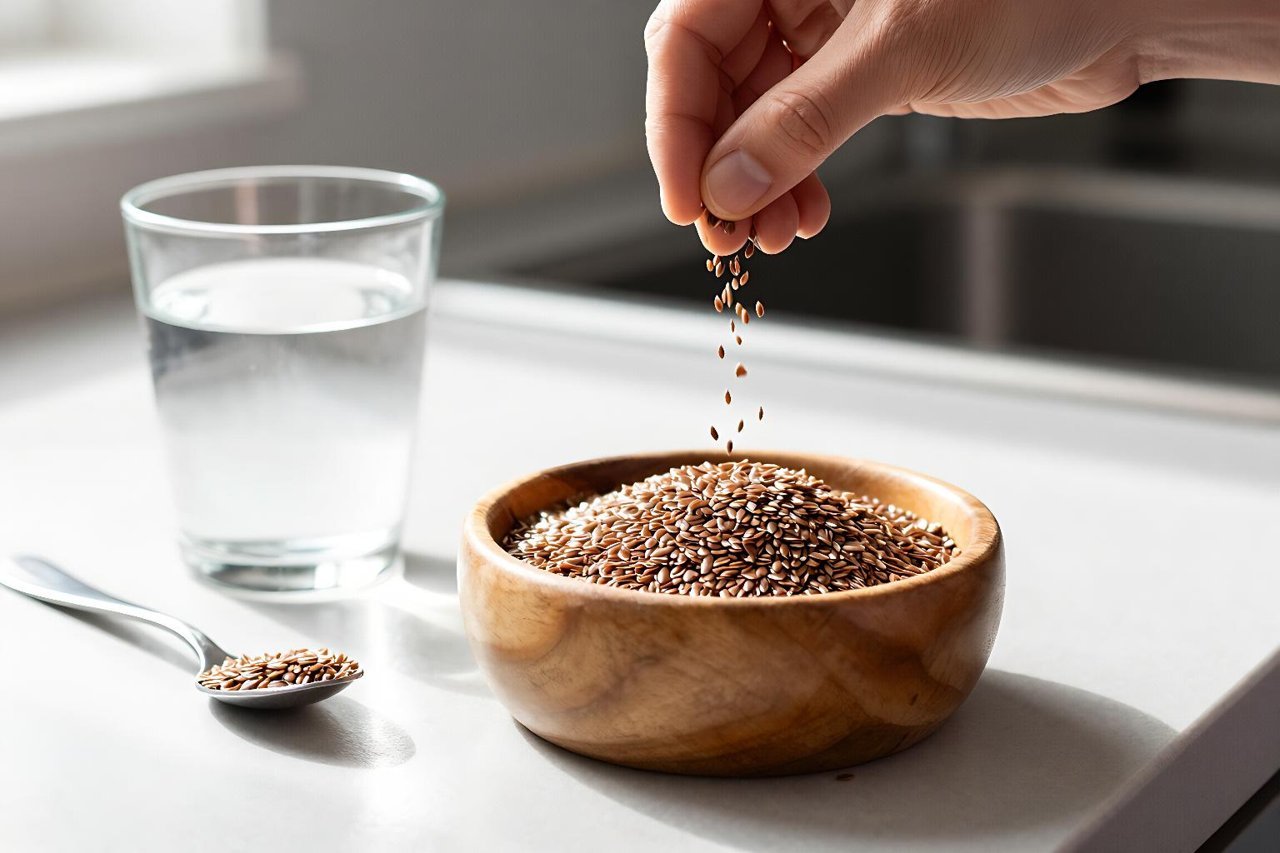
Flaxseed has a reputation that swings between miracle food and digestive troublemaker. Both stories come from the same place: fiber. A two-tablespoon scoop of ground flaxseed packs about 3.8 grams of fiber, along with omega-3 ALA and lignans. That combination explains the flaxseed fiber benefits and the side effects that show up when you overdo it or eat it dry.
Most people can get good results with a modest daily amount, plenty of water, and a little patience. The trick is understanding what flax fiber does in the gut, what it can reasonably help with, and where it can backfire.
What flaxseed fiber actually is
Flaxseed contains both soluble and insoluble fiber. The soluble portion includes mucilage, a gel-forming fiber that absorbs water and softens stool. The insoluble portion adds bulk and speeds transit for some people. That two-part structure makes flax different from psyllium, which is mostly soluble, and wheat bran, which is mostly insoluble.
Whole flaxseeds are tough. If you swallow them intact, many pass through without releasing their fiber. Grinding is what unlocks the benefit. Buy pre-ground flaxmeal or grind whole seeds in a coffee grinder, then store it in the freezer to slow oxidation.
Ground versus whole: a small choice with a big effect
One tablespoon of whole flaxseed may look like a fiber win on the label, but your body sees less of it. Ground flaxseed mixes into yogurt, oatmeal, and smoothies and exposes more surface area to digestive enzymes. Freshly ground is best. Pre-ground flaxmeal is convenient, but check the date and keep it cold.
The benefits that are worth paying attention to
More regular, comfortable bowel movements
Flax mucilage holds water in the stool, which can make hard stools easier to pass. In small studies, ground flaxseed has helped people with constipation when used consistently and with enough fluid. It is not a stimulant laxative. It works gradually, usually over days rather than hours.
Heart health and cholesterol
Soluble fiber binds bile acids and carries them out, which prompts the liver to use cholesterol to make more. The result can be a modest drop in LDL cholesterol. Flax also supplies alpha-linolenic acid, an omega-3 fat. A 2022 review found flaxseed interventions improved several cardiovascular risk markers, though effects vary by dose and form. Think of flax as one useful food in a heart-healthy pattern, not a replacement for medication.
Blood sugar and appetite
Fiber slows digestion and can blunt the post-meal glucose rise. Adding ground flax to breakfast may help you feel fuller for longer. The evidence is stronger for overall fiber intake than for flax alone, so use it as part of a meal that already includes protein and vegetables.
Lignans and gut bacteria
Flaxseed is unusually rich in lignans, plant compounds that gut bacteria convert into other active forms. Some research links lignans to better gut microbial diversity and possible protective effects, but this is an area where claims outrun evidence. You can reasonably count flax as gut-friendly fiber without treating it as a treatment.
Side effects: where flaxseed fiber can go wrong
Gas, bloating, and cramping
Fiber feeds gut bacteria, and bacteria produce gas. If you jump from zero to two tablespoons a day, expect pressure, rumbling, and maybe loose stools. Start with one teaspoon of ground flax mixed into a meal. After four or five days, increase to two teaspoons, then a tablespoon. A slower ramp gives your gut time to adapt.
Constipation when you skip water
Flax mucilage absorbs several times its weight in water. If you add flax without adding fluid, it can turn a small constipation problem into a bigger one. Drink a glass of water with your flax and sip through the day. A practical target is an extra 8 to 16 ounces of water on top of your usual intake, especially in hot weather or after exercise.
Digestive conditions and medication timing
People with irritable bowel syndrome may find flax helpful or irritating, depending on the type. If you have a history of bowel obstruction, strictures, or trouble swallowing, avoid dry seeds and talk with your clinician before using flaxmeal. Fiber can also affect how quickly some medicines are absorbed. Take thyroid medication, diabetes drugs, or other narrow-therapeutic-index medicines at least two hours apart from a large flax dose, and follow your pharmacist’s instructions.
Allergies and high-dose cautions
Flax allergy is uncommon but real. Stop if you notice hives, lip swelling, wheezing, or vomiting. Flax contains small amounts of cyanogenic compounds; normal food amounts are not a concern for most healthy adults, but avoid megadoses of raw ground flax. If you take blood thinners or have a bleeding disorder, ask before using flax supplements or large amounts of flax oil.
How to add flaxseed fiber without regret
Use one or two tablespoons of ground flaxseed daily for most adults, spread across meals. A tablespoon in oatmeal at breakfast and another in yogurt at lunch is easier on the gut than a single large dose. Keep the flax in the fridge or freezer and smell it before use. Fresh flax has a mild, nutty scent, while rancid flax smells like old paint.
- Start small: one teaspoon daily for the first week.
- Pair with fluid: a full glass of water with each serving.
- Grind fresh: whole seeds keep longer, but grind what you will use within a few weeks.
- Mix into moist foods: oatmeal, yogurt, smoothies, or applesauce rather than dry cereal.
- Separate from medicine: leave a two-hour gap if your pharmacist recommends it.
Easy ways to use ground flax
Stir a tablespoon into overnight oats. Whisk it into a smoothie. Add it to a meatloaf or veggie burger mix. Replace one egg in baking with one tablespoon ground flax plus three tablespoons water and let it sit for five minutes. The egg swap works best in muffins and cookies, not delicate cakes.
Choosing and storing flaxseed
Brown and golden flax have similar fiber and omega-3 content. Golden flax looks nicer in baking; brown flax is usually cheaper. Whole seeds stay fresh longer than ground meal. If you buy flaxmeal, choose a package with a clear date and keep it in an airtight container in the freezer. Flax oil gives you ALA but no fiber, so it is not a substitute for ground seed.
Building a routine that actually lasts
Flaxseed fiber works best as a habit, not a challenge. Put a small jar of ground flax next to the coffee maker or teapot. Use the same spoon each morning so you do not overdo it. If you miss a day, pick up the next morning without doubling up. If gas or bloating lingers beyond two weeks, reduce the dose or try a different fiber source such as oats or psyllium.
Watch your body’s signals. Regular, well-formed bowel movements and less hunger between meals are good signs. Persistent cramps, diarrhea, or a sudden change in bowel habits are reasons to stop and check with a doctor. Flaxseed is a useful pantry staple, but it is not a cure-all, and more is not better. A modest daily spoonful with enough water is the sweet spot for most people.
