 1-800-656-4211




Blog
Chia Seeds for Fiber: Side Effects, Warning Signs, and How to Avoid Them

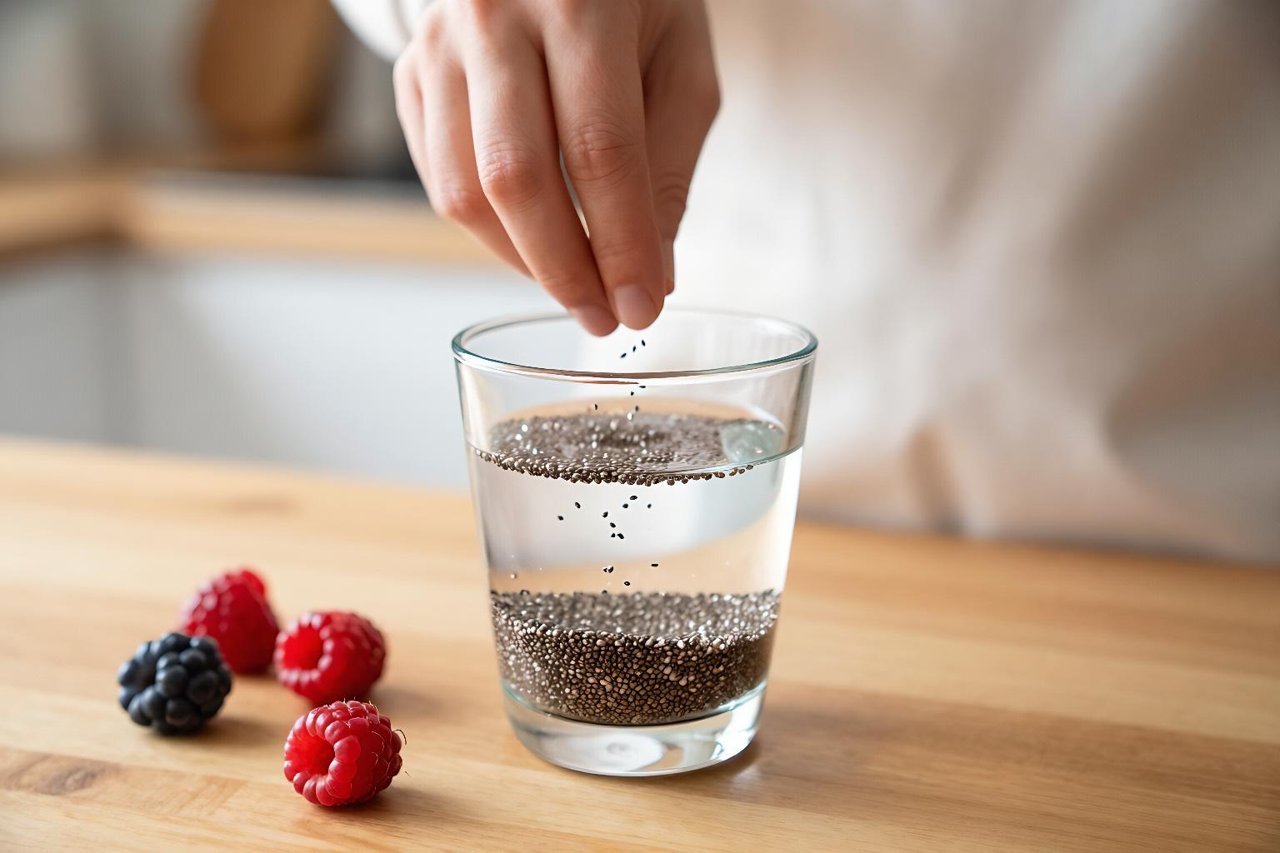
If you typed chia seeds for fiber: side effects into a search bar, you are probably not looking for a reason to avoid chia. You are trying to figure out why two tablespoons of something sold as a health food left you bloated, gassy, or running for the bathroom. That reaction is common, and it usually has a simple explanation: chia is extremely high in fiber, and fiber changes how your gut behaves.
A two-tablespoon serving of chia seeds packs about 10 grams of fiber, plus 4 grams of protein and 5 grams of plant-based omega-3s. For a tiny seed, that is a lot. If your usual breakfast is toast and coffee, adding 10 grams of fiber in one go is like asking your digestive system to run a 5K without training.
Why chia seeds can bother your gut even though they seem healthy
Chia is roughly one-third fiber by weight. Most of that is soluble fiber, which forms a gel when it meets water. That gel is useful: it softens stool, slows digestion, and helps you feel full. It also becomes food for gut bacteria, and well-fed bacteria produce gas. A little gas is normal. A lot of gas, cramping, and bloating means you increased fiber faster than your gut could adapt.
The texture matters too. Soaked chia is slippery and easy to swallow. Dry chia is tiny and absorbent. It can swell in your throat or esophagus, which is why the dry-spoonful approach is a bad idea. The side effects of chia seeds for fiber are mostly mechanical and digestive, not mysterious.
The most common side effects
- Bloating and gas. This is the big one. Your gut bacteria ferment soluble fiber and release gas. If you are not used to 10 grams of fiber at once, expect some pressure and rumbling for a few days.
- Cramping. Larger servings can cause mild abdominal cramps, especially if you eat chia quickly or with too little fluid.
- Constipation. This sounds backwards, but fiber without enough water can make stool harder. Chia absorbs many times its weight in liquid. If you add chia and not water, you can create a traffic jam.
- Loose stools or diarrhea. Some people respond to a sudden fiber increase with looser stool, particularly if they also use other fiber supplements or sugar alcohols.
- Feeling stuffed or mildly nauseated. Chia gel is filling. A large serving before a workout or on an empty stomach can sit heavy.
Most of these settle within three to seven days as your gut adjusts. They do not settle if you keep increasing the dose while ignoring the symptoms.
The hydration mistake that causes most problems
Chia can absorb roughly 10 times its weight in water. One tablespoon of dry seeds can turn into a thick gel. If you eat that tablespoon dry and chase it with a sip of coffee, you are asking for trouble. The seeds may clump, expand, and slow things down.
Soak chia before eating it. A simple ratio is one tablespoon of chia to six tablespoons of water, milk, or yogurt. Stir after five minutes to break up clumps, then wait another 10 to 15 minutes. Overnight chia pudding is even easier because the seeds have hours to hydrate. If you stir chia into oatmeal or a smoothie, add an extra splash of liquid and drink water with the meal.
What soaked enough looks like
Properly soaked chia looks like a thick, even gel with no dry pockets. If you see dry seeds stuck to the spoon or clumps in the middle, add more liquid and stir again. This is not fussy food styling. It is the difference between a gentle fiber source and a gut bomb.
Rare but serious risks worth knowing
Choking and swallowing trouble
Dry chia can swell in the throat. Case reports describe choking and esophageal blockage, especially in people with swallowing disorders, narrowed esophagus, or a history of eating dry spoonfuls quickly. If you have dysphagia or a known esophageal stricture, avoid dry chia entirely and ask your doctor whether soaked chia is safe.
Intestinal blockage
Intestinal blockage from chia is rare, but it has been reported. It is more likely with very large amounts, inadequate fluid, or a digestive tract that is already narrowed from surgery, inflammation, or a stricture. Severe abdominal pain, vomiting, swelling, and an inability to pass gas or stool are emergency signs, not wait-and-see symptoms.
Allergy
Chia allergy is uncommon but possible. Watch for hives, itching, lip swelling, wheezing, or throat tightness. If you have had reactions to other seeds, introduce chia in a small amount and pay attention. A severe reaction needs urgent medical care.
Who should be more cautious with chia seeds for fiber
- People with IBS or IBD. Chia may be fine for some and triggering for others. Start with a teaspoon and track symptoms rather than assuming a healthy food is automatically safe for your gut.
- Anyone with a history of bowel strictures or abdominal surgery. Ask your doctor before adding concentrated fiber.
- People with swallowing disorders. Soaked chia only, and only with medical clearance.
- People on diabetes or blood pressure medication. Chia can modestly affect blood sugar and blood pressure. Monitor if you take medication that already lowers either one.
- Anyone taking medication on a tight schedule. Fiber can affect how quickly some drugs are absorbed. Ask a pharmacist about spacing, especially for thyroid medication, diabetes medication, or drugs with a narrow therapeutic window.
How to get the fiber without the side effects
The goal is not to eat as much chia as possible. The goal is to add fiber in a way your gut can handle. Start with one teaspoon per day for three or four days. If that sits well, move to one tablespoon. Keep that dose for a week before increasing again. Most people do well with one to two tablespoons daily, not four or five.
- Soak chia before eating it, every time.
- Drink a glass of water with each serving and more throughout the day.
- Spread chia across meals instead of eating a large dose at once.
- Do not stack chia with psyllium, fiber gummies, or a new high-fiber diet all in the same week.
- Chew well and eat slowly, especially with chia pudding or smoothies.
Chia seeds vs. fiber supplements: different side effect profiles
Chia is a whole food, so it comes with water-binding fiber, protein, minerals, and fat. A fiber supplement is concentrated fiber, often without the same food matrix. That does not make one automatically better, but the side effects can differ. If you are weighing chia against a powdered supplement, this comparison of fiber supplements versus dietary fiber and which is more likely to backfire is a practical place to start.
How much chia is reasonable?
One tablespoon of chia has about 5 grams of fiber. Two tablespoons have about 10 grams. Most adults need 25 to 38 grams of fiber daily, so chia is a useful piece of the puzzle, not the whole puzzle. A tablespoon in yogurt, another in oatmeal, and vegetables at dinner can add up without turning breakfast into a fiber challenge.
More chia is not automatically better. If you jump from 15 grams of fiber a day to 35 grams in one week, you will probably feel it. Increase total fiber gradually, and increase water along with it.
When to stop and call a doctor
Mild gas and bloating are annoying but common. Severe symptoms are different. Stop eating chia and seek medical care if you have severe abdominal pain, repeated vomiting, a swollen belly, an inability to pass stool or gas, trouble swallowing, or signs of an allergic reaction such as wheezing or throat tightness. If you have a known bowel condition, talk to your doctor before making chia a daily habit.
A two-week ramp-up that usually avoids trouble
Days 1 to 3: one teaspoon of soaked chia with breakfast. Days 4 to 7: one tablespoon of soaked chia, still with breakfast. Week 2: one tablespoon at breakfast and one teaspoon later in the day if your gut feels calm. Keep water nearby and do not add a second fiber supplement during this test period. If you reach two tablespoons daily with no symptoms, that is a reasonable ceiling for most people. If you stall at one tablespoon because of gas, stay there. One tablespoon of chia still gives you about 5 grams of fiber, and that is a useful contribution without the discomfort.
