 1-800-656-4211




Blog
Boron Supplements: Real Benefits, Honest Side Effects, and How Much Is Too Much

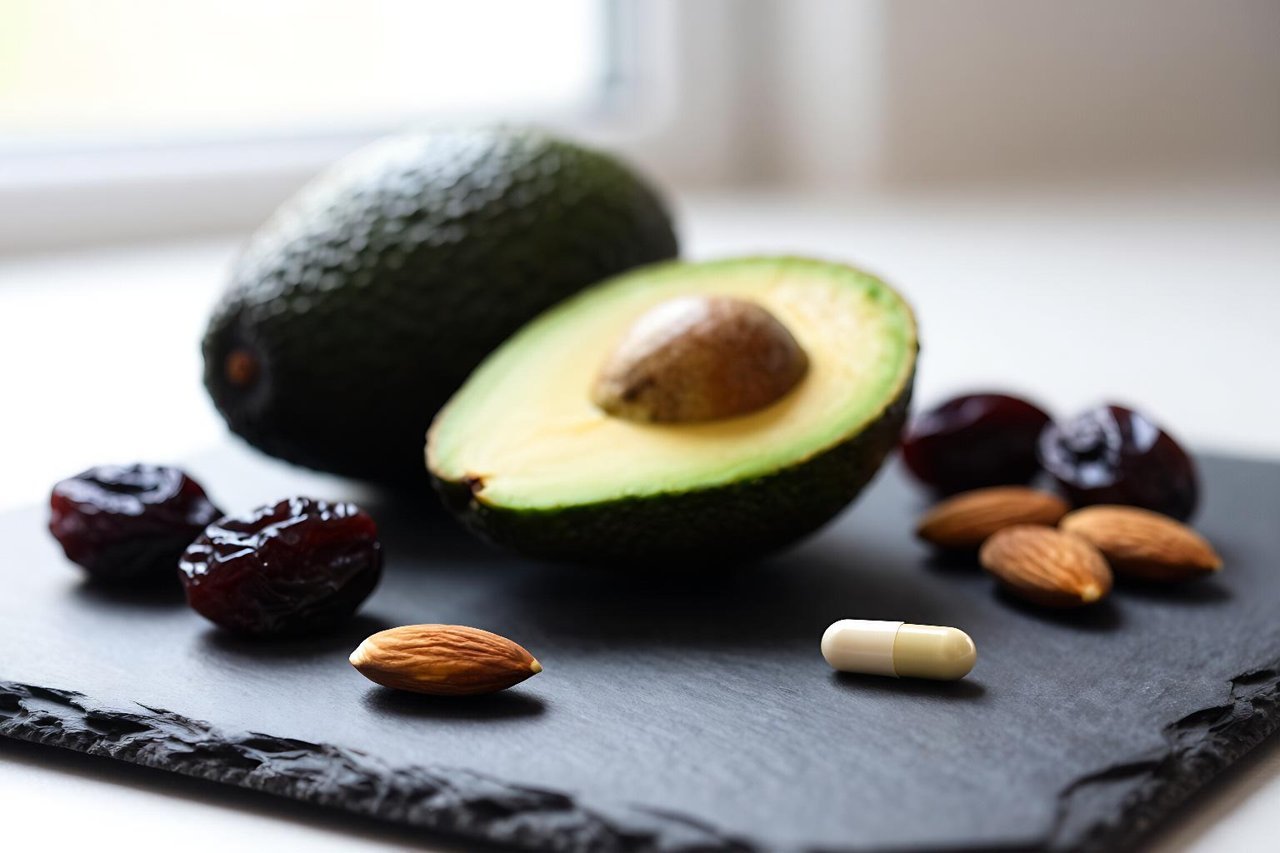
Boron gets about as much attention as the spare tyre in your boot. There is no official recommended daily intake, no celebrity endorsement, and most multivitamin labels squeeze it in somewhere near the bottom in 0.5 mg doses. Yet the research on this trace mineral is more interesting than its reputation suggests, and the gap between the helpful dose and the harmful one is narrower than most people assume. Here is what the evidence actually supports, where it thins out, and how to use boron without overdoing it.
What boron does once it is inside you
You absorb roughly 85 to 90 percent of the boron in food and supplements, mostly as boric acid, and your kidneys clear it out with a half-life of about 21 hours. That short cycle is why boron needs to be taken consistently to do anything at all.
Inside the body it does not build bone or muscle directly. It behaves more like a switchboard operator, influencing how enzymes handle steroid hormones, how tightly calcium and magnesium are retained, and how long vitamin D stays active in the bloodstream. Total body stores are tiny, somewhere in the region of 3 to 20 mg depending on your diet.
Boron supplement benefits: what the research actually supports
Bone health and mineral retention
The modern interest in boron started with a 1987 study by Forrest Nielsen and colleagues at the US Department of Agriculture. Postmenopausal women were put on a diet that deliberately restricted boron, then given 3 mg a day. Supplementing cut their urinary losses of calcium by around 40 percent and magnesium by about a third, and pushed their oestradiol and testosterone levels upward. It was a small, short study, but the calcium finding has held up in later reviews.
That matters because losing less calcium in your urine is a different thing from building denser bone. If you are trying to interpret boron supplement benefits honestly, the fairest reading is that boron appears to help your body hold onto the minerals bone needs, not that it reverses osteoporosis. Anyone selling it as a bone drug is overselling.
Hormones: testosterone and oestradiol
This is the claim that drives most of the online interest, usually from men in their forties. A small trial of eight healthy men found that 10 mg of boron daily for a week raised free testosterone and lowered oestradiol, with the free testosterone figure moving by roughly a third. A separate study in postmenopausal women reported similar directional shifts.
Eight men for seven days is not a body of evidence. It is a signal worth following up, and so far nobody has run the large, long, placebo-controlled trial that would settle it. If you are considering boron for libido or gym performance, treat it as an inexpensive experiment rather than a proven intervention.
Joint comfort
Most of the joint research uses calcium fructoborate, a plant-derived boron-sugar complex sold under names like FruiteX-B. A 30-day pilot in adults with knee discomfort reported modest improvements in stiffness and flexibility scores. The trials are small and several were funded by the ingredient manufacturer, so keep your expectations calibrated. It is not in the same league as a trial of glucosamine, and that is saying something.
Vitamin D and magnesium
Boron appears to extend the half-life of vitamin D in the body and to reduce magnesium loss. If you take a D3 supplement and your blood levels never budge, boron is one of several nutrients worth looking at, alongside magnesium and vitamin K2. Again, the evidence is mechanistic and small-scale rather than definitive.
Where boron comes from in food
Most adults in Europe and North America take in between 1 and 2 mg a day, with higher intakes in regions where fruit and wine consumption is heavier. You do not need a supplement to hit reasonable amounts if you eat these regularly:
- Avocado: a whole fruit delivers roughly 1 mg
- Dried fruit: prunes, raisins and dried apricots are dense sources
- Nuts: almonds, hazelnuts and peanut butter all contribute meaningfully
- Legumes: chickpeas and lentils, especially in hummus and stews
- Other: apples, pears, broccoli, potatoes, coffee and wine (yes, wine)
Side effects: the dosing tightrope
Boron is genuinely safe at food-level intakes, and the European Food Safety Authority considers 10 mg a day acceptable for adults. There is no official upper limit set by US authorities, which is not the same as there being no risk. Boron sits unusually close to its toxic threshold compared with most vitamins and minerals.
At moderate excess you might notice nausea, stomach cramps, loose stools, headaches or a skin rash. Boric acid, the same compound sold as a cockroach powder, is the form most often involved in accidental poisonings. An adult can die from roughly 15 to 20 grams; a small child from as little as 5 grams. That is a real gap, not a theoretical one, so keep any boron product out of reach and out of kitchen cupboards where it could be mistaken for something edible.
Who should be careful
Because boron is cleared by the kidneys, anyone with reduced kidney function should not self-prescribe it. The same caution applies during pregnancy and breastfeeding, where high doses have caused developmental and reproductive problems in animal studies and no safe supplemental level is established.
There is also a theoretical concern for people with hormone-sensitive conditions such as oestrogen receptor positive breast cancer or endometriosis, since boron shifts oestradiol levels. Theoretical is the right word, but if that describes you, talk to your oncologist before adding it.
One more warning that rarely makes the label: boron and boric acid products are toxic to dogs and cats. If you have a pet that investigates everything, store the bottle in a closed drawer.
Choosing a boron supplement that is worth taking
Doses in the research range from 3 mg to 10 mg a day. Commercial capsules are usually 3 mg, often as boron citrate or boron glycinate, both of which dissolve well. Calcium fructoborate is the form used in the joint studies. Boric acid is cheap and effective at killing insects, not something to swallow.
A few practical rules:
- Stay at or below 10 mg a day unless a doctor is supervising you
- Take it with a meal to reduce stomach upset
- Skip combination products that already stack boron with 15 other minerals, since you lose track of your total
- Look for third-party testing marks such as NSF or USP, because supplements are not reviewed for content before sale
- Expect to pay very little. A month at 3 mg costs a few pounds or dollars, and anyone charging a premium is selling marketing, not chemistry
How to tell whether it is doing anything
There is no routine blood test for boron status, so you have to judge by outcomes. Give it eight to twelve weeks before deciding. If you started because of joint stiffness, keep a simple weekly note of how you feel climbing stairs or getting out of a chair. If you started for bone support, the relevant marker is urinary calcium, which nobody measures at home, so the honest move is to mention boron to whichever clinician is managing your bone health and let them decide whether it belongs in the plan.
Two things will tell you more than any supplement review. First, whether your diet already supplies 1 to 2 mg a day from avocado, prunes, nuts and legumes, because if it does, a 3 mg capsule is topping up rather than filling a gap. Second, whether you have any of the cautions above. Kidney disease, pregnancy, or a hormone-sensitive condition means the calculation changes entirely, and no amount of online enthusiasm should override that.
