 1-800-656-4211




Blog
Sugar-Free Electrolytes Have Side Effects Too. Here’s What to Watch

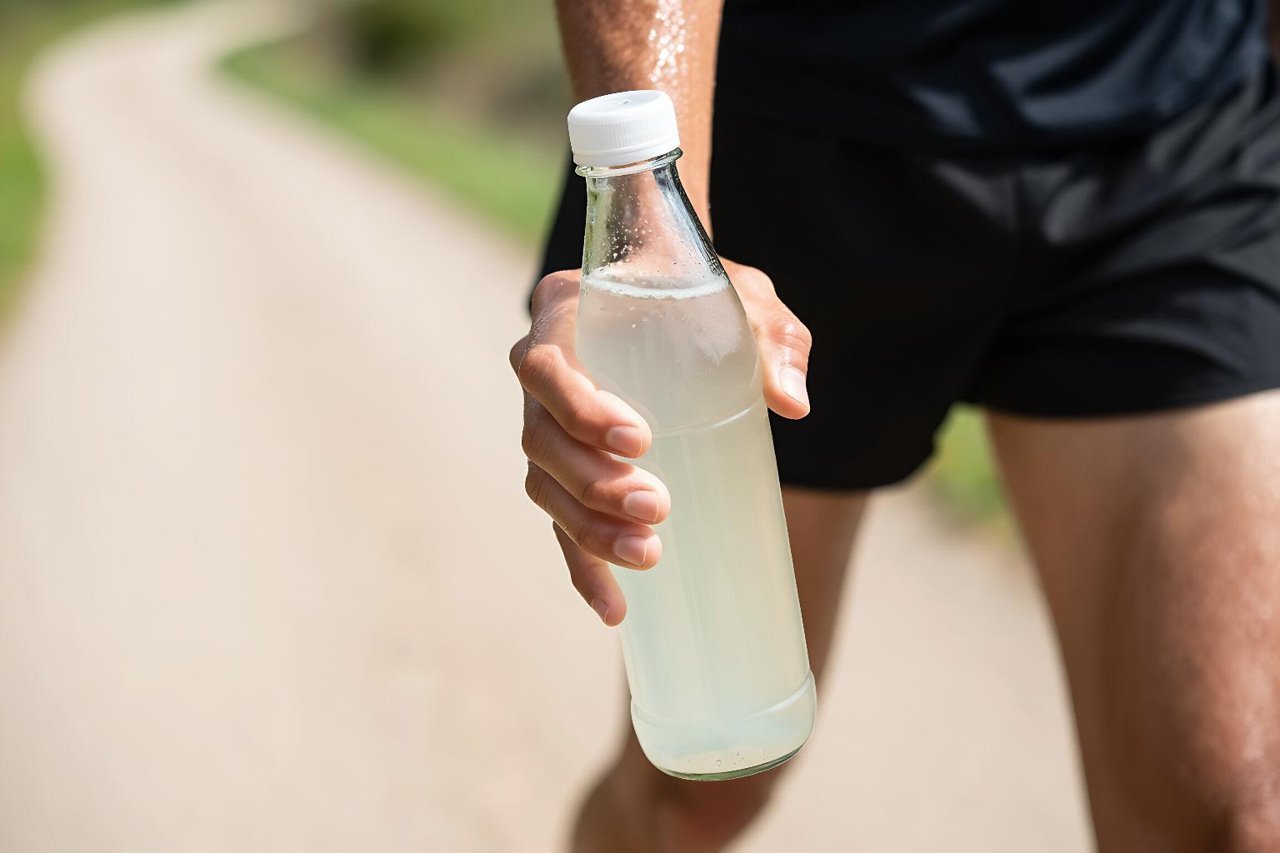
Electrolyte powders have moved from gym bags to desk drawers. Plenty of them now come with zero sugar, which sounds like a clean upgrade: you get sodium, potassium, and magnesium without the syrupy sweetness or calories. But if you’re weighing electrolytes without sugar, side effects deserve a closer look than most labels give them. The catch isn’t sugar. It’s everything else in the tub.
Most side effects from sugar-free electrolyte products come from three places: the mineral doses, the sweeteners and acids used to make them drinkable, and the amount of water you mix them into. Your health history matters too. A serving that feels great for a marathon runner can be a bad idea for someone with kidney disease or high blood pressure.
The side effects people notice first
Bloating, gas, and an urgent trip to the bathroom
Many sugar-free electrolytes use erythritol, maltitol, sorbitol, or a blend. Sugar alcohols aren’t sugar, but your gut bacteria still ferment them. At high doses, erythritol has been linked to bloating and diarrhea; maltitol and sorbitol are even more notorious. A single electrolyte stick usually contains far less than the 20–50 grams that tends to trigger problems, but “usually” isn’t “never.” If you’re sensitive, or you drink three sticks a day, you may feel it.
Some products use stevia or monk fruit instead. Those are less likely to cause gas, though stevia can taste bitter to some people and, in rare cases, bother digestion. Citric acid and flavorings can also irritate a sensitive stomach, especially on an empty one.
A salt load that sneaks up on you
Sodium is the main electrolyte in sweat, and many sugar-free mixes load up on it. A typical stick might deliver 500 to 1,000 milligrams. That’s useful after two hours of hot yoga or a long run. It’s less useful if you’re sitting at a desk and already eating packaged food, takeout, and deli meat. Too much sodium can leave you feeling puffy, thirsty, or headachy. For people who are salt-sensitive, it can nudge blood pressure upward.
Check the label against your day, not just against the workout. If your meals already contain 3,000 milligrams of sodium, adding another 1,500 from drinks is a lot. If you sweat heavily and eat mostly whole foods, that same dose might be reasonable.
Magnesium that works a little too well
Magnesium oxide and magnesium citrate are common in electrolyte blends because they’re cheap. They’re also laxatives at higher doses. A product with 200 to 400 milligrams of magnesium citrate can loosen stools, cause cramping, or send you running for the bathroom. Magnesium glycinate and magnesium malate tend to be gentler. If a label doesn’t name the form, assume it’s the inexpensive kind until proven otherwise.
Potassium is the one to take seriously
Potassium gets less attention than sodium, but it can be riskier. The mineral helps nerves and muscles work, including the heart. Too much in the blood, called hyperkalemia, can cause palpitations, muscle weakness, and dangerous heart rhythms.
Healthy kidneys usually clear extra potassium without drama. The math changes for people with chronic kidney disease, anyone taking ACE inhibitors or ARBs for blood pressure, people on potassium-sparing diuretics, and some transplant patients. For them, a “just hydration” electrolyte stick with 500 milligrams of potassium is not a trivial add-on. It’s a dose that should be cleared with a doctor.
Even without those conditions, stacking a potassium-rich electrolyte drink with bananas, potatoes, beans, and a daily multivitamin can push intake higher than you realize. More is not better.
Can sugar-free electrolytes make you feel worse?
Sometimes yes, and the reason is concentration. Powder sticks are designed for a specific volume of water, often 12 to 16 ounces. Drop one into 8 ounces and you get a salty, acidic shot that can trigger nausea or stomach cramps. Dilute it in 24 ounces and it may taste weak but sit better.
There’s another scenario: drinking large volumes of water with a low-sodium electrolyte drink during long exercise. That can dilute the sodium in your blood, a condition called hyponatremia. Symptoms include headache, confusion, nausea, and fatigue. It’s uncommon in everyday life, but it happens in endurance events when people drink aggressively for hours. A sugar-free electrolyte with meaningful sodium helps, but it doesn’t cancel out overdrinking.
Also, “sugar-free” means no quick carbohydrate. For a hard workout, that can mean less fuel and a flatter finish. That’s not a side effect of the minerals, but it’s a practical trade-off.
Who should be extra careful
- People with kidney disease or a history of kidney stones. Potassium, sodium, and magnesium all depend on kidney function.
- Anyone with heart failure or uncontrolled high blood pressure. High-sodium products can work against medical advice.
- People taking blood pressure or heart medications. ACE inhibitors, ARBs, and potassium-sparing diuretics can raise potassium levels.
- Pregnant or breastfeeding women. Fluid and electrolyte needs change; ask a clinician before using daily supplements.
- Children and teens. Adult electrolyte doses aren’t sized for smaller bodies. Use pediatric guidance.
- Anyone with IBS or a sensitive gut. Sugar alcohols and acidic flavorings are common triggers.
Label details that predict trouble
Before you buy, scan for four numbers and one word. The numbers are sodium, potassium, magnesium, and serving size. The word is the sweetener.
- A 16-ounce serving with 1,000 milligrams sodium is a heavy sweat replacement, not an all-day drink.
- Potassium above 500 milligrams per stick deserves a second look if you have any heart or kidney risk factors.
- Magnesium citrate or oxide at 300 milligrams or more is likely to affect your bowels.
- Erythritol, maltitol, and sorbitol are the usual suspects for gas and bloating.
Also check whether the label says “mix with 16 ounces of water” and then lists a serving as half a stick. Serving-size games are common. And if you take lithium, diuretics, or blood pressure medication, run the product past a pharmacist. They can spot interactions faster than a label can.
How to use them without inviting side effects
Start with half a serving, especially if you’re new to electrolyte powders. Mix it in the full amount of water listed, and sip it over 30 to 60 minutes instead of chugging it. If you feel bloated or rushed to the bathroom, switch to a product with stevia or monk fruit and magnesium glycinate.
Use electrolyte drinks when you have a reason: intense sweating, heat, illness with vomiting or diarrhea, or a long day of physical work. For ordinary desk days, water and regular meals usually cover the gap. If you’re training hard and sweating salty, a higher-sodium option makes more sense than a low-sodium one.
Keep an eye on how you feel over a week. Note digestion, thirst, swelling in your hands or ankles, headaches, and energy. If you have high blood pressure, check your readings at home. Those simple observations tell you more than a marketing claim ever will.
And if you have kidney disease, heart failure, or take medications that affect potassium, don’t guess. Ask your doctor which electrolyte product, if any, fits your labs and your medicines. A sugar-free label is not a safety badge. It’s just a starting point.
