 1-800-656-4211




Blog
Algae Oil vs Fish Oil: Side Effects, Compared Honestly

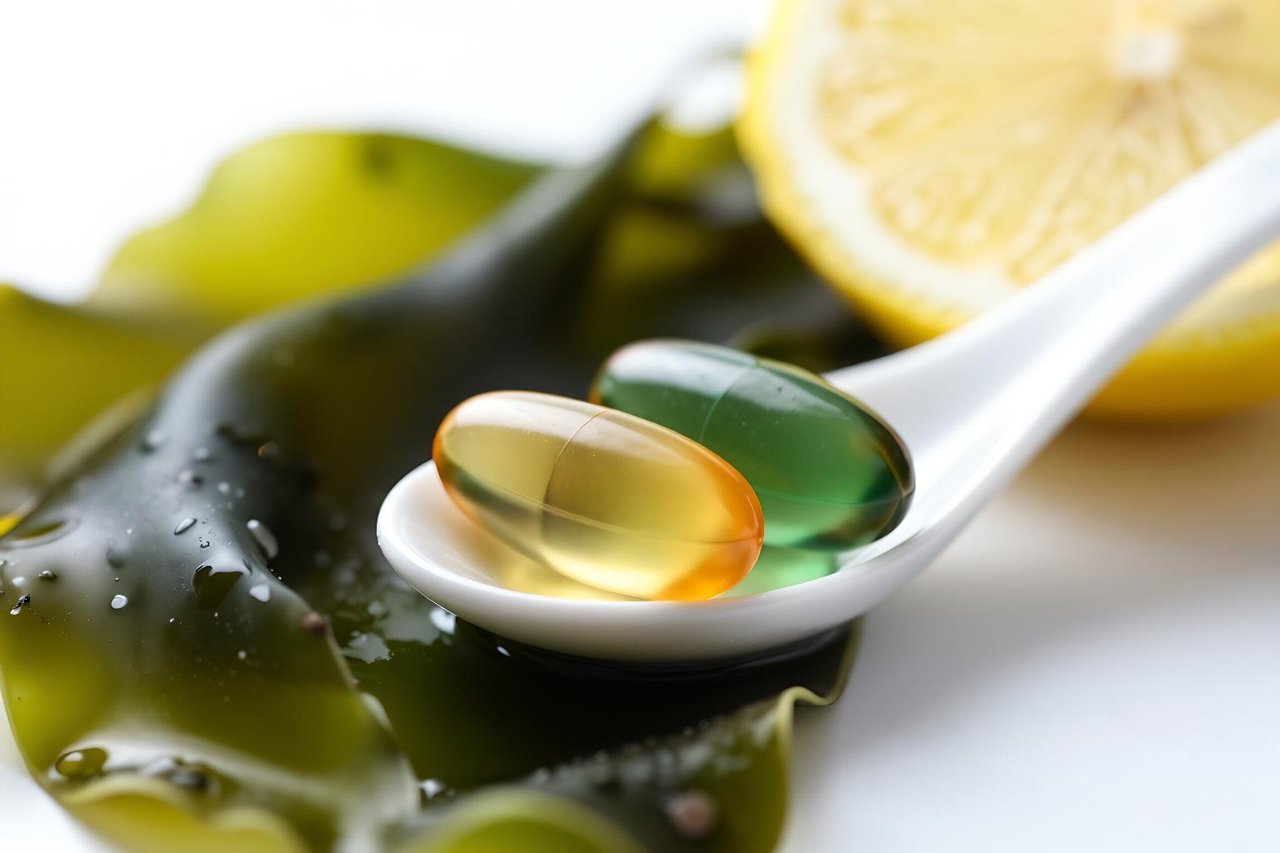
Most people can take either algae oil or fish oil without drama. The trouble starts when a capsule repeats on you at 9 a.m., a routine blood test shows easy bruising, or a label promises 1,000 mg omega-3 and delivers far less. The algae oil versus fish oil side effect question is not a simple contest. The two oils share the same active fats, DHA and EPA, so they also share some risks. The differences show up in aftertaste, digestion, allergy risk, and how carefully the oil is purified and protected from going rancid.
The Side Effects People Actually Notice
Both oils are generally well tolerated. The most common complaints are digestive: fishy burps, reflux, nausea, loose stools, and a taste that lingers. These effects tend to track dose and freshness more than the source. A small 500 mg capsule taken with dinner is a different experience from three 1,000 mg capsules on an empty stomach. High daily doses, often above 3 g of combined EPA and DHA, are more likely to loosen stools or cause indigestion.
Fish Oil Side Effects: What to Watch For
Fishy burps and reflux
Fish oil comes from anchovies, sardines, mackerel, and other marine fish. Even after refining, some people notice a fishy taste within 30 minutes of swallowing a capsule. Enteric-coated capsules can help by delaying release until the intestine. Taking fish oil with a meal that contains fat, or keeping capsules in the freezer, reduces the repeat for some people. It does not work for everyone.
Digestive upset
Nausea, indigestion, and diarrhea are the classic fish oil complaints. They are more likely with large single doses or cheap oils that have started to oxidize. If a bottle smells sharply fishy when you open it, or the capsules are sticky and clumped, the oil may be rancid. Oxidized oil is not just unpleasant. It can worsen burping and stomach upset.
Blood thinning and bruising
EPA and DHA affect platelet function, so high-dose fish oil can slightly increase bleeding risk. This matters most for people taking warfarin, apixaban, rivaroxaban, aspirin, or clopidogrel. Some surgeons ask patients to stop fish oil 1 to 2 weeks before elective surgery. A bruise here and there is common. Nosebleeds that take a long time to stop, blood in stool, or an unusual headache need medical attention.
Contaminants and allergies
Poorly purified fish oil can contain mercury, PCBs, or dioxins, though reputable brands test and refine these out. Fish allergies are another issue. Highly refined fish oil may contain little protein, but people with severe fish allergy should ask a clinician before trying it. Krill oil is not a safe swap for someone with shellfish allergy.
Algae Oil Side Effects: What to Watch For
Digestive trouble still happens
Algae oil is not a free pass for sensitive stomachs. It contains the same DHA and EPA, and high doses can cause nausea, loose stools, or abdominal cramps. The capsules also contain carriers and softgel ingredients such as glycerin, starch, carrageenan, or sorbitol. A rare sensitivity to one of those excipients can cause gas or bloating.
Less fishy aftertaste, but not zero
Algae oil often wins on burps because it does not start with fish. Many people notice a mild seaweed or neutral taste instead of a marine repeat. Some brands still produce a fishy aftertaste, especially if the oil has oxidized or the capsule coating breaks down early. Freshness matters as much as source.
Bleeding risk is similar
Algae oil raises omega-3 levels in the same way fish oil does. At high doses, it can have the same mild effect on clotting. Anyone on anticoagulants or antiplatelet drugs should treat algae oil with the same caution as fish oil. Do not assume plant-based means no drug interactions.
Contaminants and excipients
Algae is grown in controlled tanks, so algae oil usually has a lower risk of ocean pollutants like mercury and PCBs. That is a real advantage for people who eat a lot of fish or worry about contaminated seafood. Quality still varies. Algae oil can oxidize, and capsules can contain allergens or additives. Check the label for soy, gluten, gelatin, and carrageenan if those matter to you.
Algae Oil vs Fish Oil: Side Effects Compared
- Fishy burps: More common with fish oil. Algae oil often causes less aftertaste, but not always.
- Stomach upset: Similar for both. Dose, freshness, and taking the capsule with food matter more than the source.
- Bleeding risk: Similar at high doses. Both need caution with blood thinners and before surgery.
- Contaminants: Fish oil depends on purification. Algae oil avoids ocean pollutants but can still go rancid.
- Allergies: Fish oil is riskier for people with fish allergy. Algae oil may suit them better, though capsule ingredients need checking.
- Cost and dose: Algae oil often costs more per gram of EPA and DHA, so people may take more capsules, which can increase digestive side effects.
Who Might Tolerate One Better?
People with fish allergies
For someone with a fish allergy, algae oil is usually the more sensible starting point. Check the capsule shell and any added ingredients. Vegan softgels may use carrageenan or modified starch, which can bother a small number of people.
People with reflux or fishy burps
If fish oil repeats on you, an enteric-coated fish oil or a low-dose algae oil is worth trying. Take it with the largest meal of the day. Keep the bottle cool and tightly closed.
People on blood thinners
Neither oil is automatically safer. Ask a pharmacist or doctor about the combined effect of your medication and the dose you plan to take. Bring the actual bottle so they can see the EPA and DHA amounts, not just the total oil weight.
Vegetarians and vegans
Algae oil fits a plant-based diet and avoids fish allergy concerns. The trade-off is often price and capsule count. Look for one that states combined EPA and DHA per capsule.
How to Reduce Side Effects From Either Oil
- Start with 250 to 500 mg of combined EPA and DHA daily, then increase if needed. Do not start with a handful of capsules.
- Take the capsule with a meal that contains fat, such as eggs, avocado, or olive oil. This improves absorption and reduces nausea for many people.
- Split the dose across two meals if you need more than 1 g per day.
- Choose a product with third-party testing, such as USP, NSF, or IFOS. Freshness matters more than a fancy label.
- Store in a cool, dark place. Refrigerate after opening if the label says so.
- Stop and reassess if you develop persistent heartburn, diarrhea, or unusual bruising.
The FDA considers up to 3 g per day of combined EPA and DHA generally safe for most adults. Higher doses should be supervised. If you take a blood thinner, have a bleeding disorder, or are scheduled for surgery, set the dose with your clinician rather than guessing from the bottle.
Reading the Label Without Getting Fooled
A bottle that says 1,000 mg fish oil may contain only 300 mg of EPA and DHA. Algae oil capsules often contain 100 to 200 mg of DHA, sometimes with a little EPA. Compare the combined EPA plus DHA per capsule, not the total oil weight. If you need 1,000 mg per day, you might take two to five capsules depending on concentration. That pill count is a common reason people quit. Look for a harvest or expiration date, a batch number, and a certificate of analysis. A strong fishy smell after opening is a warning sign. So is a capsule that leaks or sticks together in the bottle.
When a Side Effect Warrants a Call
Most side effects are mild and settle within a week or two. Call a doctor if you have black or bloody stools, vomiting, severe abdominal pain, a nosebleed that will not stop, or bruising that appears without a clear cause. Stop the supplement and seek urgent care for swelling of the face or throat, hives, or trouble breathing. Those are signs of an allergic reaction, not a normal omega-3 side effect.
