 1-800-656-4211




Blog
CoQ10 Supplement Benefits and Side Effects: What the Research Really Shows

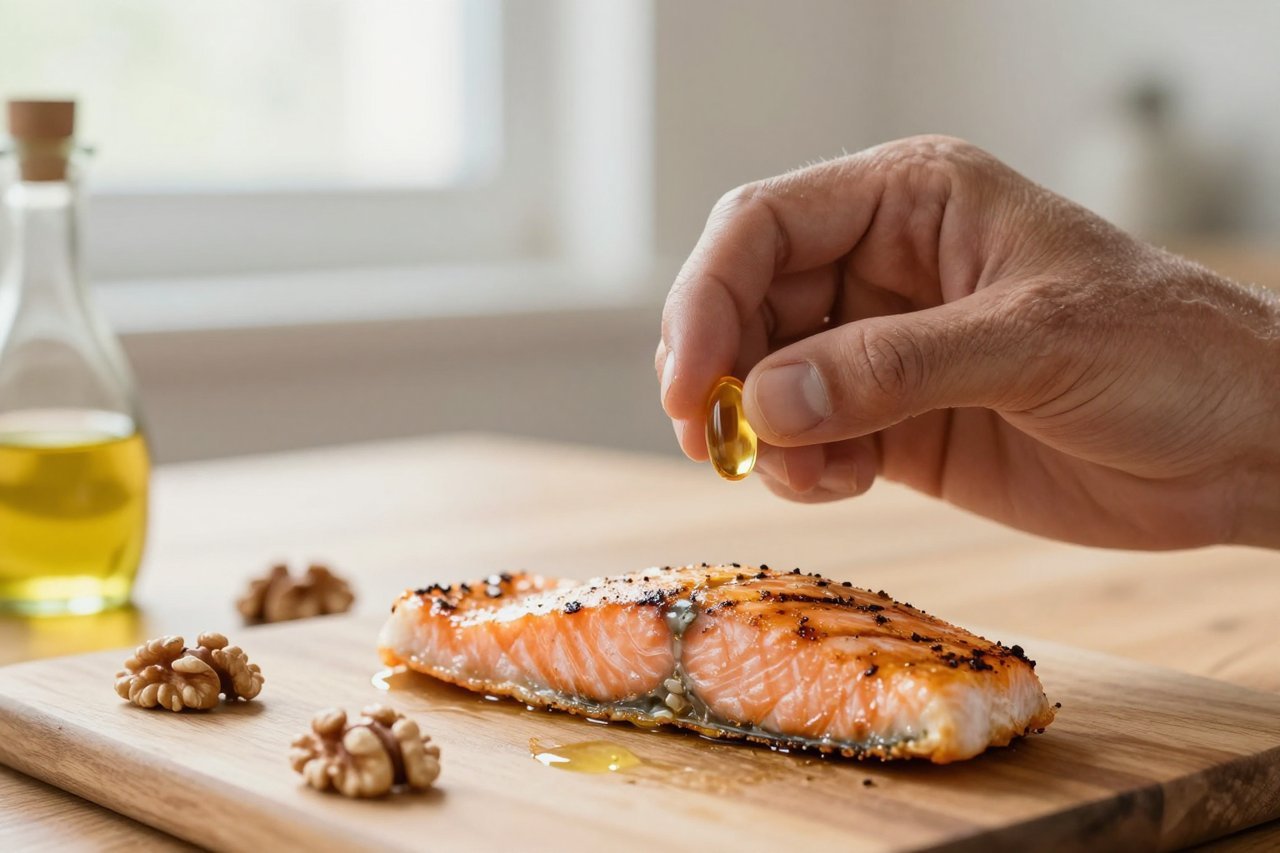
Somewhere between 5% and 20% of people who start a statin report aching thighs or heavy arms within weeks. Cardiologists have been arguing about coenzyme Q10 as a fix since the 1990s. The theory is tidy: statins block an enzyme that sits upstream of both cholesterol production and the body’s own CoQ10 synthesis, so pushing cholesterol down may drag CoQ10 down with it. Whether swallowing a capsule actually helps is a messier question.
CoQ10 has been studied in heart failure wards, sold in supermarkets, and debated in sports nutrition circles for thirty years. It also has a genuine side effect profile and a habit of interfering with drugs people take every single day. Here’s the honest version.
What CoQ10 does before you ever buy a bottle
Coenzyme Q10, or ubiquinone, lives inside the mitochondria of nearly every cell. Its day job is unglamorous and essential: it shuttles electrons between protein complexes in the energy-production chain, which is how your body turns food into ATP. Tissues that burn the most energy hold the most of it. Heart muscle ranks highest, followed by liver and kidneys.
Your body makes its own supply, and production peaks somewhere around age 20 before drifting downward. You also get small amounts from oily fish, organ meat and soybean oil, though nowhere near a therapeutic dose from food alone.
Two forms sit on the shelf. Ubiquinone is the oxidised version found in food and most cheap supplements. Ubiquinol is the reduced form, sold at roughly double the price with claims of superior absorption. Your body converts each into the other constantly, so the real-world gap is narrower than the marketing implies. Where the form does matter is delivery: dry powder in a hard tablet absorbs poorly, while an oil-based softgel does noticeably better.
Benefits with the strongest evidence behind them
Statin-related muscle pain
This is the reason most people search for CoQ10 in the first place, and the evidence is genuinely mixed. Several small randomised trials found that 100 to 200 mg a day reduced muscle pain severity and improved reported muscle performance in statin users. Others found no difference from placebo at all. Meta-analyses keep landing on “possibly helpful, probably harmless,” which is a fair description. If you are one of the people who aches on atorvastatin, a 90-day trial alongside your doctor’s blessing is a reasonable experiment.
Heart failure
The strongest single trial here is Q-SYMBIO, published in 2014. Researchers gave 420 patients with moderate to severe heart failure either 300 mg of CoQ10 daily, split into three doses, or a placebo for two years. The CoQ10 group had fewer major cardiac events and fewer deaths. That is a striking result for a cheap over-the-counter pill, and it has not been replicated at that scale since. Nobody is suggesting CoQ10 replaces beta blockers or diuretics. It sits alongside them, and only with a cardiologist involved.
Blood pressure
Pooled trial data shows average reductions of roughly 3 to 4 mmHg systolic in people with hypertension. That is not a treatment. It is the kind of nudge you might get from walking more or cutting back on salt, and it is worth knowing if you are already on blood pressure medication, because the effects add up.
Migraine frequency
Mitochondrial dysfunction is one proposed migraine trigger, which is why CoQ10 got tested. Adult trials using 300 mg a day (100 mg three times daily) showed modest reductions in migraine days, and a 2019 paediatric trial found similar results in children and teenagers. Other studies found nothing. It sits in the same evidence bracket as riboflavin and magnesium: low risk, occasionally useful, rarely dramatic.
Sperm and egg quality
Small human studies, typically 200 to 300 mg daily for three to six months, have reported improvements in sperm motility and count. Fertility clinic data on egg quality and IVF success is far thinner and largely inconclusive. Encouraging, not proven.
Claims that outrun the evidence
CoQ10 gets marketed for almost everything, and several of those claims have been tested properly and failed. A large National Institutes of Health trial gave Parkinson’s patients up to 1,200 mg a day for 16 months and found no slowing of disease progression. Trials for athletic performance in trained adults show little beyond placebo. Anti-ageing claims rest mostly on rodent data and theory. Cancer prevention? No supporting human trials of any weight.
The supplement industry has also pushed CoQ10 for statin-induced diabetes and for “reversing” statin damage generally. Neither holds up.
Side effects: what actually happens
CoQ10 is well tolerated by most people, which is why doses as high as 1,200 mg a day ran for over a year in clinical trials without safety signals. That does not mean nothing happens.
- Stomach upset and nausea are the most commonly reported issues. Taking the capsule with a meal containing fat solves this for most people.
- Loose stools or appetite changes show up occasionally in trials.
- Headache and dizziness are reported, usually mild and short-lived.
- Insomnia catches some people out. CoQ10 is structurally similar to a compound involved in alertness, and a minority find it keeps them awake. Take it before noon if that happens.
- Rare liver enzyme elevations have been documented. Worth flagging if you already have liver disease.
- Skin rash is uncommon but reported.
No official upper limit has been set, largely because no toxicity threshold has been found.
The interactions that matter more than the side effects
Warfarin is the big one. CoQ10 is structurally close enough to vitamin K that case reports describe INR dropping in people on warfarin after they started the supplement. If you take warfarin, do not start CoQ10 without telling the clinic managing your anticoagulation, and expect extra INR checks.
Other flags: blood pressure medication (additive lowering), insulin and other glucose-lowering drugs (CoQ10 may nudge blood sugar down further), and chemotherapy, particularly anthracyclines like doxorubicin. That last one is genuinely complicated. CoQ10 may protect the heart from doxorubicin damage, but as a strong antioxidant it could theoretically blunt the drug’s cancer-killing effect. Only your oncologist can weigh that. Stop CoQ10 at least two weeks before scheduled surgery, and skip it during pregnancy or breastfeeding unless a doctor signs off.
Buying and dosing without wasting money
Standard doses in the research run from 100 to 200 mg daily for general use, with 300 mg used under supervision in heart failure. Higher is not better; absorption plateaus.
Because CoQ10 is fat-soluble, take it with your largest meal of the day. Studies show absorption roughly doubles or triples when taken with dietary fat rather than on an empty stomach. Look for oil-suspended softgels rather than dry compressed tablets, and pick a brand with independent testing seals such as USP or NSF, since CoQ10 content in unverified products varies wildly. You do not need ubiquinol unless you are over 60 and find plain ubiquinone does nothing.
How to run a fair test on yourself
Most people who try CoQ10 give up in two weeks, which is too short to learn anything. Muscle and migraine effects, if they happen, tend to show up between weeks four and eight.
Pick one measurable outcome before you start. Rate muscle pain from 0 to 10 at the same time each day in a notes app. Count migraine days on a calendar. Log your blood pressure twice a week. Then take 100 to 200 mg daily with dinner for twelve weeks, change nothing else meaningful in that window, and review the numbers.
If nothing moved, stop for a month and watch whether things get worse. If they do, you have your answer. If they don’t, you have saved yourself about £20 a month and a cupboard full of softgels. Either outcome is more useful than the vague sense that it might be helping.
