 1-800-656-4211




Blog
Zinc Supplement Benefits and Side Effects: What the Research Actually Supports

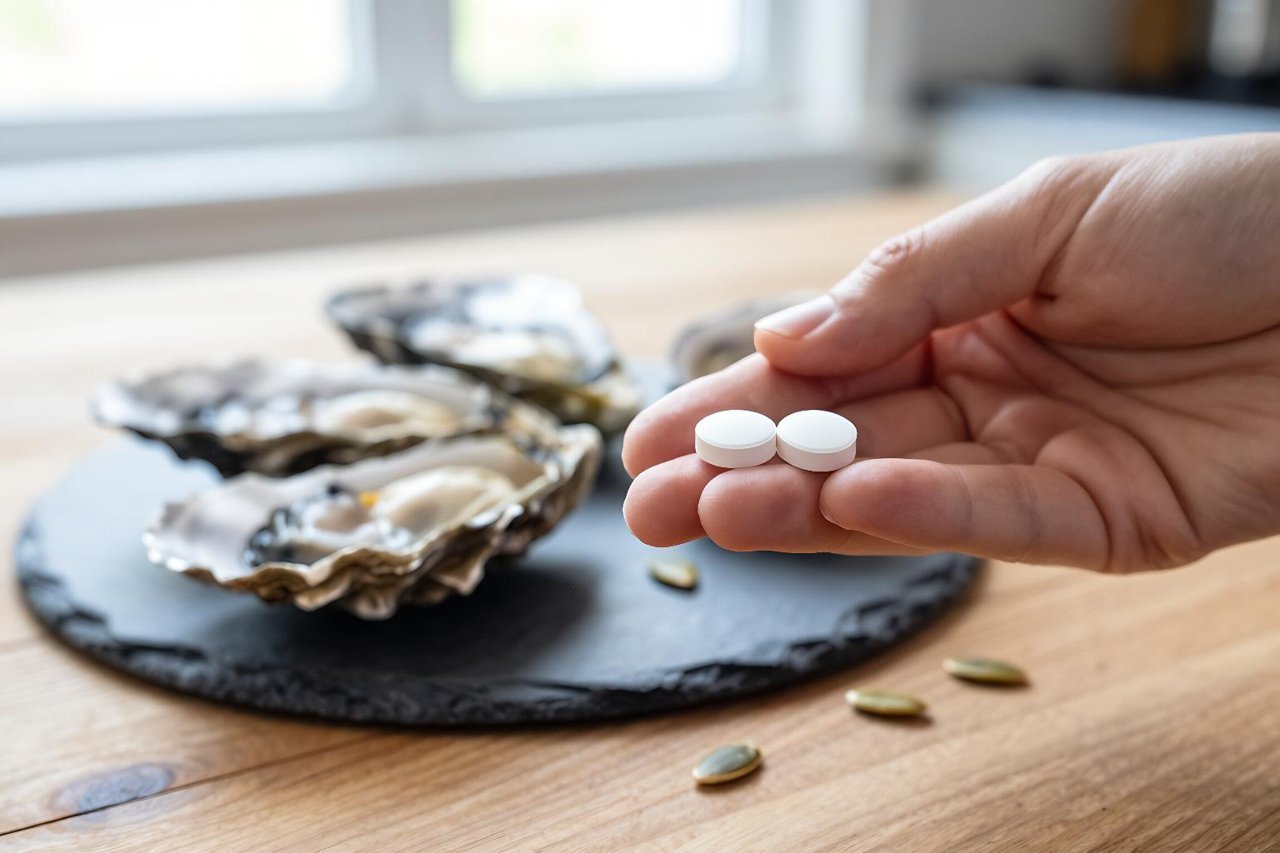
Most supplement drawers have a bottle of zinc rattling around near the back. It’s cheap, the tablets are small, and it gets pulled out the second a cold starts. That instinct isn’t wrong. But the gap between what zinc can realistically do and what people expect from it is wide, and the side effects are more common than the label suggests. A dose that shortens a sore throat on day one can have you hunched over a sink by day three, and taking 50 mg daily for a few months quietly drains copper in ways you won’t notice until a blood test does.
What Zinc Is Actually Doing Inside You
Zinc isn’t a niche nutrient. It’s a cofactor for more than 300 enzymes and involved in roughly 3,000 proteins, which is why deficiency shows up in such scattered ways: slow-healing cuts, dulled taste, thinning hair, frequent infections. Your body has no real storage depot for it, so you need a steady supply from food or a supplement.
The functions that matter most for anyone considering a supplement:
- Immune signalling. Zinc is required for T-cells to mature and function. Low status correlates with more frequent and longer infections.
- Wound repair. Collagen synthesis and skin cell turnover both depend on it. Surgeons have known for decades that deficient patients heal badly.
- Taste and smell. Zinc-dependent enzymes sit in the taste buds and olfactory tissue. Loss of appetite in older adults is sometimes a zinc problem in disguise.
- Hormones. It plays a supporting role in testosterone production and thyroid function, though it is not a testosterone booster on its own.
If your diet is solid and your gut absorbs normally, you probably don’t need a pill. If you’re vegetarian, pregnant, over 65, or managing a gut condition like Crohn’s, the odds of falling short go up considerably.
How Much Zinc You Need, and Where the Ceiling Sits
The recommended daily intake is 11 mg for adult men and 8 mg for women, rising to 11–12 mg during pregnancy and breastfeeding. A single 3-ounce serving of beef provides about 7 mg; six oysters can deliver more than 30 mg.
The tolerable upper limit for adults is 40 mg per day from all sources. That number matters because supplement tablets routinely come in 50 mg, and people swallow them daily for months without thinking about it. Therapeutic short courses are a different conversation from routine use, and the two get mixed up constantly.
Benefits With Reasonably Good Evidence Behind Them
Shortening a cold, if you start early
This is the best-studied use. Trials using zinc acetate lozenges at roughly 75 mg of elemental zinc per day, started within 24 hours of the first symptom, have shown cold duration cut by around a third in some studies. The catch is timing and formulation. Start on day three of symptoms and the effect largely evaporates; use zinc gluconate instead of acetate and results get patchy. Lozenges need to dissolve slowly in the mouth, not be chewed and swallowed, because the point is contact with the throat tissue.
People who get hit repeatedly every winter often pair this with other immune-focused approaches. Echinacea’s effect on cold duration and severity has been studied in a similar way, and the evidence is comparable: modest, real for some people, not a magic bullet.
Acne and inflammatory skin conditions
Oral zinc at 30 mg elemental per day has performed comparably to some standard acne antibiotics in small trials, usually over 8 to 12 weeks. It’s slower than prescription topicals and not a first-line treatment, but dermatologists do recommend it for inflammatory acne when someone wants to avoid antibiotics. Topical zinc formulations are far less impressive.
Antioxidant and mineral status tends to work together here. Goji berries and skin health is another area where the mechanism sounds promising and the human data is thinner than the marketing implies.
Childhood diarrhoea
The World Health Organization recommends 20 mg of zinc daily for 10 to 14 days in children with acute diarrhoea, and this is one of the few interventions with strong, repeated trial support. It shortens episodes and reduces recurrence. This is a clinical protocol, not a general wellness habit.
Testosterone and fertility
Zinc deficiency suppresses testosterone; correcting a deficiency restores it. That’s the honest summary. In men who are already replete, supplementing above requirement does not push levels higher. Sperm quality data is more encouraging, particularly in men with low zinc status. Pine pollen’s reported effects on hormones get discussed in the same circles, with similar caveats about small studies.
Side Effects That Catch People Off Guard
Zinc is generally well tolerated at normal doses, but the unpleasant reactions are specific and predictable.
- Nausea and stomach cramps. Almost always from taking it on an empty stomach. A 50 mg tablet on black coffee before breakfast is a reliable way to feel terrible within 20 minutes.
- Metallic taste. Common with lozenges, and one reason people abandon them mid-cold.
- Copper deficiency. The big one. Zinc and copper compete for absorption, and sustained intakes above 40–50 mg daily can cause anaemia and nerve symptoms over months. Anyone on long-term high-dose zinc should be monitored, and often supplemented with 1–2 mg of copper.
- Antibiotic interference. Zinc binds tetracycline and fluoroquinolone antibiotics and blocks their absorption. Separate them by at least two hours.
- Iron and calcium clashes. Take zinc apart from iron tablets and calcium supplements, and expect reduced absorption if you take it with a large dairy-heavy meal.
- Nasal zinc sprays. Linked to permanent loss of smell. The FDA issued a warning about this in 2009, and intranasal zinc products are best avoided entirely.
There’s also a practical absorption issue that rarely gets mentioned: phytic acid in whole grains, legumes, and seeds binds zinc and reduces uptake. Vegetarian diets need roughly 50% more zinc to compensate, which is why long-term plant-based eaters are a group where a modest 15 mg supplement makes sense.
Who Should Ask a Doctor First
Anyone taking penicillamine, antibiotics, or diuretics should check interactions before adding zinc. People with kidney disease need supervision because excretion is impaired. And if you’re considering the 80 mg dose used in the AREDS2 eye health formula, that’s a clinician-supervised regimen for a specific condition, not something to self-prescribe from a blog post.
Getting the Dose Right in Practice
For general maintenance, 15 mg of zinc citrate or picolinate taken with a meal is plenty for most adults, and it sidesteps the nausea problem. Zinc oxide is the cheapest form on the shelf and also the least absorbed, so the low price per milligram is misleading. For a cold, use acetate lozenges at 75 mg daily for no more than five to seven days, and stop once symptoms fade.
Watch the timeline. Two weeks of high-dose zinc during a bad winter is a reasonable trade. Six months of 50 mg because it seemed to help once is how copper deficiency stories start. If you’ve been on high-dose zinc for more than a couple of months and feel unusually tired or tingling in your hands, get copper and a full blood count checked rather than guessing.
The food route still beats all of it. Oysters, beef, pumpkin seeds, cashews, and dark chocolate cover the requirement without any of the competition issues, and they come with protein and other minerals attached. A supplement is a patch for a gap, not a replacement for the plate. Treat the bottle like a tool you pick up for a reason and put down again, and zinc will do exactly what it’s supposed to.
