 1-800-656-4211




Blog
Matcha Tea Benefits: Calm Energy, Antioxidants, and Metabolism Support

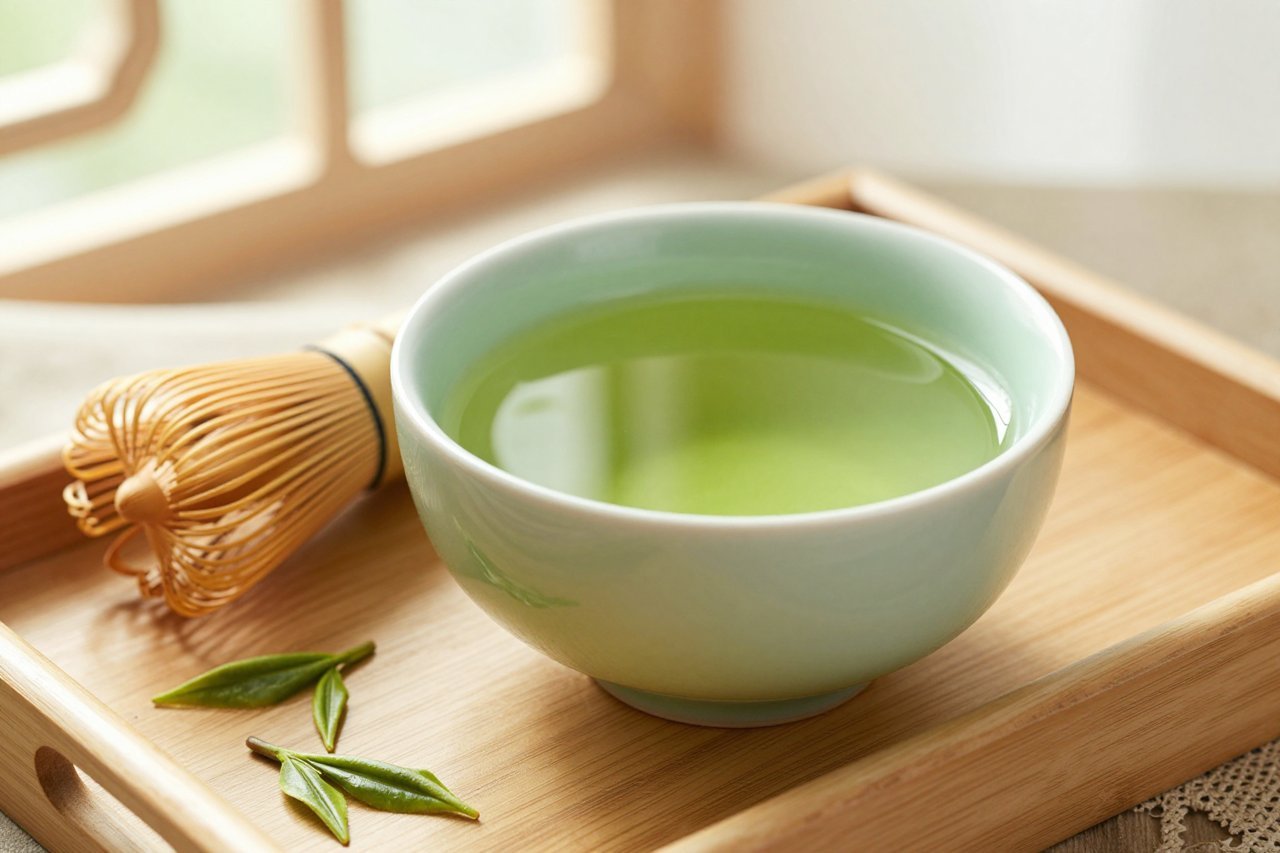
Matcha has gone from a niche Japanese tea ceremony staple to a mainstream health drink. You’ll find it in cafés, smoothie bars, and supermarket shelves, often with claims about energy, weight loss, and anti-aging. Some of those claims hold up. Others are marketing fluff. This article breaks down the real matcha tea benefits, what the research actually says, and how to make the most of your daily bowl.
What Makes Matcha Different From Steeped Green Tea
Matcha is made from shade-grown tea leaves that are steamed, dried, and ground into a fine powder. Instead of steeping leaves and tossing them out, you whisk the whole leaf into water and drink it. That means you consume everything the leaf contains: chlorophyll, fiber, vitamins, minerals, and a concentrated dose of antioxidants. A single bowl can deliver more catechins than a standard cup of steeped green tea because nothing is left behind.
The flavour is grassy, slightly bitter, and oddly sweet if you buy good quality. But the benefits go beyond taste. Because matcha is a whole-leaf product, the compounds work together in a way that isolated supplements can’t quite replicate.
If you want a deeper look at how this daily habit affects your body over time, there’s a good breakdown of matcha benefits and what a daily bowl really does for your body that’s worth reading alongside this article.
Antioxidants That Actually Matter
Matcha’s headline act is its antioxidant content, specifically a group of polyphenols called catechins. The most studied is epigallocatechin gallate, or EGCG. Lab studies show EGCG can neutralise free radicals, reduce inflammation, and influence cell signalling pathways linked to aging and disease.
One commonly cited measure, the ORAC value, puts matcha around 1,384 micromoles of Trolox equivalents per gram. That’s higher than blueberries, dark chocolate, and even regular green tea.
Why whole-leaf matters
When you steep green tea, only a fraction of the catechins end up in your cup. With matcha, you’re consuming the entire leaf, so the dose is significantly higher. That’s why matcha is often described as a concentrated form of green tea.
Focus Without the Jitters
Coffee gives you a spike and a crash. Matcha tends to feel different. The reason is a unique combination of caffeine and an amino acid called L-theanine. L-theanine promotes alpha brain waves, which are associated with relaxed alertness. It takes the edge off caffeine, smoothing out the stimulant effect.
A typical bowl of matcha made with one teaspoon (about two grams) contains roughly 60 to 70 milligrams of caffeine. That’s about a third of what you’d get from a large coffee. The caffeine arrives more gradually because you’re digesting the leaf, not just drinking an extract.
The calm-alert sweet spot
Many people report that matcha helps them focus for hours without the anxious, wired feeling that coffee can bring. It’s not a sedative, and it won’t put you to sleep. It’s more like a clear, steady mental state. If you’re sensitive to caffeine, start with half a teaspoon and see how you feel.
Metabolism and Weight Management
Green tea extract is a common ingredient in fat-burning supplements, and matcha contains the same active compounds. Some studies suggest that catechins combined with caffeine can slightly increase energy expenditure and fat oxidation, especially during exercise.
The effect is modest. You won’t lose weight just by drinking matcha, and anyone who claims otherwise is overselling it. But as part of a balanced diet and active lifestyle, a daily bowl may give your metabolism a small nudge. It’s also a satisfying replacement for sugary drinks, which is probably the bigger win.
For a realistic look at how a daily bowl fits into a healthy routine, the article on what a daily bowl of matcha really does for your body covers the practical side without the hype.
Heart Health and Cholesterol
Population studies from Japan have linked regular green tea consumption to a lower risk of cardiovascular disease. Matcha, being a concentrated form, may offer similar or stronger effects. Catechins can help lower LDL cholesterol and triglycerides, and they may improve blood vessel function.
One review of 14 randomised trials found that green tea catechins reduced total cholesterol and LDL cholesterol significantly compared to placebo. The participants typically drank several cups a day, so consistency matters. Matcha is an easy way to get a concentrated dose in one sitting.
Blood pressure support
Some research suggests green tea can modestly lower blood pressure, particularly in people with mild hypertension. The effect is not dramatic, but it’s another small piece of the puzzle.
Blood Sugar and Insulin Sensitivity
Matcha may help with blood sugar control. Several small studies have found that green tea polyphenols can improve insulin sensitivity and reduce blood sugar spikes after meals. This doesn’t mean matcha is a treatment for diabetes, but it could be a helpful addition to a diet that’s already low in refined carbohydrates.
One study of Japanese adults found that those who drank more green tea had a lower risk of developing type 2 diabetes. Again, association isn’t causation, but the mechanism is plausible and the safety profile is good.
Skin and Anti-Aging
Inflammation and oxidative stress are two major drivers of skin aging. The polyphenols in matcha fight both. Some research shows that drinking green tea can protect skin from UV damage and improve elasticity. Topical matcha masks are popular, but drinking it gives you systemic benefits that a mask can’t.
It’s not a magic wrinkle eraser. Think of it as one supportive habit among many, including sunscreen, sleep, and a diet rich in vegetables.
How to Get the Most From Your Matcha
Not all matcha is created equal. The cheapest powders are bitter, dull, and often cut with fillers. Good matcha is vibrant green, smells sweet and grassy, and comes from Japan, often from regions like Uji, Nishio, or Kagoshima. Ceremonial grade is best for drinking plain; culinary grade works for smoothies and baking.
- Water temperature: Use water around 70–80°C (158–176°F). Boiling water makes matcha bitter.
- Sifting: Sift the powder first to avoid clumps. A small strainer works fine.
- Whisking: Use a bamboo whisk (chasen) in a zigzag motion until foamy. A milk frother works in a pinch.
If you’re new to matcha, start with a latte or a smoothie to mask the bitterness while you adjust. As your palate shifts, you may find you prefer it plain. Many people find that the ritual itself (the whisking, the bowl, the quiet moment) becomes part of the benefit.
There’s more on building a sustainable habit in this guide to matcha benefits and why a daily bowl is worth it.
Who Should Be Careful With Matcha
Matcha is generally safe for most people, but a few caveats are worth knowing.
- Caffeine sensitivity: If coffee makes you anxious or keeps you up, matcha might too. Start small and avoid drinking it after 2 p.m.
- Iron absorption: The tannins in matcha can reduce iron absorption from plant foods. If you’re anaemic, drink matcha between meals rather than with iron-rich foods.
- Medications: Matcha can interact with blood thinners, stimulants, and some blood pressure drugs. Check with your doctor if you take prescription medication.
- Pregnancy and breastfeeding: Limit caffeine intake. One bowl a day is usually considered safe, but ask your healthcare provider.
Also, be wary of matcha supplements that promise extreme results. Whole-leaf matcha is food, not a drug. The benefits are real but gentle, and they build over time.
Making Matcha a Habit That Sticks
The best matcha routine is the one you’ll actually keep. For some people, that’s a bowl first thing in the morning, before the phone comes out. For others, it’s an afternoon pick-me-up that replaces a second coffee. You could also blend a teaspoon into a morning smoothie with banana, spinach, and almond milk, and the sweetness balances the grassiness.
If you’re used to drinking several cups of coffee a day, don’t quit cold turkey. Replace one cup with matcha and see how you feel after a week. Many people notice they’re less jittery, sleep better, and still get the focus they need.
The research on matcha tea benefits is promising but not miraculous. It’s a whole food with a unique combination of antioxidants, L-theanine, and moderate caffeine. Used consistently and sensibly, it can support your energy, your focus, and your long-term health. That’s a pretty good return for a few minutes of whisking.
