 1-800-656-4211




Blog
The Mighty Blueberry: Nutrition Benefits That Go Beyond the Hype

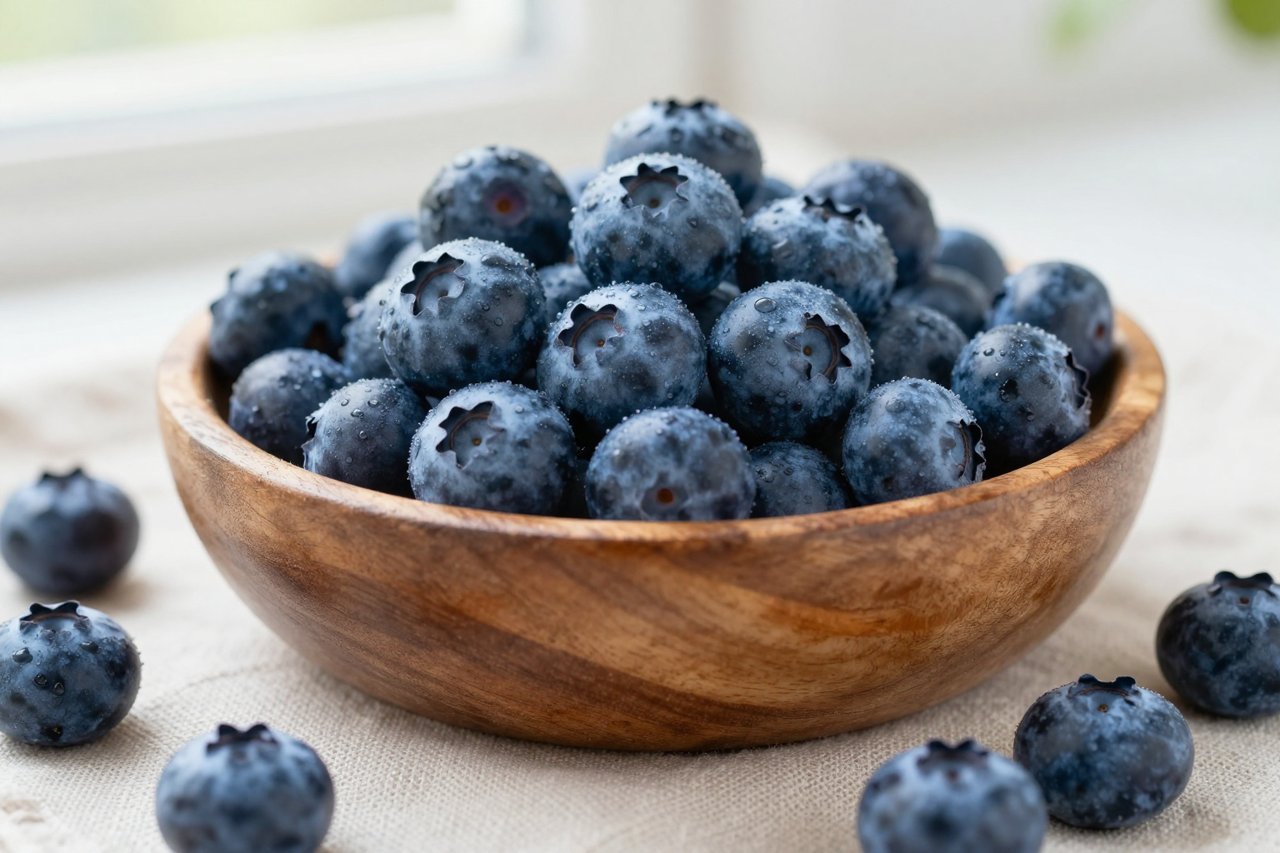
Blueberries might be small, but their reputation is anything but. Walk through any farmers market or scan the produce aisle, and you’ll notice these deep blue berries getting prime placement. That’s not just marketing. Decades of nutrition research have turned blueberries into a genuine health heavyweight, and the science keeps stacking up. If you’ve been wondering what all the fuss is about, let’s break down the actual blueberries nutrition benefits and how they translate into real-world health gains.
Blueberry Nutrition 101: What’s Actually in a Handful?
Understanding the berries starts with a look at the numbers. A single cup of raw blueberries—about 148 grams—delivers around 84 calories, 21.4 grams of carbohydrates, and 3.6 grams of fiber. That same cup provides a hefty dose of micronutrients, especially two that are often under-consumed.
- Vitamin K: 24 micrograms, roughly 20% of the daily value.
- Vitamin C: 14.4 milligrams, about 16% of your daily needs.
- Manganese: 0.5 milligrams, a mineral involved in bone health and metabolism.
- Antioxidants: A variety of polyphenols, primarily anthocyanins, which give blueberries their signature color.
Keep in mind that these values apply to fresh or frozen blueberries without added sugar. A handful here and there adds up quickly, and the benefits go beyond the basic vitamins.
The Antioxidant Powerhouse: Anthocyanins at Work
Ask most nutrition scientists why blueberries are special, and the answer almost always involves anthocyanins. These are the flavonoid compounds responsible for the deep blue-purple hue, and they act as powerful antioxidants in the body. Free radicals—unstable molecules produced during normal metabolism and by environmental stress—can damage cells and contribute to aging and chronic disease. Anthocyanins neutralize many of these molecules before they cause trouble.
Notably, blueberries have one of the highest antioxidant capacities among common fruits. While the ORAC score is just one metric, fresh blueberries consistently rank near the top. That’s why people who eat berries regularly tend to have lower levels of oxidative stress markers. If you want to dig deeper into what happens when you eat them daily, this piece on blueberries and health benefits offers a practical day-by-day view.
Brain Health: Can Blueberries Keep You Sharp?
One of the most exciting areas of blueberry research is cognition. The anthocyanins in blueberries can cross the blood-brain barrier and accumulate in areas responsible for memory and learning. In one well-known study, older adults with early cognitive decline who drank wild blueberry juice daily for 12 weeks showed significant improvements in memory tests compared to a placebo group. Another long-term analysis following over 16,000 nurses found that higher berry intake was associated with a slower pace of cognitive aging—up to 2.5 years of delay.
The mechanisms aren’t fully mapped, but the evidence points to improved communication between brain cells and better blood flow. For a broader look at how these berries support your mental edge, check out the discussion on blueberry benefits for both heart and brain.
Heart Health and Blood Pressure Support
Your cardiovascular system also gets a direct boost from blueberries. A 2015 study published in the Journal of the Academy of Nutrition and Dietetics found that eating one cup of blueberries per day for eight weeks lowered LDL (bad) cholesterol and improved blood pressure in participants with metabolic syndrome. The effect wasn’t huge, but it was enough to meaningfully reduce cardiovascular risk over time.
Flavonoids in blueberries help the endothelium—the lining of your blood vessels—relax and dilate more easily. That reduces strain on the heart and helps keep arteries flexible. Researchers have even observed benefits in people eating between half a cup and a cup daily. To see the full list of science-backed effects, this article on health benefits of blueberries breaks down five key reasons to make them a daily habit.
Blood Sugar Control and Insulin Sensitivity
It might seem counterintuitive that a fruit so sweet could help manage blood sugar, but blueberries actually earn a relatively low glycemic index score, typically around 53. The fiber slows digestion, and the polyphenols interfere with the absorption of glucose in the gut. A placebo-controlled trial in 2010 showed that overweight, insulin-resistant adults who ate frozen blueberries daily for six weeks improved their insulin sensitivity by a small but significant margin.
This is one reason why blueberries make a smarter smoothie ingredient than some other fruits. If you usually toss a banana into your morning blend, consider swapping it for a cup of frozen blueberries. A surprising body of research suggests that bananas may reduce the antioxidant availability of other ingredients, including berries, when blended. The combination of faster glucose release and certain enzymes in bananas can blunt the health upside. That doesn’t mean bananas are terrible—they’re just not always the best pairing. For a deeper look at the chemistry, read about why bananas might not belong in your smoothies.
Gut Health and the Fiber Bonus
Each cup of blueberries provides about 3.6 grams of fiber, nearly 15% of the daily recommended intake. But fiber is only part of the story. The polyphenols in blueberries act as prebiotics, feeding beneficial bacteria in your colon. When those microbes ferment the fiber and phytochemicals, they produce short-chain fatty acids like butyrate, which nourish the gut lining and support a healthy immune response.
A diverse microbiome is linked to better digestion, more stable mood, and reduced inflammation. So while blueberries aren’t as high in fiber as, say, raspberries or blackberries, their polyphenol profile gives them an outsized effect on gut ecology.
Simple, Real-World Ways to Eat More Blueberries
Knowing the benefits is one thing; eating enough berries is another. Here are a few practical ideas that don’t require elaborate recipes:
- Toss a handful into your morning oatmeal, yogurt, or cottage cheese.
- Keep a bag of frozen blueberries for smoothies, just pick the no-added-sugar kind.
- Bake them into muffins, pancakes, or a simple crumble with oats.
- Turn them into a quick sauce by simmering with a little lemon juice and chia seeds.
- Eat them straight from the fridge as a snack. A single cup goes a long way.
If you’re watching your weight or dealing with cravings, you can combine blueberries with other smart snacks. Check out this list of healthy snacks for weight loss and food craving for ideas that stay satisfying without derailing your goals.
Fresh, Frozen, or Wild: Does It Matter?
Fresh vs. Frozen
Nutritional content can vary depending on how the berries are grown and stored. Frozen blueberries are usually picked at peak ripeness and flash-frozen within hours, which means they often retain as many nutrients as fresh ones. In fact, a study from the University of Chester in the UK found that frozen blueberries actually had higher levels of vitamin C and anthocyanins than their fresh counterparts, likely due to the time lag between harvest and sale for fresh berries.
Wild Blueberries
Wild blueberries, a smaller and more intense variety grown in Maine and parts of Canada, have nearly double the anthocyanin concentration of cultivated blueberries. If you find them, they’re worth trying, though the price is a bit higher. Wild or cultivated, fresh or frozen, the berries all deliver meaningful benefits. The key is simply eating them regularly.
