 1-800-656-4211




Blog
Health Benefits of Blueberries: 5 Science-Backed Reasons to Eat Them Every Day

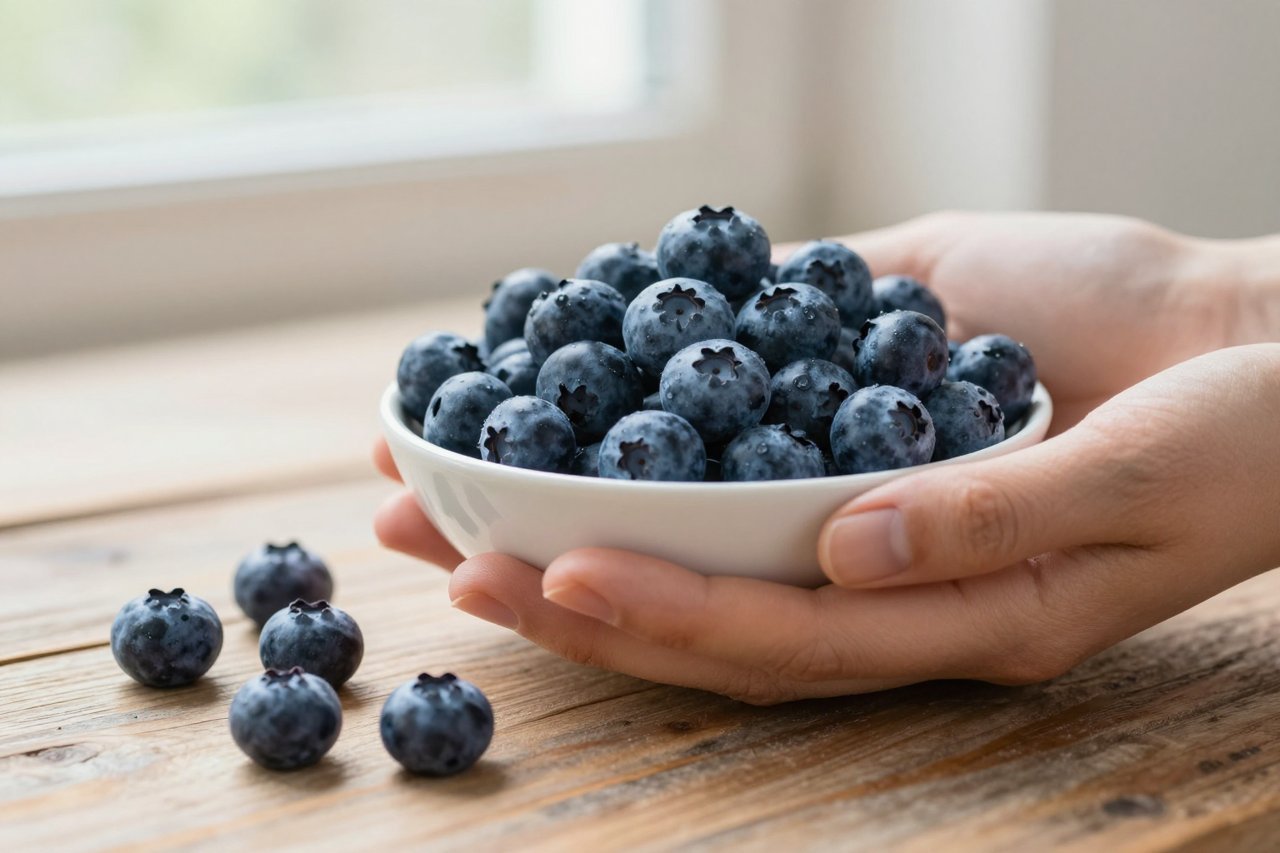
Blueberries have earned their reputation as a superfood, and it’s not just marketing hype. These small, deep-blue berries are packed with anthocyanins, the pigments that give them their color, along with fiber, vitamin C, and manganese. Over the past decade, a growing body of research has tied blueberries to improvements in heart health, memory, blood sugar control, and more. If you want the complete overview, we’ve put together a detailed guide to the 15 blueberry health benefits and uses. Here, we’ll focus on the most compelling findings and show you practical ways to eat more of this nutritious fruit.
What Exactly Is Inside a Blueberry?
A one-cup serving of fresh blueberries (about 148 grams) delivers only 84 calories, 3.6 grams of fiber, and 21 grams of carbohydrates. That same serving covers around 16% of your daily vitamin C needs and 24% of your manganese needs. You also get a modest amount of vitamin K, copper, and several B vitamins.
The real stars, though, are the polyphenols. Flavonoids, phenolic acids, and resveratrol all appear in meaningful amounts. According to the USDA, blueberries have one of the highest antioxidant capacities of common fruits, with an ORAC score of about 4,669 per 100 grams. While ORAC isn’t a perfect measure for humans, it gives you a sense of just how concentrated these compounds are.
The Top Health Benefits of Blueberries, Backed by Science
Blueberries’ antioxidant and anti-inflammatory properties influence multiple systems in the body. Here are the areas where the research is strongest.
1. Blueberries Support Heart Health
High blood pressure, high LDL cholesterol, and stiff arteries are major risk factors for heart disease. In a 2019 randomized controlled trial published in the American Journal of Clinical Nutrition, adults with metabolic syndrome who consumed one cup of blueberries per day for six months saw a significant improvement in blood vessel function and a reduction in LDL cholesterol.
Another study from the University of Maine found that middle-aged men who ate about half a cup of wild blueberries daily improved their flow-mediated dilation, a marker of endothelial function. The anthocyanins appear to trigger the release of nitric oxide, which relaxes blood vessels and improves circulation.
2. Blueberries Could Keep Your Brain Sharper
Oxidative stress is one of the main drivers of age-related cognitive decline. Blueberry anthocyanins have been shown to cross the blood-brain barrier and accumulate in the hippocampus, the area responsible for memory. In a University of Cincinnati study, older adults with mild cognitive impairment drank wild blueberry juice (about 230 ml) every day for 12 weeks. Compared to a placebo group, they performed significantly better on word association and memory recall tests.
Even younger people benefit. Researchers at the University of Exeter found that when healthy young adults ate 75 grams of blueberries with a meal, their reaction times improved during cognitive tasks. The effect seems to be cumulative, meaning regular intake might slow the rate of memory decline as you age.
3. Blueberries Help Regulate Blood Sugar
Despite their sweet taste, blueberries don’t cause a rapid sugar spike. In fact, they may actually help your body process glucose more efficiently. A study in the Journal of Nutrition showed that eating blueberries alongside a high-carb meal reduced the insulin response in overweight adults with insulin resistance.
The combination of fiber and anthocyanins slows digestion and improves insulin sensitivity at a cellular level. Observational research from the Harvard T.H. Chan School of Public Health followed over 75,000 adults for more than 20 years and found that those who consumed anthocyanin-rich fruits, including blueberries, had a significantly lower risk of developing type 2 diabetes. The study reported a 23% reduction in risk among people who ate two or more servings per week compared to those who ate none.
4. Blueberries Are Good for Your Gut
Your gut microbiome thrives on blueberries. The polyphenols that aren’t absorbed in the small intestine travel to the colon, where beneficial bacteria like Lactobacillus and Bifidobacterium ferment them. This process produces short-chain fatty acids that nourish gut cells and reduce inflammation.
A 2020 study in Nutrients gave participants 3.5 ounces of freeze-dried blueberries daily for two weeks. By the end, they had higher levels of beneficial bacteria and a more diverse microbiome. Plus, the 3.6 grams of fiber in a cup of blueberries acts as a prebiotic, helping keep your digestive system regular.
5. Blueberries May Slow Skin Aging
No food can completely reverse wrinkles, but blueberries offer meaningful skin protection. Vitamin C is crucial for collagen production, and a cup of blueberries provides about 16% of your daily requirement. The anthocyanins also help neutralize free radicals generated by UV exposure.
An Italian study tested a daily dose of blueberry extract equivalent to 1.5 cups of fresh berries. After 12 weeks, women saw a significant reduction in skin sagging and improved elasticity. That doesn’t mean you can skip sunscreen, but eating blueberries could be a helpful addition to your skincare routine.
Fresh Blueberries vs. Frozen: Which Is Better?
Frozen blueberries are just as good as fresh, sometimes even better. They’re typically picked at peak ripeness and flash-frozen within hours, locking in the polyphenols. A study from South Dakota State University found that frozen blueberries retained more anthocyanins than fresh berries that had been stored in the refrigerator for three days.
So if you can’t get local berries in season, the frozen aisle is a perfectly healthy option. Frozen wild blueberries are even higher in anthocyanins because the wild varieties are smaller and have a higher skin-to-flesh ratio. They also contain less water, which means they won’t water down your smoothie or batter.
5 Easy Ways to Add Blueberries to Your Day
Getting more blueberries doesn’t require elaborate recipes. Here are simple, delicious ways to include them in your diet.
- Make a blueberry smoothie. Blend half a cup of frozen blueberries with Greek yogurt, spinach, and unsweetened almond milk for a quick breakfast. But be careful about what else you add. Certain fruits can interfere with blueberry’s antioxidants. For example, bananas contain an enzyme that can break down anthocyanins. We explain the science in our article on why you shouldn’t add bananas to your smoothies.
- Swap out processed snacks. A bowl of blueberries makes an excellent low-calorie snack that satisfies sweet cravings without the sugar crash. If you’re looking for more ideas, check out our list of healthy snacks for weight loss and food craving control.
- Add them to oatmeal or overnight oats. A handful of blueberries provides natural sweetness and a fiber boost. Add them after cooking so they stay plump and juicy.
- Throw them into salads. Blueberries pair surprisingly well with goat cheese, walnuts, and a balsamic vinaigrette. They add a fruity burst that makes a side salad feel more satisfying.
- Make a quick blueberry chia jam. Mash one cup of blueberries with two tablespoons of chia seeds and a splash of orange juice. Let it sit for ten minutes, and you have a healthy spread for toast or pancakes.
Potential Side Effects and Precautions
Blueberries are safe for almost everyone, but they’re not completely without considerations. If you take a blood thinner like warfarin, keep an eye on your vitamin K intake. A cup of blueberries contains about 28.8 micrograms of vitamin K, and a sudden increase can interfere with the medication’s effectiveness.
Blueberry allergies are rare but possible. They typically show up as mouth itching, hives, or digestive discomfort. If you’ve had reactions to other berries, you should be cautious.
Blueberries also contain moderate amounts of oxalate. If you have a history of calcium oxalate kidney stones, you may want to limit your portion size. The oxalate content is lower than in spinach or rhubarb, but it’s still present.
A Simple Swap With a Big Payoff
The next time you reach for a handful of biscuits, consider a cup of blueberries instead. You’ll save around 200 calories and gain a substantial serving of fiber and polyphenols. The research keeps accumulating, and the picture is consistent: blueberries support your heart, brain, and gut. You don’t need to combine them into elaborate recipes or buy exotic supplements. Just eat them regularly, fresh or frozen, and let the small berry do its work.
