 1-800-656-4211




Blog
Collagen Supplement for Skin: What Actually Works, What Doesn’t, and How to Tell the Difference

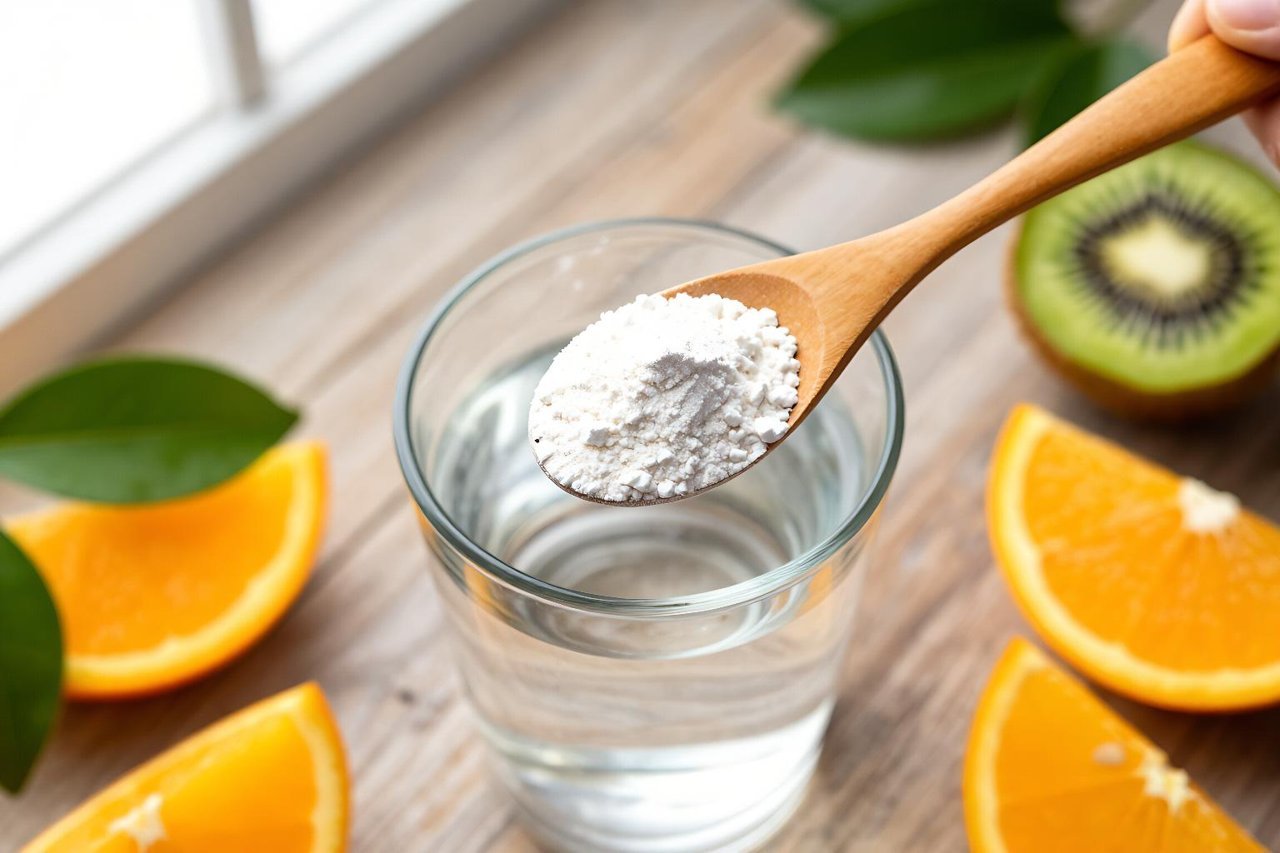
Walk into any supplement aisle and you’ll see rows of jars promising the same thing: firmer, smoother, younger-looking skin. Collagen is the ingredient behind most of those claims. But after years of conflicting studies, the question still sits in the back of your mind: does a collagen supplement for skin actually work, or is it just another beauty fad?
Here’s what I’ve found after digging through the research, talking to dermatologists, and test-driving more than a dozen products. You’ll learn what really happens when you take collagen, how to pick the right type, and why one of the most important factors has nothing to do with the supplement itself.
What Collagen Does in Your Skin (Without the Marketing Fluff)
Collagen is the most abundant protein in your body. In your skin, it sits in the dermis, where it forms a structural mesh that gives skin its firmness, bounce, and shape. Think of it as the mattress springs underneath the surface. When you’re young, that mesh is dense and organized. As you age, production slows down, and the springs start to sag and break.
Starting around age 25, your natural collagen production drops by roughly 1% to 2% every year. That might not sound like much, but over a decade, it’s enough to change how your skin looks. Add sun exposure, smoking, and a diet low in protein, and the decline speeds up. The logic behind taking a collagen supplement for skin is simple: give your body the building blocks it needs so it can keep producing collagen, even when it starts slowing down.
Does a Collagen Supplement for Skin Actually Work? The Evidence
What the clinical studies show
Several clinical trials have looked at oral collagen over the past 15 years. Most use between 2.5 and 15 grams daily of hydrolyzed collagen peptides. The largest meta-analysis, published in 2021, pooled data from 19 studies and more than 1,100 participants. The verdict: compared to a placebo, collagen supplements significantly improved skin elasticity, hydration, and wrinkles after 8 to 12 weeks. The effects were modest, but they were real.
That doesn’t mean every collagen product will work. The studies used specific peptides that are hydrolyzed, meaning they’re broken down into short chains of amino acids that your body can absorb quickly. The dose matters, too. Too little, and you’re unlikely to see a difference.
How long until you see results?
Skin cells turn over slowly, so don’t expect overnight changes. Most studies report visible improvements in hydration after 4 to 8 weeks, with elasticity and wrinkle depth improving around the 12-week mark. That aligns with the natural time it takes for new collagen to bind to the existing matrix.
One study from Japan measured skin hydration after 8 weeks of a 10-gram daily dose. The collagen group showed a 28% increase in hydration compared to placebo. Participants also reported that their skin felt bouncier and looked smoother in photos.
Of course, individual results vary. Your baseline matters: if you have significant sun damage or you’re in your 50s, you might notice less than a 30-year-old who just wants to maintain elasticity. Collagen isn’t a miracle eraser; it’s a maintenance tool.
How to Choose a Collagen Supplement for Skin That Isn’t Wasting Your Money
Not all collagen is equal. The type of collagen and how it’s processed determines whether you’ll get results. Here’s what to look for on the label:
- Hydrolyzed collagen peptides (also called collagen peptides): these are broken down enough to absorb through your digestive tract. Avoid powders that say “collagen” without “hydrolyzed” or “peptides.”
- Type I and III collagen: these are the main types found in skin and bones. Look for a product that specifies these, not just “marine collagen” or “bovine collagen.”
- Dose: aim for at least 10 grams per day for skin benefits. Some products contain only 2-3 grams, which is too low.
- Third-party testing: check if the brand has a certificate of analysis (COA) or is verified by NSF or Informed Sport.
For my own test, I used a hydrolyzed marine collagen powder with 10 grams per serving. Marine collagen comes from fish skin and scales, and it’s high in Type I collagen. It also has a smaller peptide size than beef collagen, which some research suggests makes it more absorbable. I mixed it into my morning tea after reading that vitamin C enhances collagen peptide absorption. If you’re considering a vitamin C booster on top, check out this deep dive into which vitamin C supplements actually work.
How to Maximize Results: Collagen and Your Lifestyle
Your body can make collagen only if it has the raw materials. When you take a collagen supplement, you’re providing amino acids like glycine, proline, and hydroxyproline. But your body also needs vitamin C to actually build new collagen strands. Skipping vitamin C is like having all the bricks and no mortar.
You can get vitamin C from citrus fruits, but there’s also emerging research that certain fruits and plant extracts boost your skin’s own collagen production. Sea buckthorn, for example, is packed with vitamin C and omega-7 fatty acids, both of which support skin barrier function. If you’re exploring sea buckthorn benefits, you’ll find a few extra reasons to add it to your routine.
Likewise, zinc is essential for collagen synthesis and skin repair. One of the easiest food sources is pumpkin seeds; just a handful gives you a solid chunk of your daily zinc. The benefits of pumpkin seeds go beyond skin, but it’s a bonus if you’re trying to eat your way to a better complexion.
And don’t forget about whole fruits. Dragon fruit is packed with vitamin C and antioxidants, and it’s a fun addition to a collagen smoothie. You can read more about dragon fruit’s health benefits if you want another reason to blend it in.
You can also slow down collagen destruction by limiting sugar and UV exposure. Sugar creates advanced glycation end products (AGEs) that stiffen collagen. Sun exposure triggers an enzyme called MMP-1 that literally breaks it down. A sunscreen habit does more for your collagen levels than any powder.
Who Should Actually Take a Collagen Supplement for Skin? (And Who Can Skip It)
Collagen supplements are generally safe for healthy adults. The most common side effect is a mild feeling of fullness, especially with high doses. If you’re on a marine-based supplement and have a fish allergy, obviously skip it.
Who benefits the most?
- People over 35 who are noticing fine lines and loss of elasticity
- Athletes and active people who want joint and skin support at the same time
- People on plant-based diets who are low in meat, because collagen is an animal-derived protein
Who can skip it?
- If you’re under 25 with no skin concerns, you probably don’t need it yet
- If you don’t get enough protein overall, eating more protein will help more than any supplement
- If you’re vegan or vegetarian, marine collagen isn’t an option, but there are vegan alternatives like silicate which stimulate your own collagen, though with less direct evidence
How to Take a Collagen Supplement for Best Results
Timing and method matter more than most people think. Here are the practical rules that work.
- Take it on an empty stomach or with a small meal. Some research suggests that taking collagen with high doses of protein powders can slow absorption, but the evidence is thin. I personally take it in the morning with water.
- Combine it with vitamin C. Whether you eat an orange with it or mix it into a smoothie with kiwi, this simple step enhances the effect.
- Be consistent for at least 12 weeks. Skipping days here and there won’t give you a full chance to see whether it works.
- Consider cycling? There’s no evidence that you need to. Collagen is a normal protein, and your body breaks it down and reuses it like any other.
One small tip: store powders in a cool, dry place. Hydrolyzed collagen is stable for up to two years, but exposure to heat and humidity can break it down over time.
And if you decide to mix it into your coffee, do it after the coffee has cooled a little. Very hot liquid can denature some of the peptides, making them less effective. It’s not a complete loss, but you want them to stay intact.
