 1-800-656-4211




Blog
Fiber Supplements for Constipation: What Actually Works

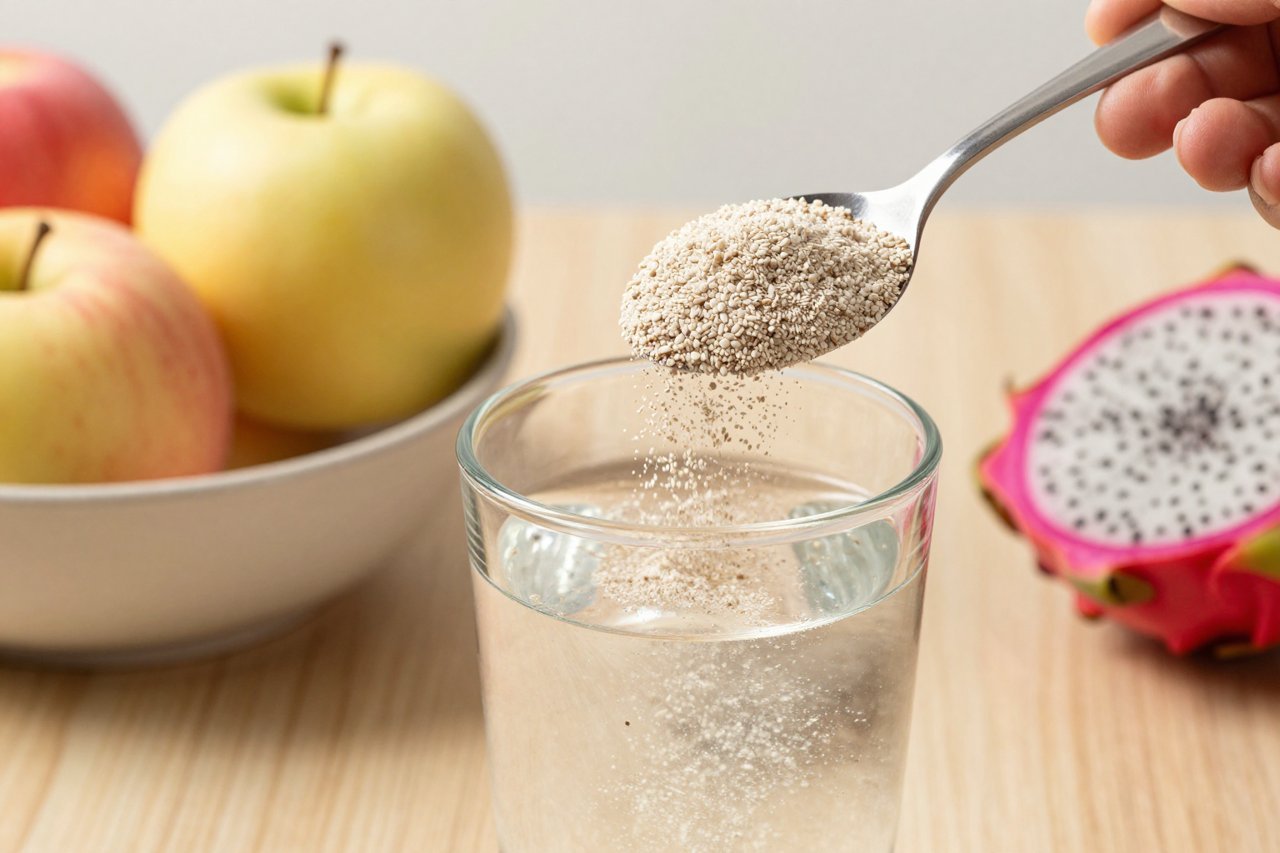
Constipation can make you feel heavy, uncomfortable, and just plain miserable. You’ve probably heard that adding a fiber supplement can help get things moving again. But with shelves full of powders, capsules, and gummies all promising relief, how do you know which one is right for you?
Fiber supplements aren’t one-size-fits-all. Different types work in different ways. The best choice depends on your specific symptoms, sensitivities, and lifestyle. Let’s break down what actually works.
How Fiber Helps Constipation
Fiber is the indigestible part of plant foods that travels through your digestive tract mostly intact. It plays a key role in keeping your bowel movements regular.
There are two main types of fiber, and they do different things.
- Soluble fiber dissolves in water, forming a gel that softens stool and makes it easier to pass. It also feeds beneficial gut bacteria.
- Insoluble fiber adds bulk to stool and helps food move through your intestines faster.
Both types can help with constipation, but most supplements rely primarily on soluble fiber because it’s gentler and more effective for chronic issues.
Why Soluble Fiber Is the MVP
Soluble fiber attracts water into your stool, keeping it soft and bulky. This triggers the natural muscle contractions that push waste through your colon. If you’re dehydrated or don’t drink enough fluids, a fiber supplement can actually make constipation worse, so hydration is non-negotiable.
You’ll find soluble fiber in oats, barley, nuts, seeds, and fruits like dragon fruit. If you’re curious about how this tropical fruit can support regularity, the dragon fruit benefits for digestion are worth a look.
Choosing the Right Fiber Supplement
Once you understand how fiber works, you can decide which type of supplement fits your needs. Here are the most common options.
Psyllium Husk
Psyllium comes from the husks of Plantago ovata seeds. It’s one of the best-studied fiber supplements and a solid first choice. It’s a soluble fiber that forms a gel, softening stool and increasing stool frequency.
In a 2018 review published in the World Journal of Gastroenterology, psyllium relieved constipation and improved stool consistency in people with chronic issues. It also has a mild prebiotic effect, feeding good bacteria in your gut.
You’ll find psyllium in powders like Metamucil, but you can also buy plain husk powder. Start with half a teaspoon, then work your way up. Mix it into water or juice and drink it immediately, before it gels.
Methylcellulose
Methylcellulose is a semi-synthetic compound made from plant cellulose. It works like psyllium, drawing water into stool, but because it isn’t fermented by gut bacteria, it causes less gas and bloating. That makes it a great option if you’re sensitive to psyllium or prone to cramping.
Brands like Citrucel use methylcellulose. It comes as a powder or caplets. As with all fiber supplements, start slow and increase gradually.
Polycarbophil
Polycarbophil is another synthetic fiber that acts like a sponge, absorbing water to form soft, bulky stool. It’s often sold under the brand name FiberCon. Since it doesn’t ferment in the colon, it’s less likely to produce gas.
You can take it as a pill or chewable tablet, which is convenient if you travel or dislike mixing powders. Just drink a full glass of water with each dose. Without enough water, polycarbophil can actually slow things down.
Inulin and Other Prebiotic Fibers
Inulin is a soluble fiber found naturally in chicory root, onions, and garlic. It’s a prebiotic, feeding the beneficial bacteria in your colon. This can improve gut health overall, which may indirectly ease constipation.
However, inulin can cause significant gas and bloating in some people, especially if you have IBS or sensitivities to fermentable carbohydrates. If you try it, start with a very small dose. Some products blend inulin with other fibers to balance its effects.
Before you choose, it helps to remember that fiber comes in many forms. Some people prefer the convenience of a powder, while others want to get fiber from whole foods. If you’re open to incorporating more fruit into your diet, dragon fruit is a nutrient-dense option. You can learn more about its effects in this overview of dragon fruit benefits.
What to Look For in a Fiber Supplement
Before you buy, consider these factors:
- Form: Powders let you adjust the dose, but capsules are more convenient. Think about your daily routine.
- Ingredients: Avoid artificial sweeteners, colors, and added sugars. The shorter the ingredient list, the better.
- Gas production: Methylcellulose and polycarbophil are less likely to cause bloating than psyllium or inulin.
- Taste: Some powders taste chalky. You can mix them into smoothies or oatmeal to make them more palatable.
- Cost: Generic brands are often just as effective as name brands. Compare prices per serving.
How to Take Fiber Supplements for Best Results
Choosing the right product is only half the battle. How you use it matters just as much.
Start Slow and Increase Gradually
Start with half the recommended dose for the first week or two. Your gut needs time to adjust, and going all in at full dose is a fast track to bloating and discomfort. After week one, add a little more every few days until you reach the desired effect.
Stay Hydrated
This is the #1 mistake people make. Fiber works by pulling water into your stool, so you need extra fluids. Aim for at least eight glasses of water a day, maybe more if you exercise or live in a hot climate. Without water, fiber can make constipation worse.
Take It at the Same Time Each Day
Consistency is key. Many people find that taking fiber with breakfast helps establish a morning bathroom routine. Others prefer evening. Pick a time that fits your schedule and stick with it.
Don’t Expect Instant Results
Fiber isn’t a quick fix. It can take several days to notice a change. If you’re severely constipated, you may need a small amount of a stool softener temporarily, but that’s something to discuss with your doctor.
Don’t Forget Real Food
Supplements are convenient, but they’re not a replacement for a fiber-rich diet. Whole plant foods give you a mix of both soluble and insoluble fiber, along with vitamins, minerals, and antioxidants that a supplement can’t fully replicate.
Here are some of the best natural sources:
- Fruits: apples, pears, berries, and tropical fruits like dragon fruit, which has both fiber and water content.
- Vegetables: broccoli, Brussels sprouts, carrots, and sweet potatoes.
- Legumes: beans, lentils, chickpeas, and peas.
- Whole grains: oats, quinoa, brown rice, and barley.
If you want to diversify your fruit arsenal, this detailed guide to dragon fruit benefits explains how it stacks up nutritionally and why it might help with regularity. It’s especially useful if you’re bored with apples and bananas.
When to See a Doctor
While fiber supplements can help many people, constipation can sometimes be a sign of a more serious condition. If you experience any of the following, make an appointment with your doctor before relying on supplements:
- Constipation lasting more than three weeks, despite dietary changes.
- Blood in your stool or in the toilet bowl.
- Severe abdominal pain that doesn’t go away.
- Unexplained weight loss.
- A sudden change in bowel habits if you’re over 50.
- A family history of colon cancer.
Fiber supplements are a useful tool, but they’re not a substitute for medical advice. If your symptoms are persistent or alarming, get checked out.
