1-800-656-4211




Blog
What Will It Take to Get Young People to Stop Tanning (Again)?

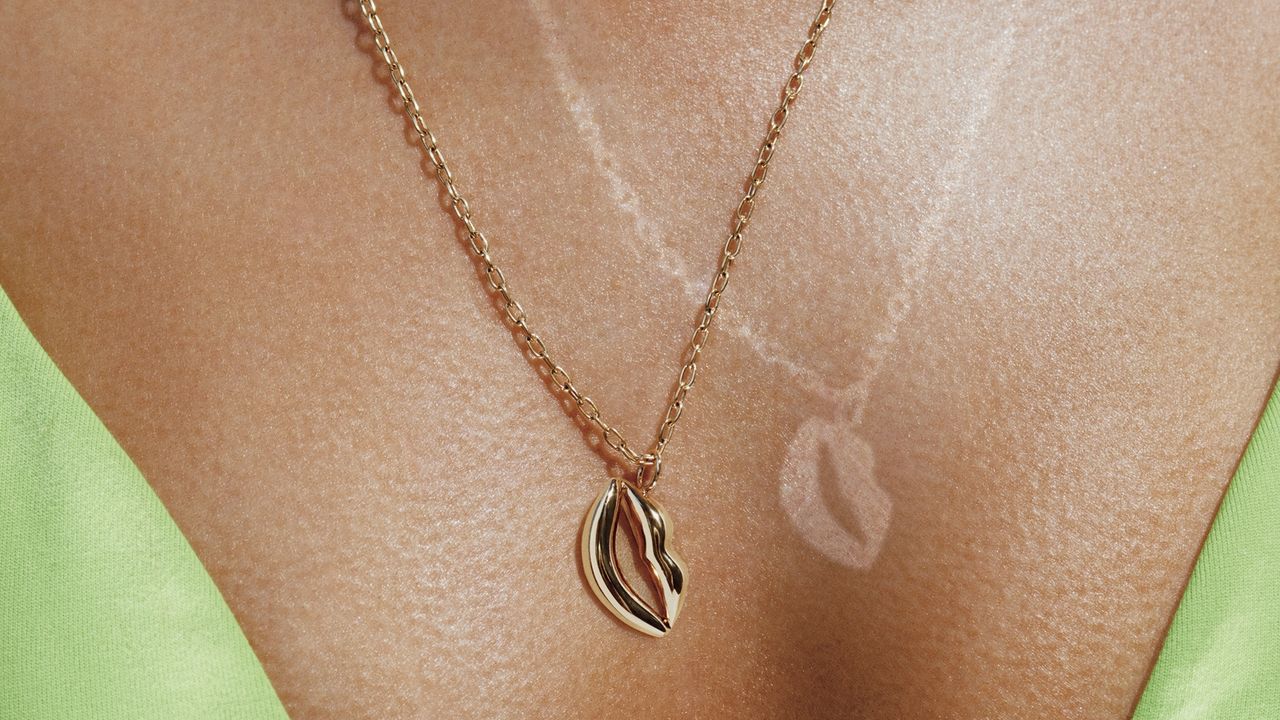
The fact is that melanoma—the deadliest form of skin cancer—is on the rise, with cases estimated to be up to 10.6% higher in 2026 than in 2025, according to an American Cancer Society report. Some of this rise is due to better and earlier detection, but it’s also the result of my millennial generation of tanning bed users now confronting the reality of that youthful habit.
“The things that we hear that are concerning are that, ‘It’s just skin cancer,’” says Alicia Walker Rowell, vice president of AIM at Melanoma, a nonprofit dedicated to spreading awareness of and finding a cure for melanoma. “The related skin cancers, basal and squamous cell, are really concerning too. They may not have as high a death rate as melanoma, but basal can be disfiguring and painful, and squamous can be a killer as well.” Rowell notes that the government doesn’t currently track squamous and basal cell cancers, so estimates are often educated guesses regarding the number of cases.
Perhaps some of the blame lies not with individuals themselves, but with the government. Tanning education is certainly not a priority of the current U.S. Department of Health. In fact, it doesn’t seem like they care at all about the potentially deadly impacts of sun exposure, much like they don’t care about the resurgence of measles. After all, the health secretary uses tanning beds himself, and the Big Beautiful Bill included a repeal of the 10% tanning tax imposed on tanning salons under Obamacare. Over the last decade or so, many states implemented laws banning minors from using tanning beds due to the (very) high risk of skin cancer, but the FDA just pulled a proposal to make this a nationwide ban. In my youth, anti-smoking initiatives were everywhere, including on TV and in the classroom, but tanning has never gotten the same attention. If no one is actively trying to stop this harmful behavior, then it will likely continue.
And what about those former indoor tanners? Dr. Geraghty sees them today, and they “regret it deeply,” she says. “They’re very concerned about their risk of skin cancer. They see lines, spots, wrinkles, dyspigmentation, skin laxity, and crepey areas that they desperately wish they could reverse—and they often cannot.” Sure, younger tanners may not see those things today, but as a millennial with a generous smattering of sunspots across her chest, I can attest that they will soon.
Brittanny Groover, 32, grew up tanning, even visiting tanning salons with her mom as a bonding activity. (This is a common anecdote for many millennial women, myself included, whose first exposure to tanning began with their mothers.) She was diagnosed with stage 3 melanoma at 27 and underwent a year of immunotherapy treatment, which meant visiting a clinic for four hours every three weeks to get blood testing and Keytruda infusions via IV. The life-saving medication came with uncomfortable side effects, including rashes “randomly all over my body” and colitis, or inflammation of the colon. “Colitis was the worst,” Groover says, noting that she had abdominal symptoms for six months before it was diagnosed. “I lost about 20 pounds and ended up with pancreatitis before it was caught.” Today, she is five years cancer-free.