1-800-656-4211



Blog
Scientists discover skincare compound that kills drug-resistant bacteria

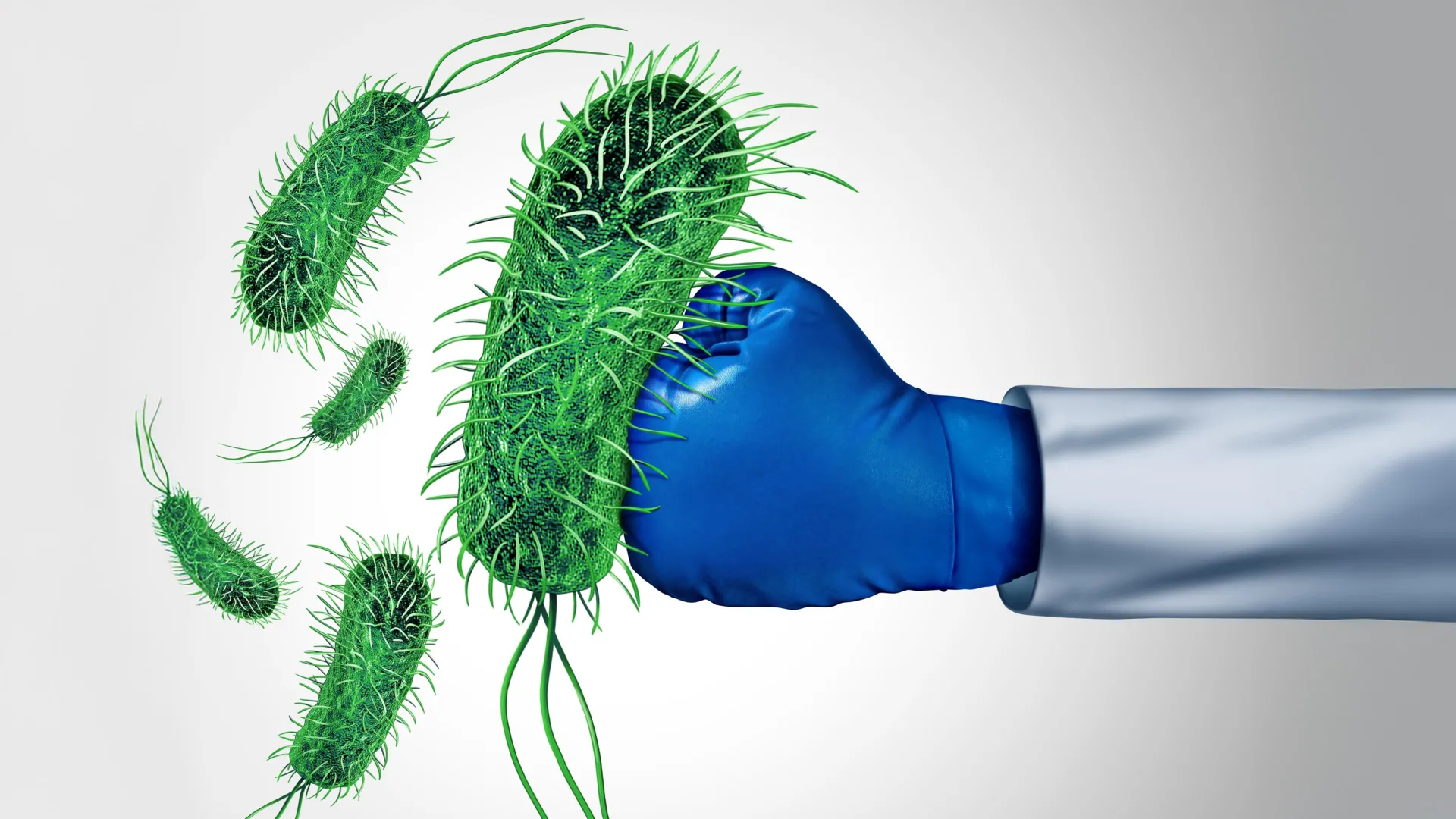
Madecassic acid is widely known in Korean skincare as a calming “hero ingredient,” but new research suggests it may have a much bigger role to play. Scientists at the University of Kent have found that this plant-derived compound could help fight antibiotic-resistant bacteria, one of the most pressing global health threats.
Working with colleagues at University College London (UCL), researchers combined computer-based screening with laboratory experiments to study madecassic acid. This natural chemical comes from Centella asiatica, a commonly used Asian medicinal herb. Their results show that the compound has strong antibacterial properties and could serve as a starting point for new drug development.
These findings come at a critical time. Drug-resistant infections are becoming harder to treat, and experts estimate that antimicrobial resistance could lead to 39 million deaths between 2025 and 2050. Developing new antibiotics is expensive and slow, so identifying promising compounds from natural sources is an important step forward. The study highlights how modern techniques can unlock the medical potential of plant-based chemicals.
How Madecassic Acid Targets Dangerous Bacteria
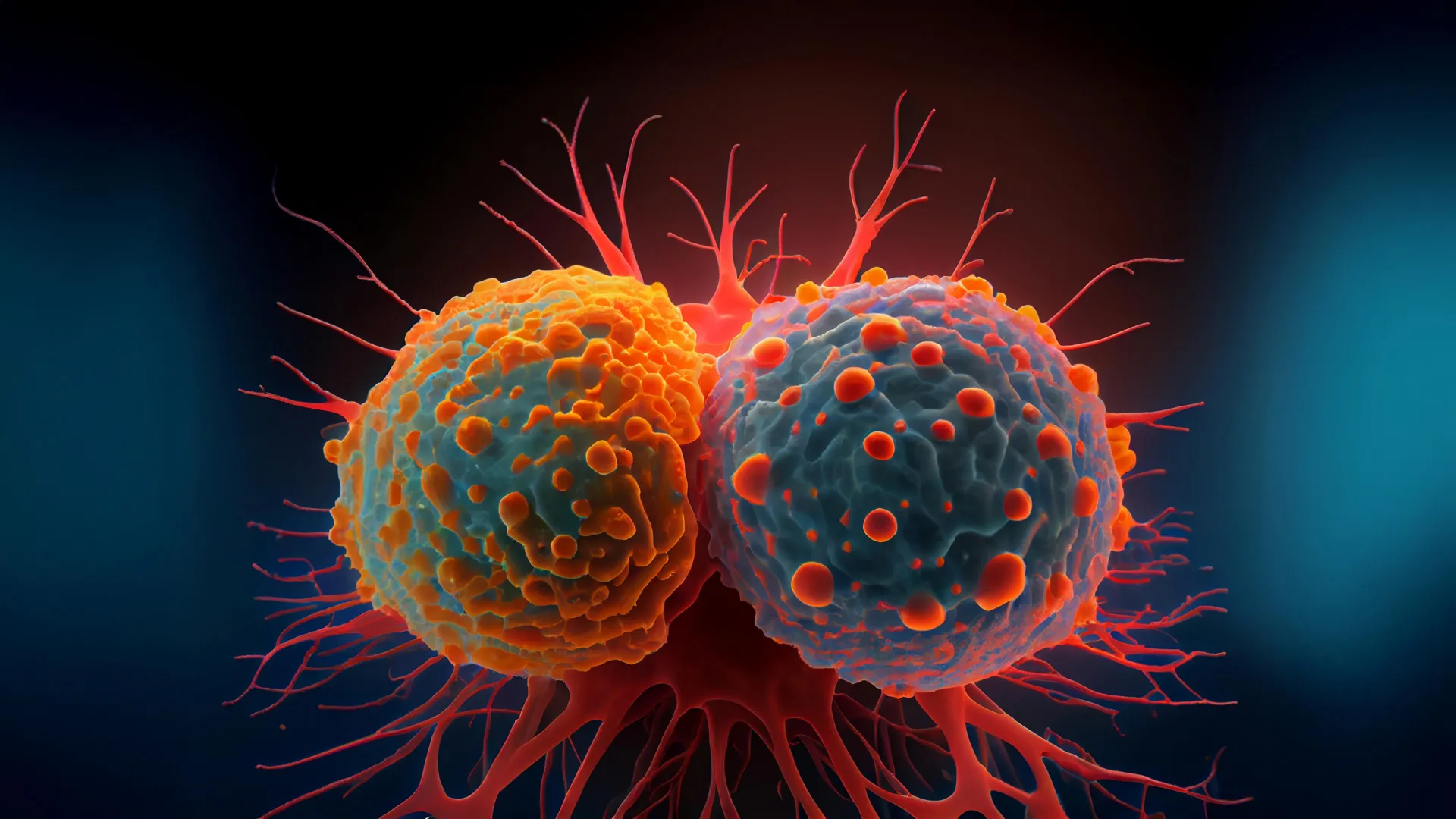
The research, published in RSC Medicinal Chemistry, found that madecassic acid can stop antibiotic-resistant E. coli from growing. The compound works by binding to the cytochrome bd complex, a protein system that bacteria rely on for respiration and survival during infection. This system is not present in humans or animals, making it an attractive target for new treatments.
By interfering with this process, madecassic acid disrupts the bacteria’s ability to function normally. This suggests it could be developed into an alternative antimicrobial that works differently from existing antibiotics.
Modified Versions Show Even Stronger Effects
Another key advantage of madecassic acid is that its chemical structure can be altered. Researchers extracted the compound from a plant sample in Vietnam and created three modified versions. Each of these variants successfully blocked the cytochrome bd complex and halted bacterial growth. One version was even able to kill E. coli at higher concentrations.
Scientists plan to continue refining these compounds to improve their effectiveness and explore their potential as future medicines.
Potential Impact on Skincare and Skin Microbiome
Beyond its medical promise, the findings may also shed light on how madecassic acid affects the skin’s natural bacteria when used in skincare products. This could help researchers better understand its broader biological effects.
Lead author Dr. Mark Shepherd, Reader in Microbial Biochemistry at Kent said: “Plants have been a source of natural medicines for millennia, and now contemporary research approaches can reveal the mechanisms of action. This is an exciting time, and we hope to further our understanding of natural antimicrobials from plants, nature’s great chemical factories.”